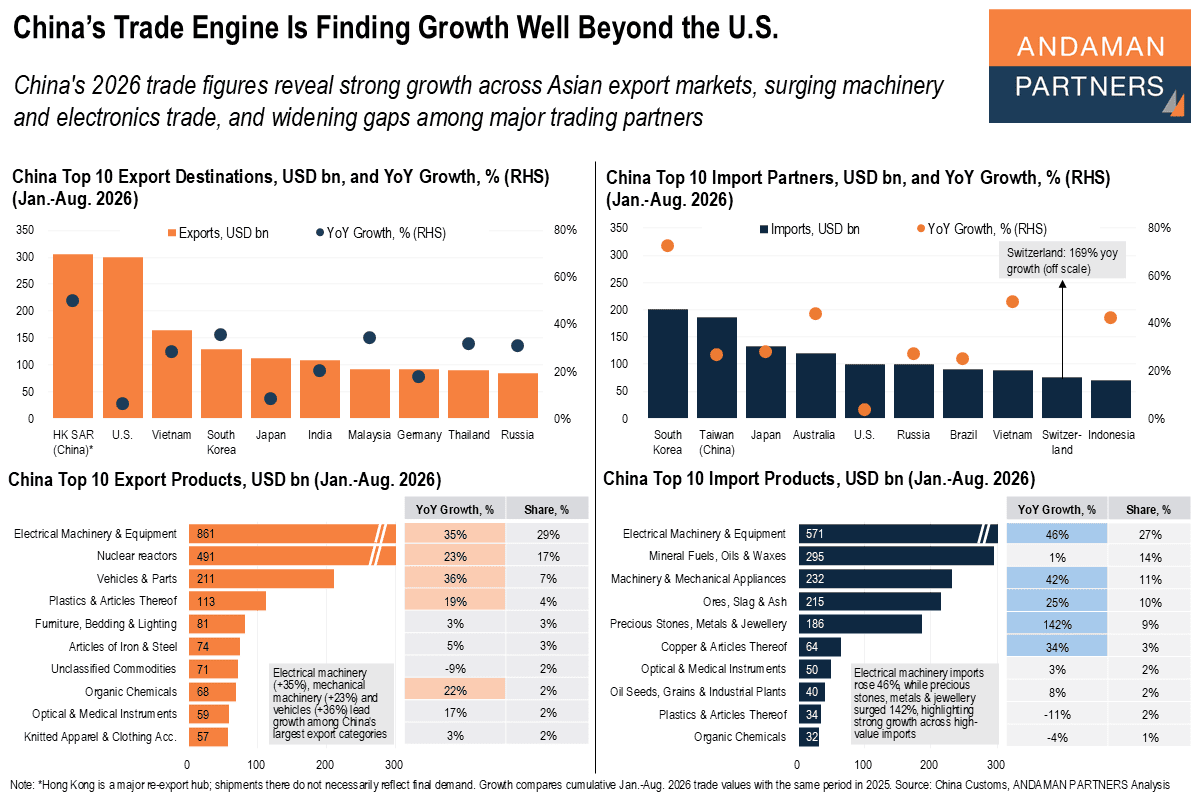
China’s Trade Engine Is Finding Growth Well Beyond the U.S.
China's 2026 trade figures reveal strong growth across Asian export markets and surging machinery and electronics trade

China's 2026 trade figures reveal strong growth across Asian export markets and surging machinery and electronics trade
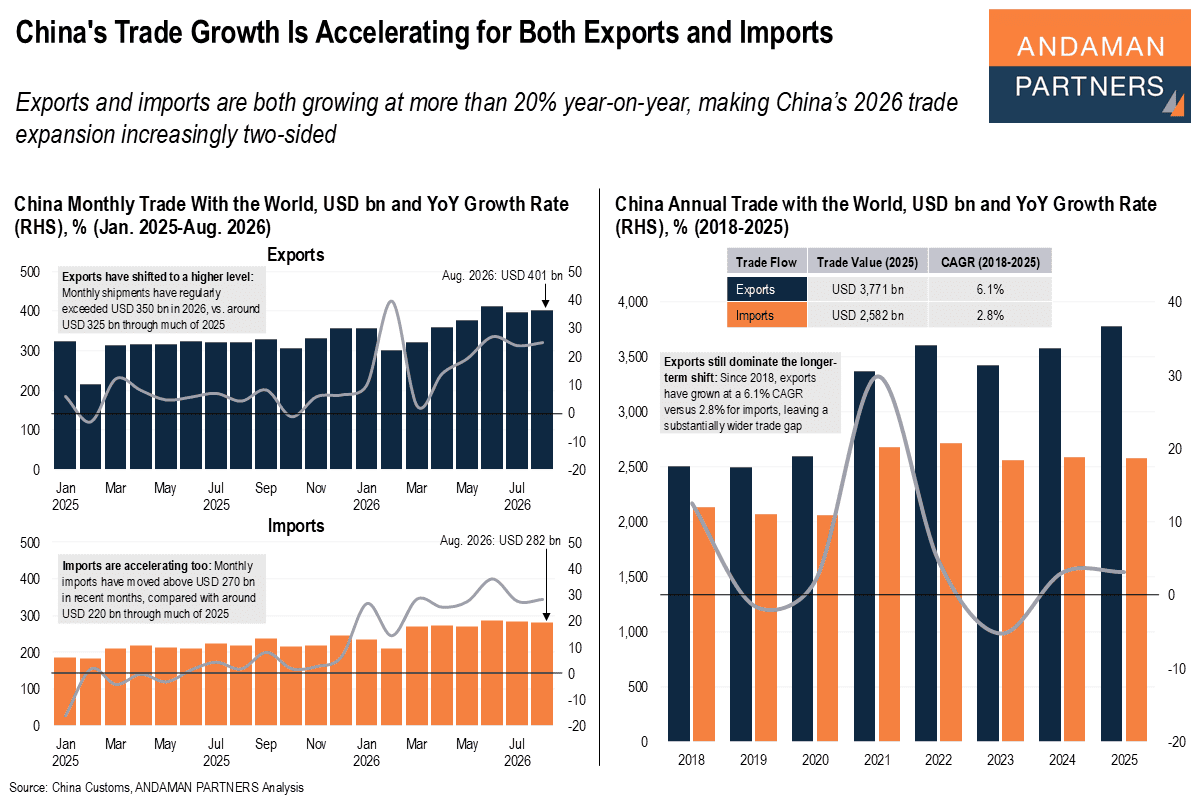
Exports and imports are both growing at more than 20% year-on-year, making China’s 2026 trade expansion increasingly two-sided
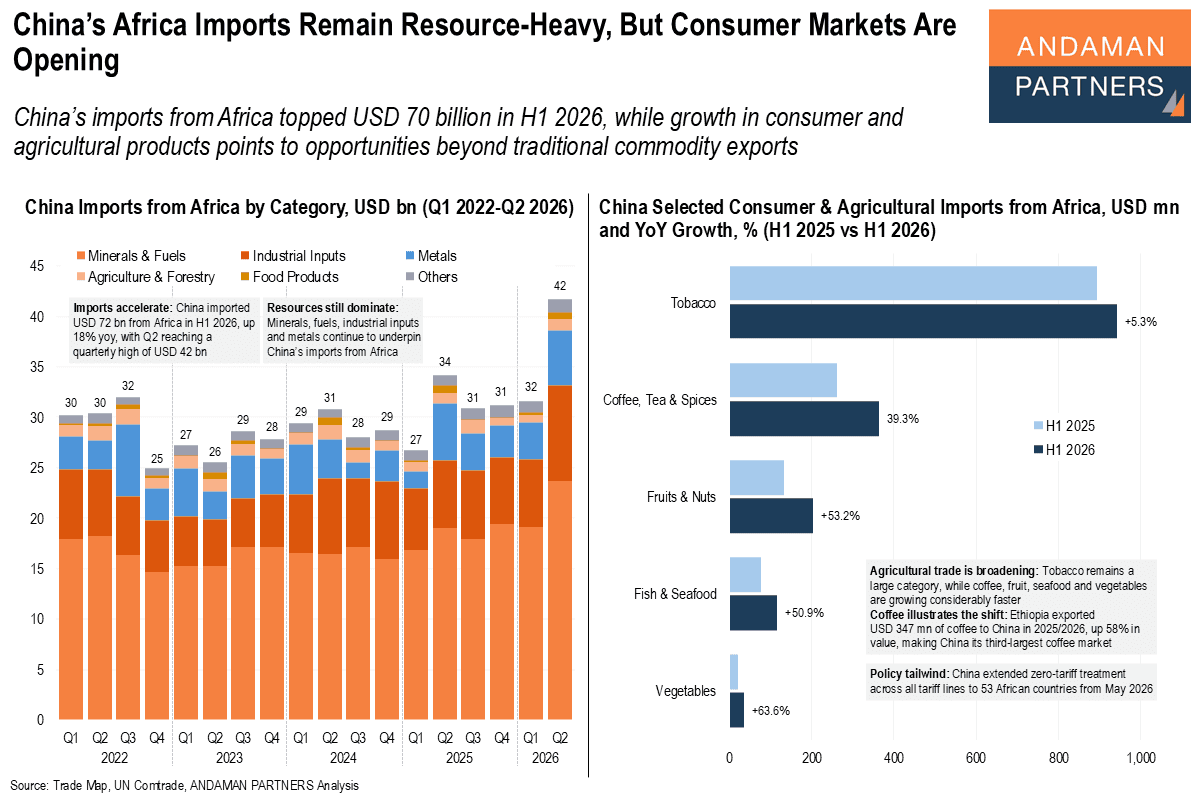
China’s imports from Africa topped USD 70 billion in H1 2026, while consumer and agricultural products point to new opportunities for growth
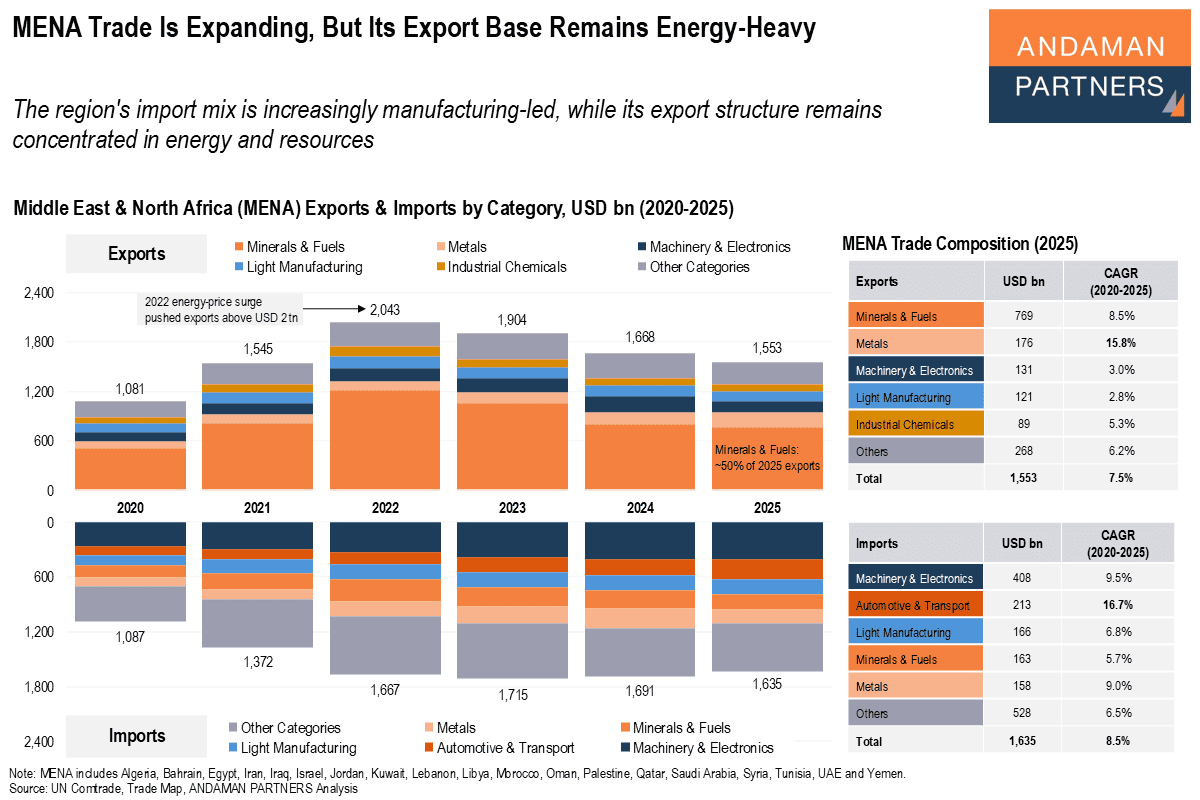
The region's import mix is increasingly manufacturing-led, while its export structure remains concentrated in energy and resources.
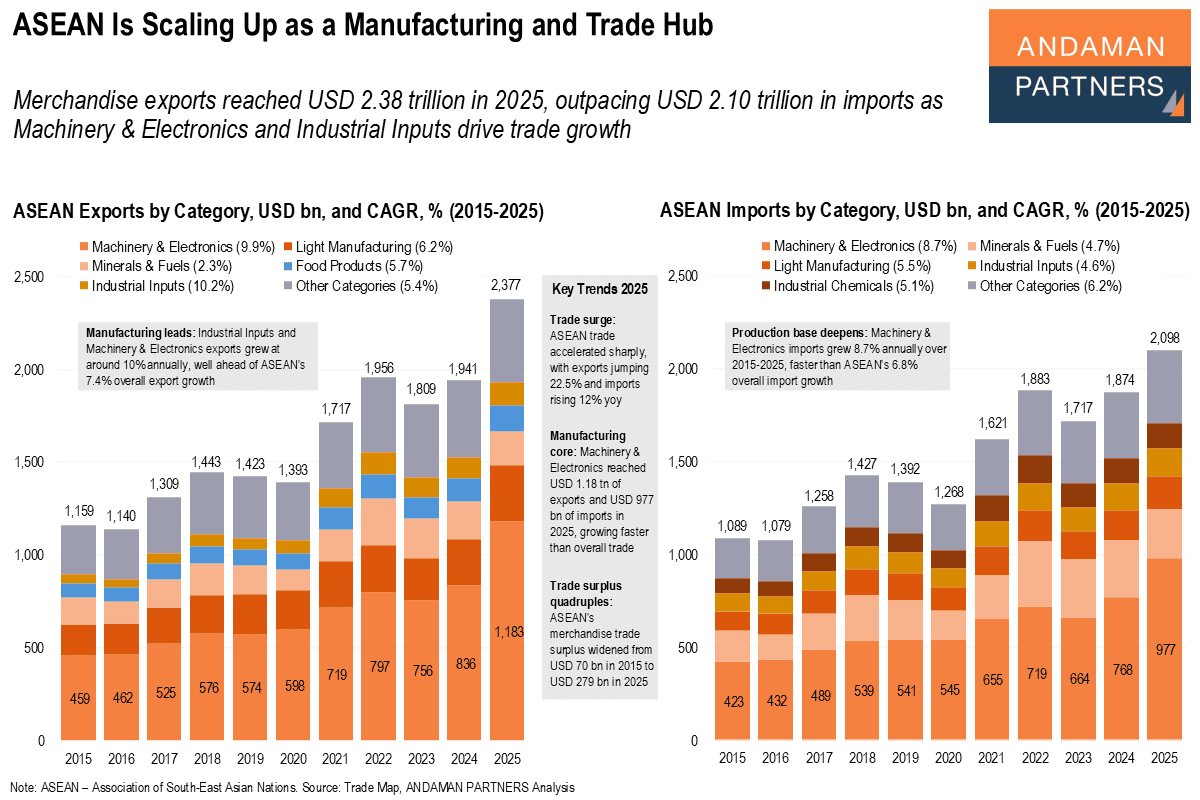
Merchandise exports reached USD 2.38 trillion in 2025, outpacing USD 2.10 trillion in imports
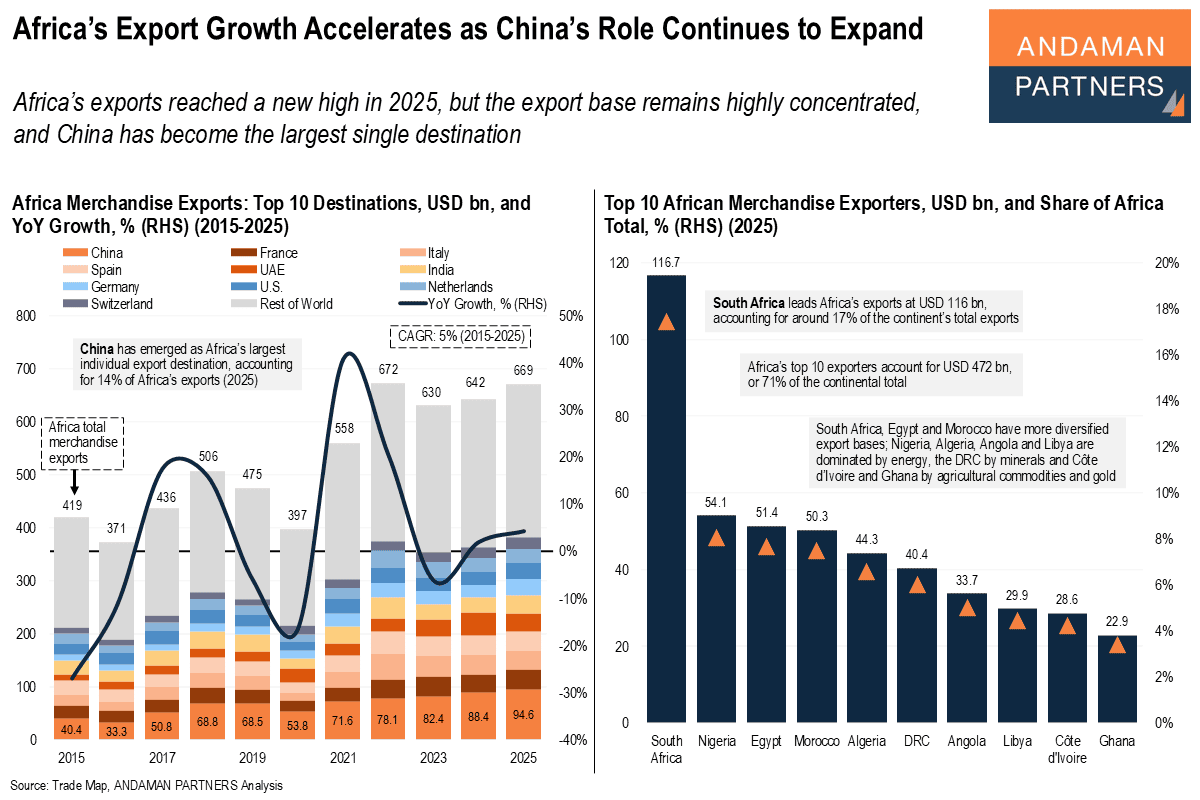
Africa’s exports reached a new high in 2025, but the export base remains highly concentrated, and China has become the largest single destination
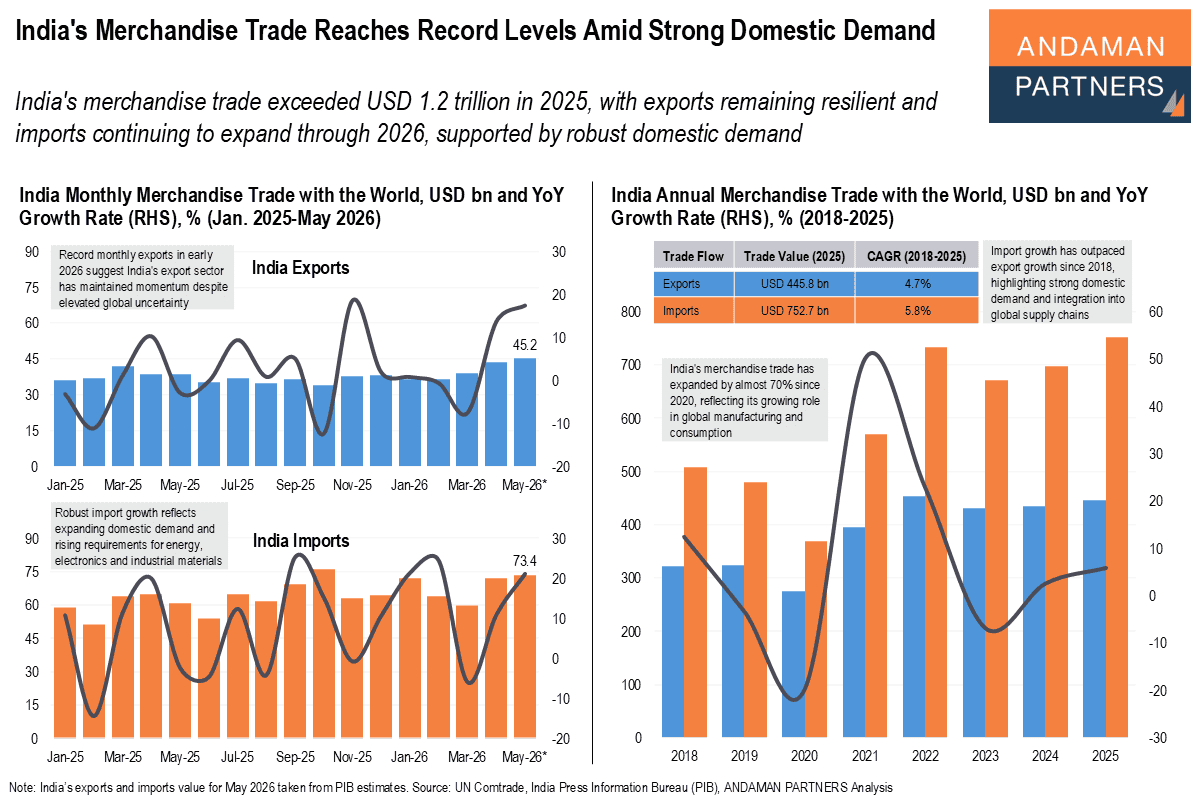
India's merchandise trade exceeded USD 1.2 trillion in 2025, with exports remaining resilient and imports continuing to expand through 2026
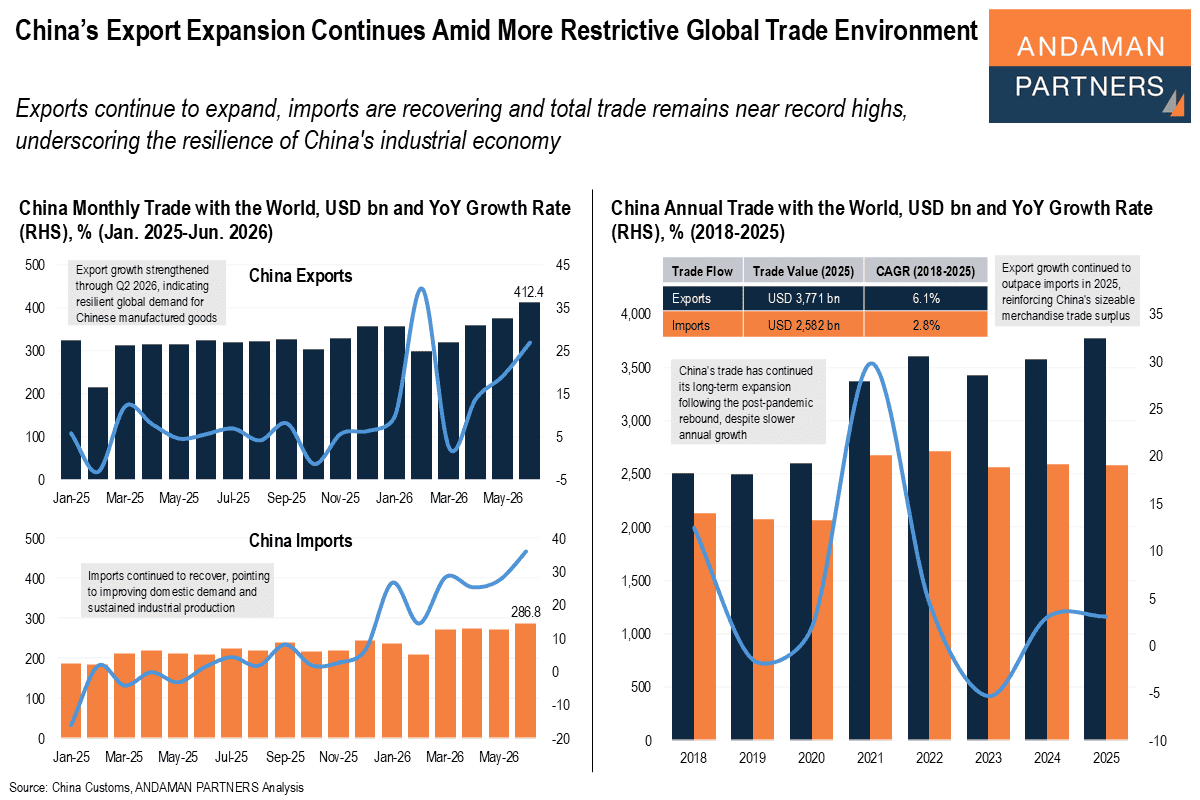
Exports continue to expand, imports are recovering and total trade remains near record highs
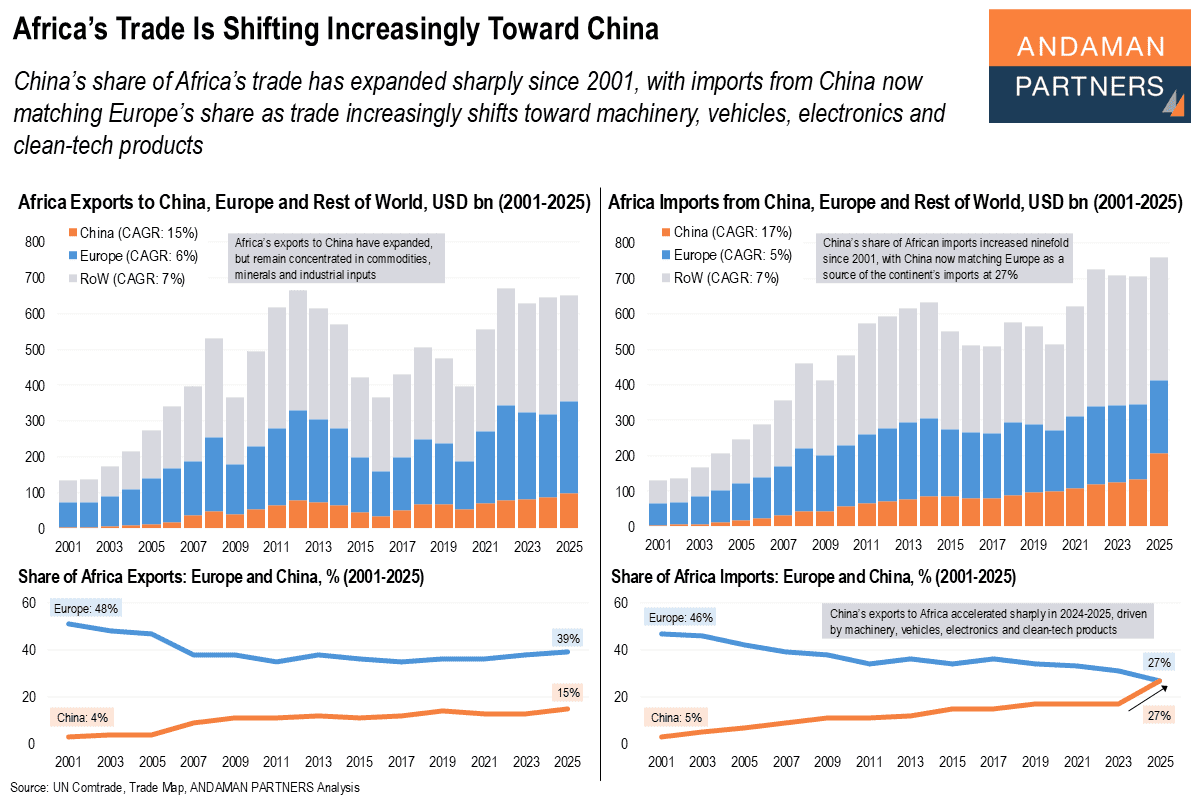
China’s share of Africa’s trade has expanded sharply since 2001, with imports from China now matching Europe’s share
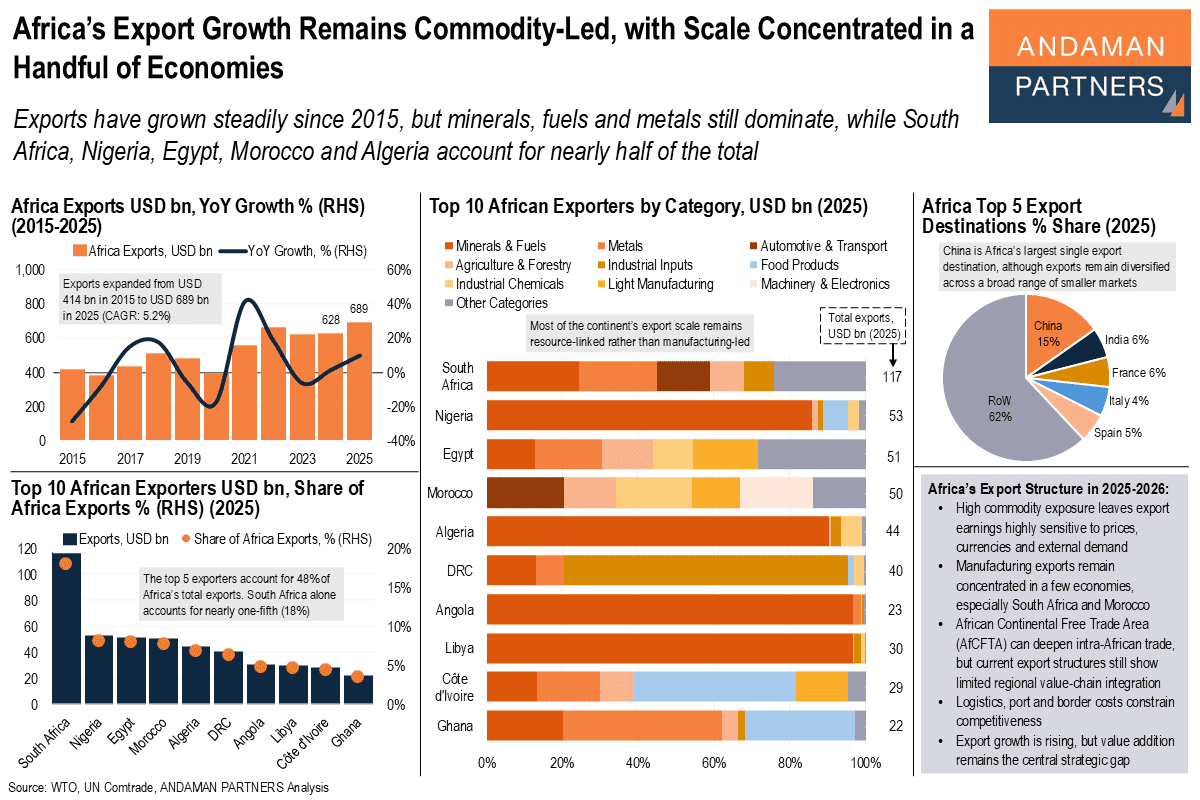
Exports have grown steadily since 2015, but minerals, fuels and metals still dominate, while five countries account for half of the total