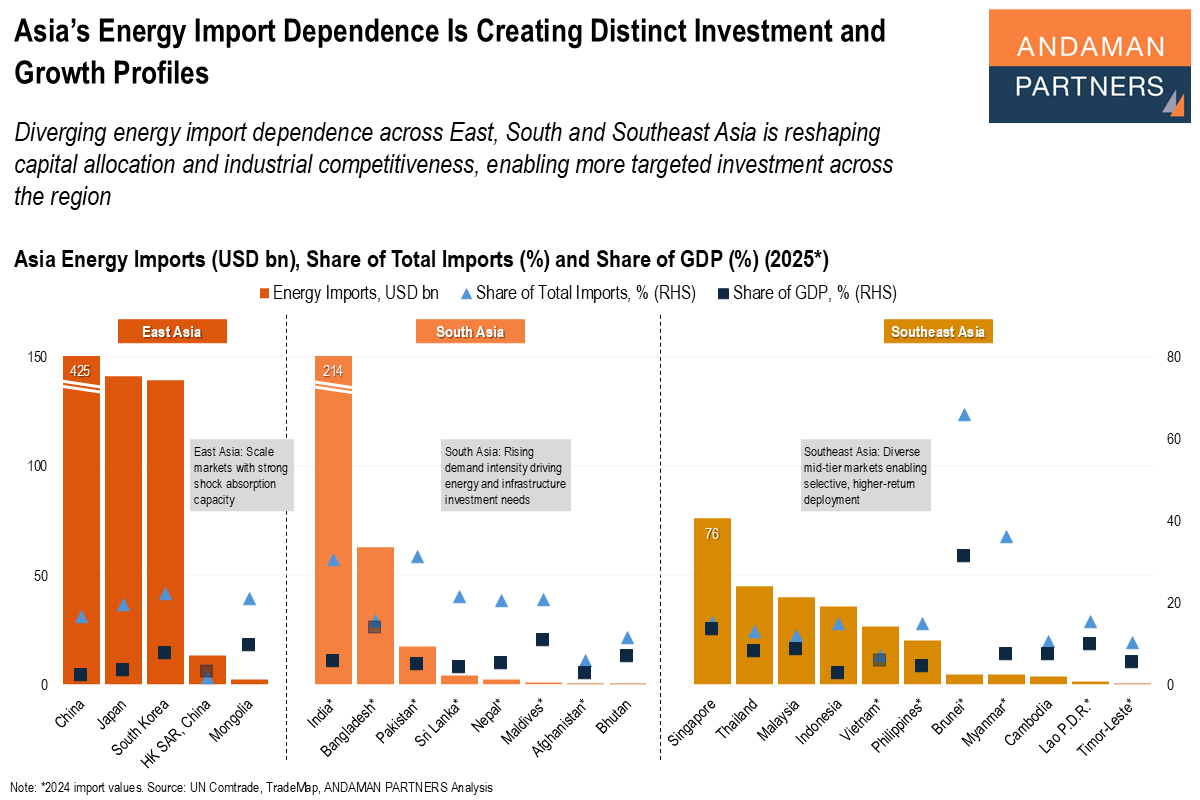
Diverging energy import dependence across East, South and Southeast Asia is reshaping capital allocation and industrial competitiveness, enabling more targeted investment across the region.
Asia’s energy import dependence is not a uniform constraint but a structural differentiator shaping investment and growth pathways across the region. Large East Asian economies such as China, Japan and South Korea dominate in absolute import volumes, with China alone at USD 425 billion. Yet, their relatively low import shares and strong industrial bases allow them to absorb shocks and deploy capital at scale.
In South Asia, India anchors regional energy demand, with energy imports of USD 214 billion, far exceeding those of all peers. Bangladesh and Pakistan follow at much smaller scales. At the same time, across the region, energy imports account for a meaningful but not dominant share of total imports, indicating rising yet still manageable import dependence.
Southeast Asia sits between these poles, led by Singapore, which has energy imports of USD 76 billion, with Thailand, Malaysia, Indonesia and Vietnam forming a mid-tier of importers. Import dependence varies across the region, with several economies combining moderate scale and exposure, supporting selective, higher-return deployment opportunities.
Overall, energy import dependence is increasingly defining where capital can be deployed at scale, where capacity must be built and where targeted investments can capture differentiated returns across Asia’s diverse economies.
Also by ANDAMAN PARTNERS:
ANDAMAN PARTNERS supports international business ventures and growth. We help launch global initiatives and accelerate successful expansion across borders. If your business, operations or project requires cross-border support, contact connect@andamanpartners.com.

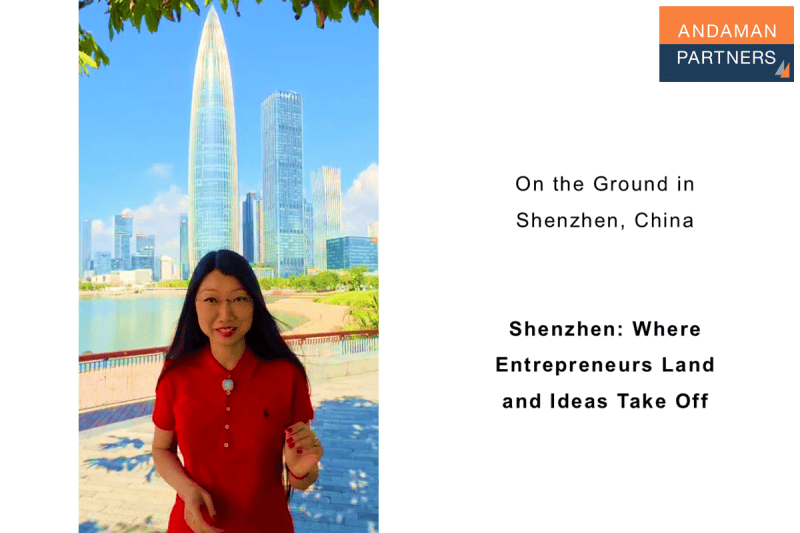
Shenzhen: Where Entrepreneurs Land and Ideas Take Off by ANDAMAN PARTNERS Co-Founder Rachel Wu
Analysis by ANDAMAN PARTNERS Co-Founder Rachel Wu on what makes the city of Shenzhen different
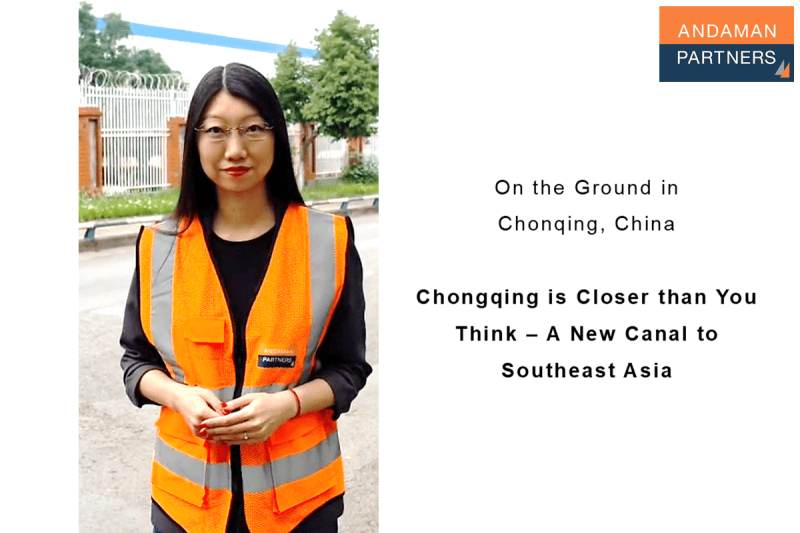
Chongqing Is Closer Than You Think by ANDAMAN PARTNERS Co-Founder Rachel Wu
ANDAMAN PARTNERS Co-Founder Rachel Wu on a new waterway in southern China that is redrawing the map for western China’s trade
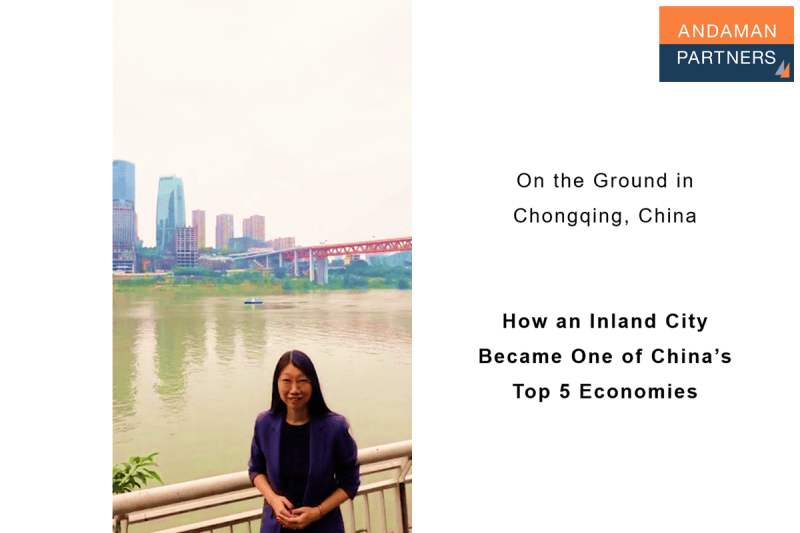
How an Inland City Became One of China’s Top 5 Economies by ANDAMAN PARTNERS Co-Founder Rachel Wu
Analysis by ANDAMAN PARTNERS Co-Founder Rachel Wu on how Chongqing became one of China’s top 5 economies
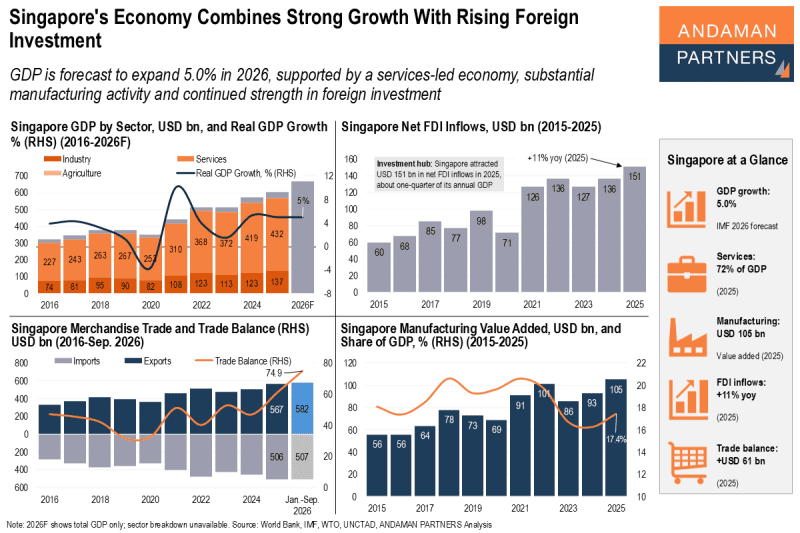
Singapore’s Economy Combines Strong Growth with Rising Foreign Investment
GDP is forecast to expand 5.0% in 2026, supported by a services-led economy
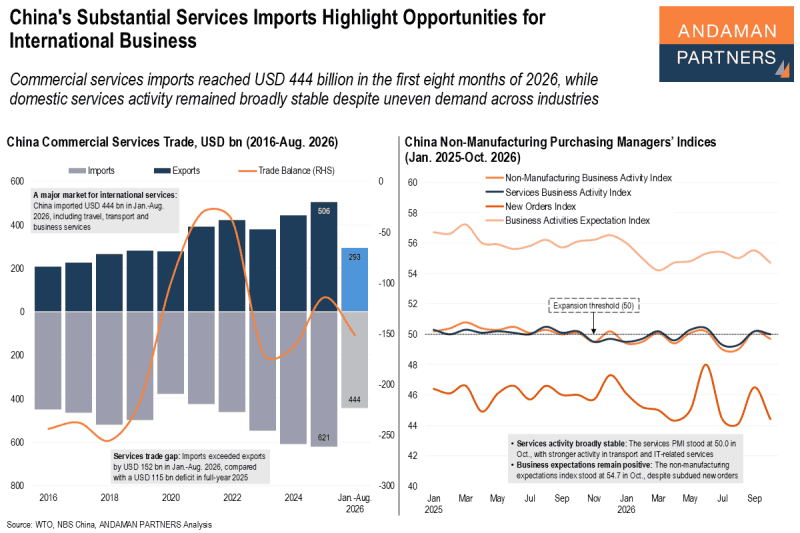
China’s Substantial Services Imports Highlight Opportunities for International Business
Commercial services imports reached USD 444 billion in the first eight months of 2026, while domestic services activity remained broadly stable
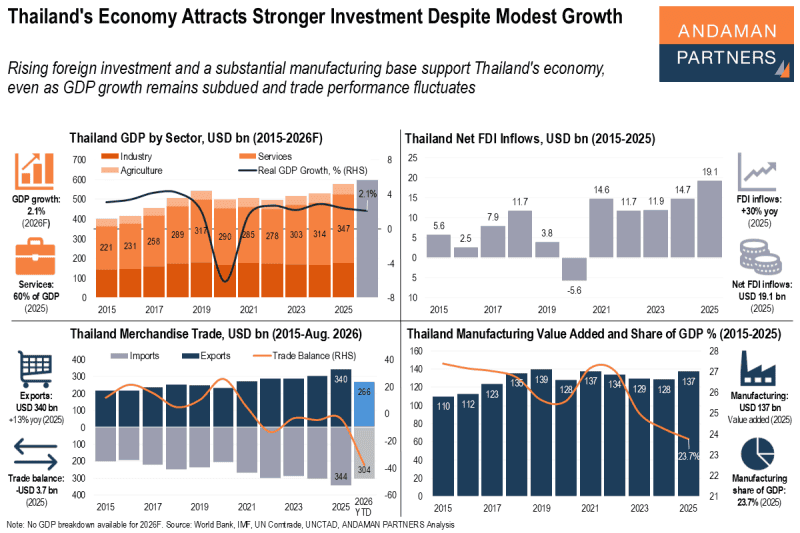
Thailand’s Economy Attracts Stronger Investment Despite Modest Growth
Rising foreign investment and a manufacturing base support Thailand’s economy, even as GDP growth remains subdued