
GDP Scale vs Dynamism: The World’s Largest and Fastest-Growing Economies
The world’s most dynamic economies with sustained economic growth are clustered in Africa as well as South, Central and Southeast Asia.
The world’s most dynamic economies with sustained economic growth are clustered in Africa as well as South, Central and Southeast Asia.
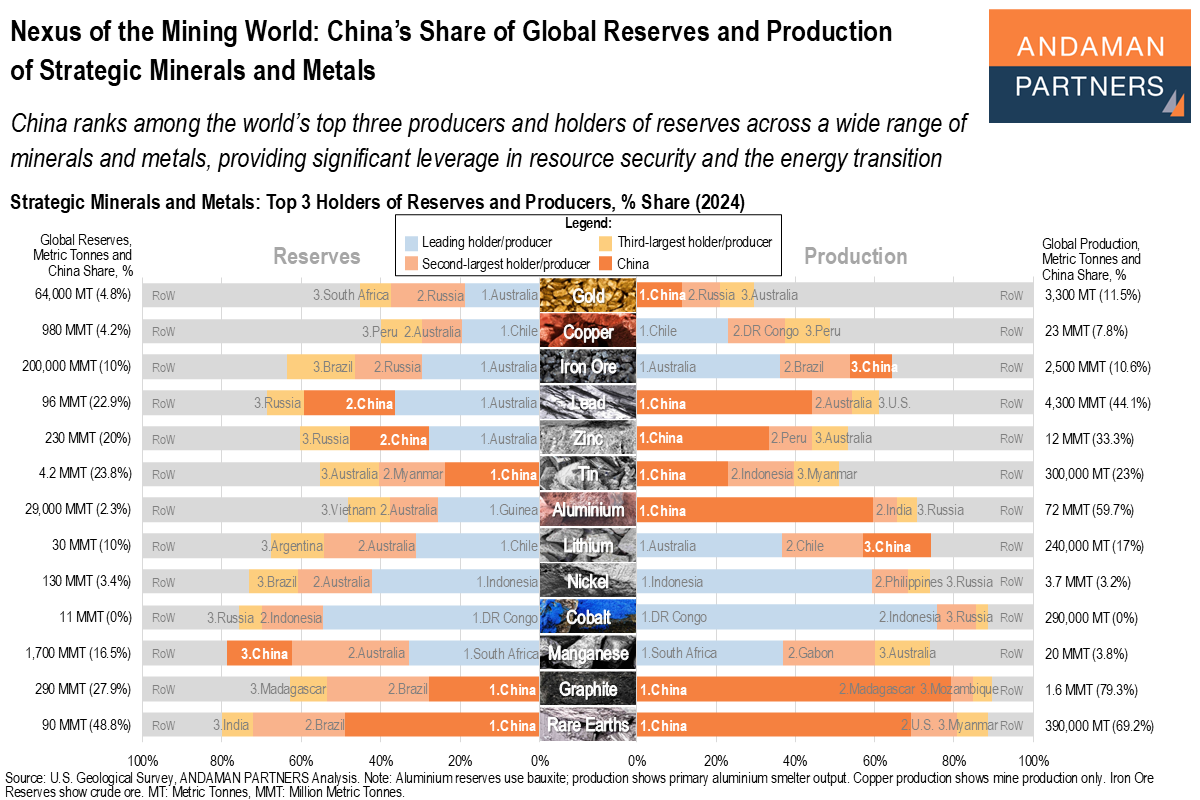
China ranks among the world’s top three producers and holders of reserves across a wide range of minerals and metals.

What China sells, where it sells it and how the country’s export dominance has reshaped global trade.

Size and speed: Who buys the most from China, who sells the most to China and whose trade is growing the fastest?

China leads the world with a total of 16 cities with populations exceeding 10 million people, the ‘megacities’ where talent, capital and infrastructure are concentrated.

Energy, mobility and industrial equipment—led by imports from China and strong U.S. supply—underpin Chile’s industrial and consumer economy.

Beyond copper and lithium carbonate, Chile is a major supplier of fruit, fish, pulp, metals and chemicals, with China as the largest buyer.

Scale is in North and Southern Africa, but the continent’s economic dynamism emanates from the West and the East.
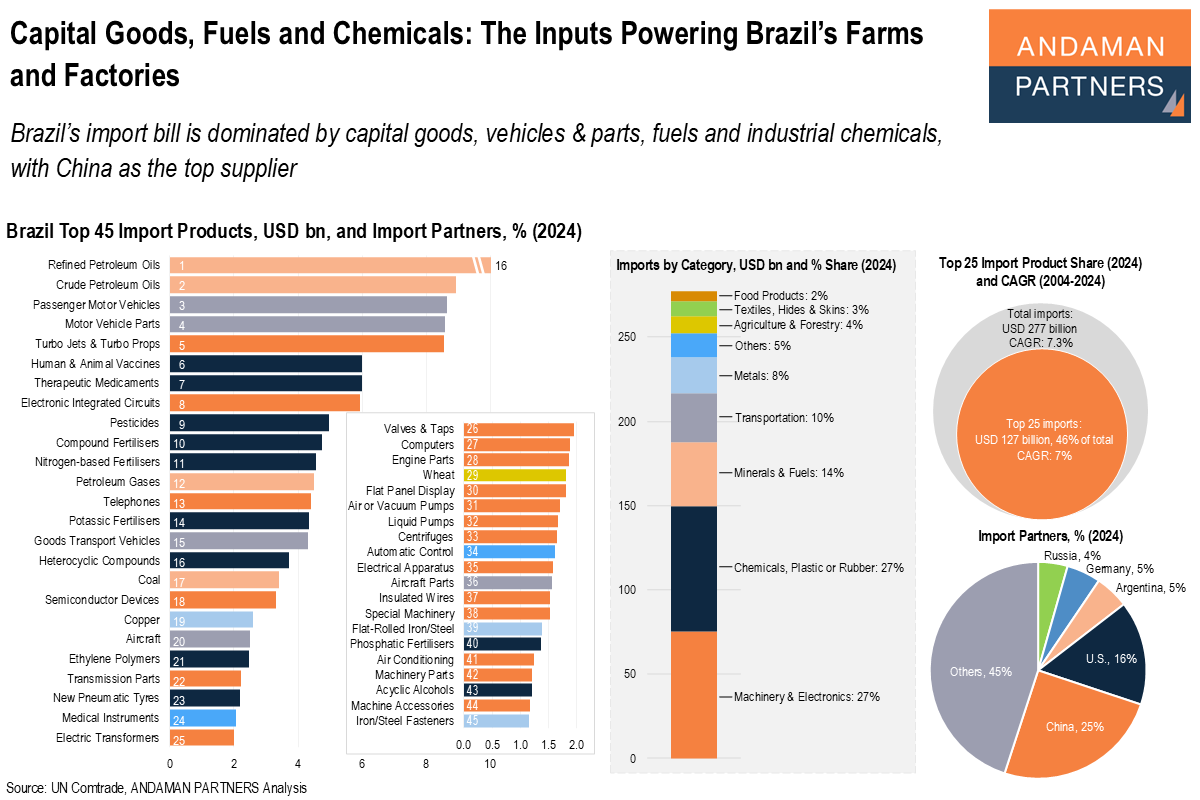
Brazil’s import bill is dominated by capital goods, vehicles & parts, fuels and industrial chemicals, with China as the top supplier.
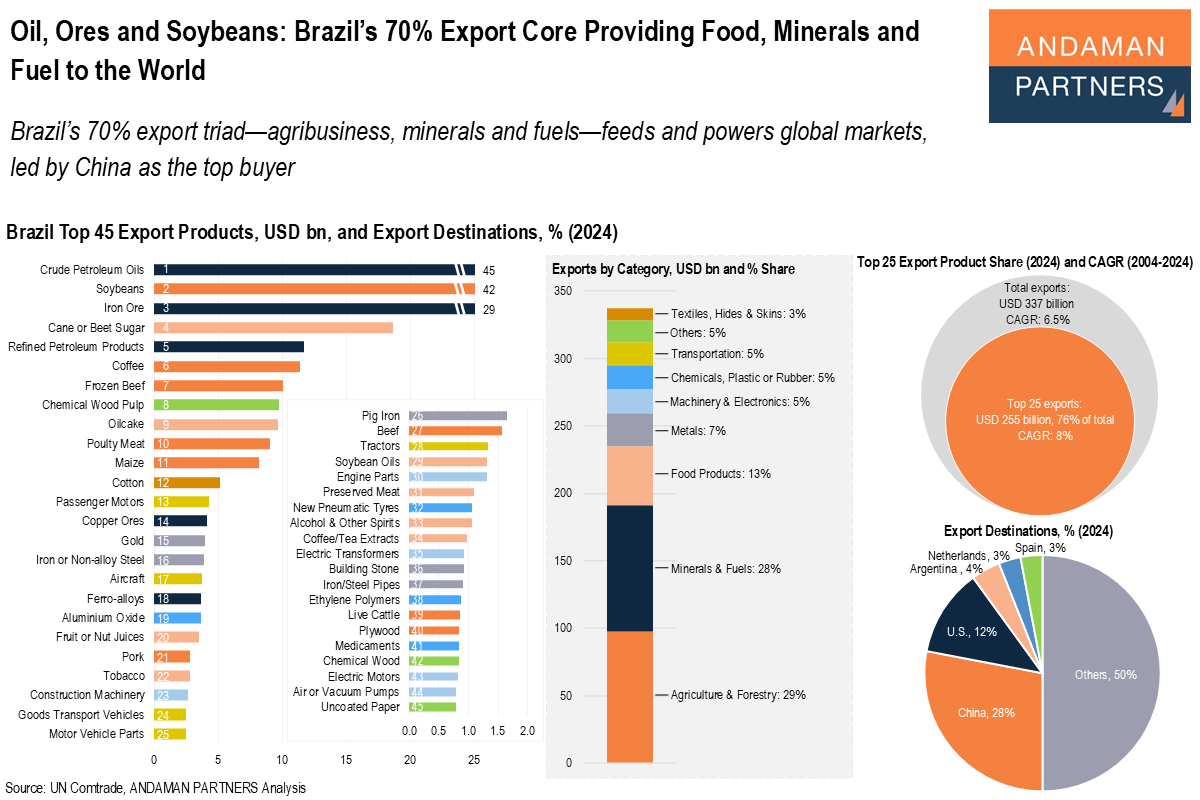
Brazil’s 70% export triad—agribusiness, minerals and fuels—feeds and powers global markets, led by China as the top buyer.