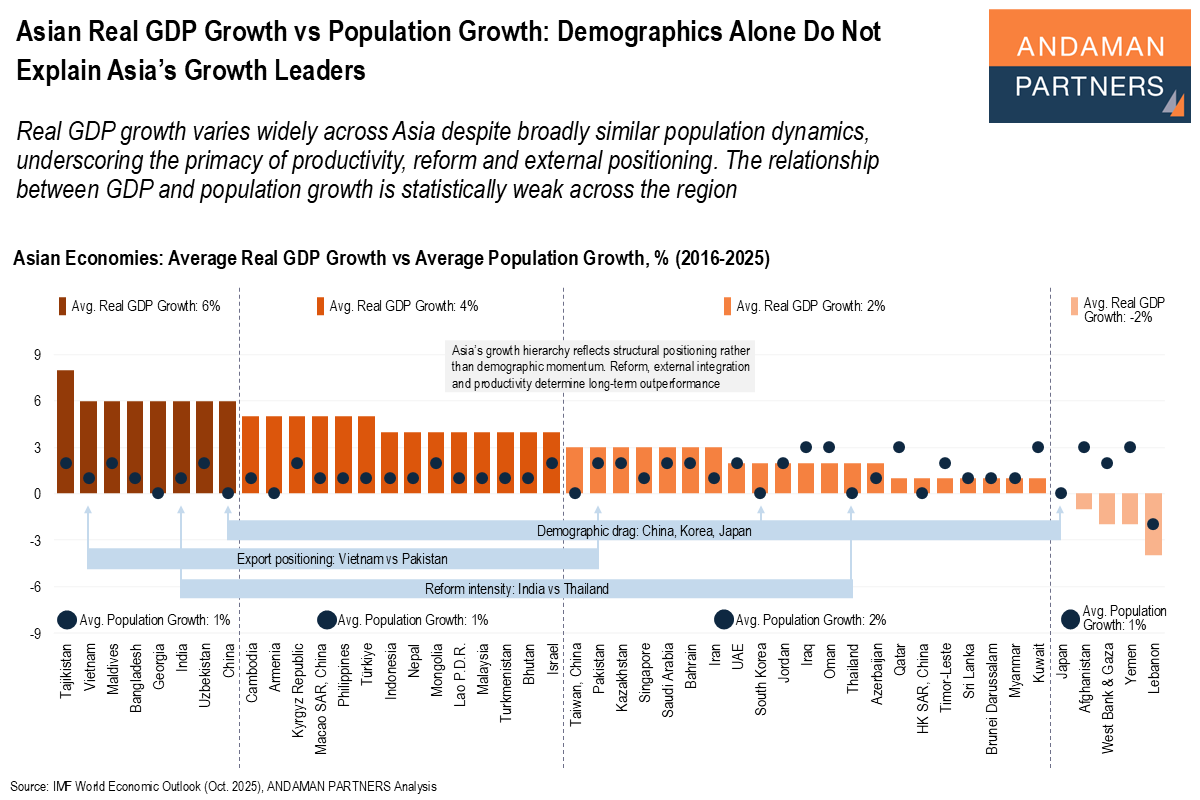
Asian Real GDP Growth vs Population Growth: Demographics Alone Do Not Explain Asia’s Growth Leaders
Real GDP growth varies widely across Asia despite broadly similar population dynamics.

Real GDP growth varies widely across Asia despite broadly similar population dynamics.
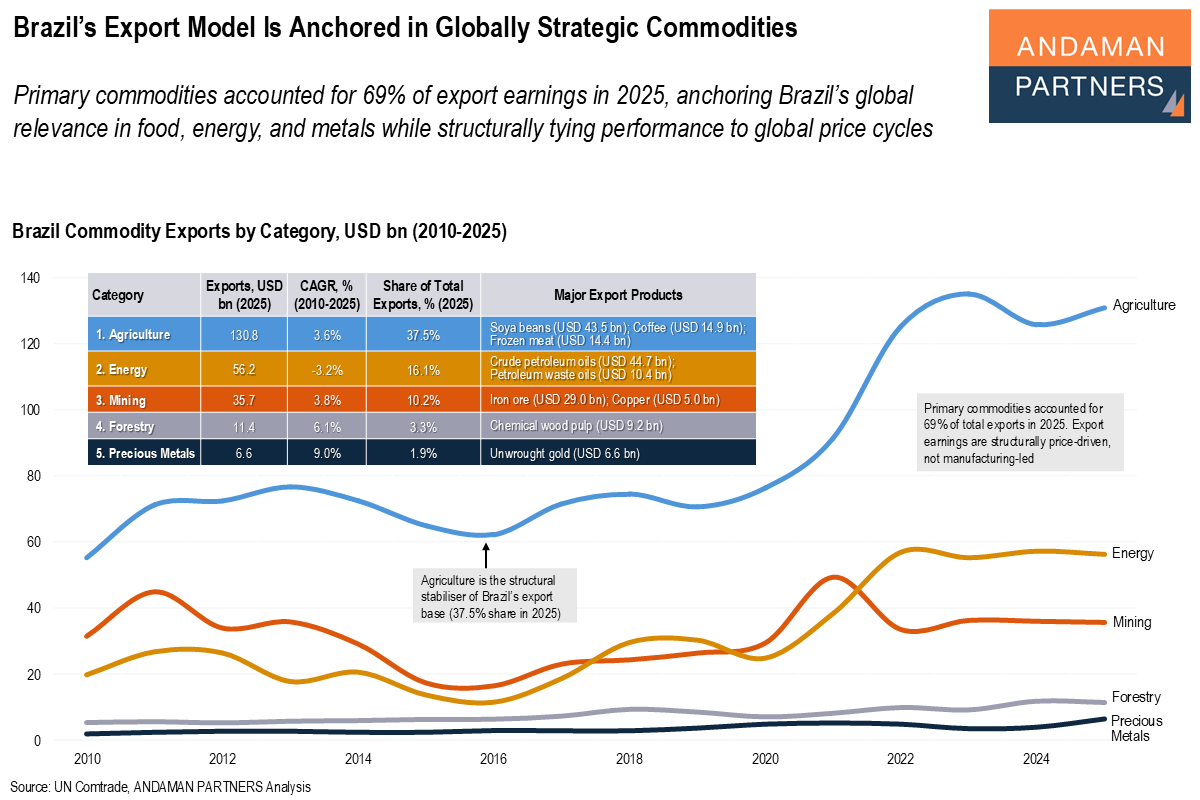
Primary commodities accounted for 69% of export earnings in 2025, anchoring Brazil’s global relevance in food, energy, and metals.
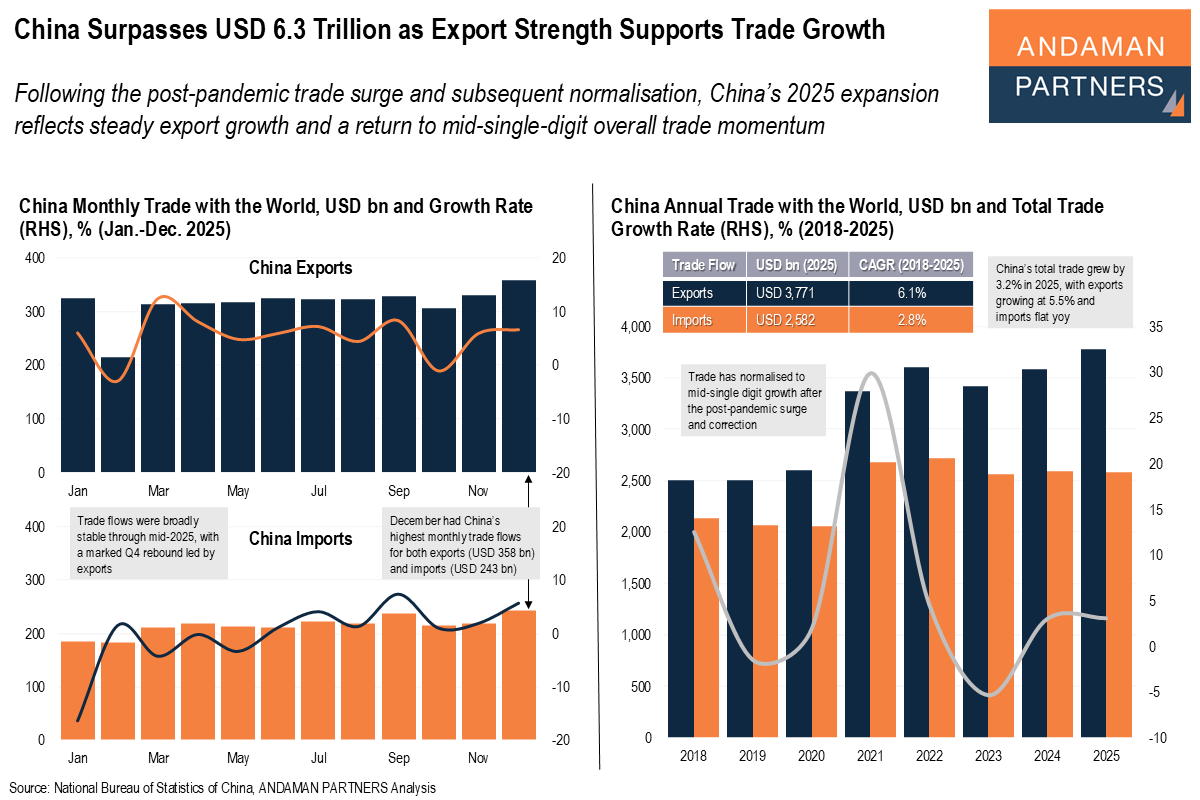
China’s 2025 expansion reflects steady export growth and a return to mid-single-digit overall trade momentum.
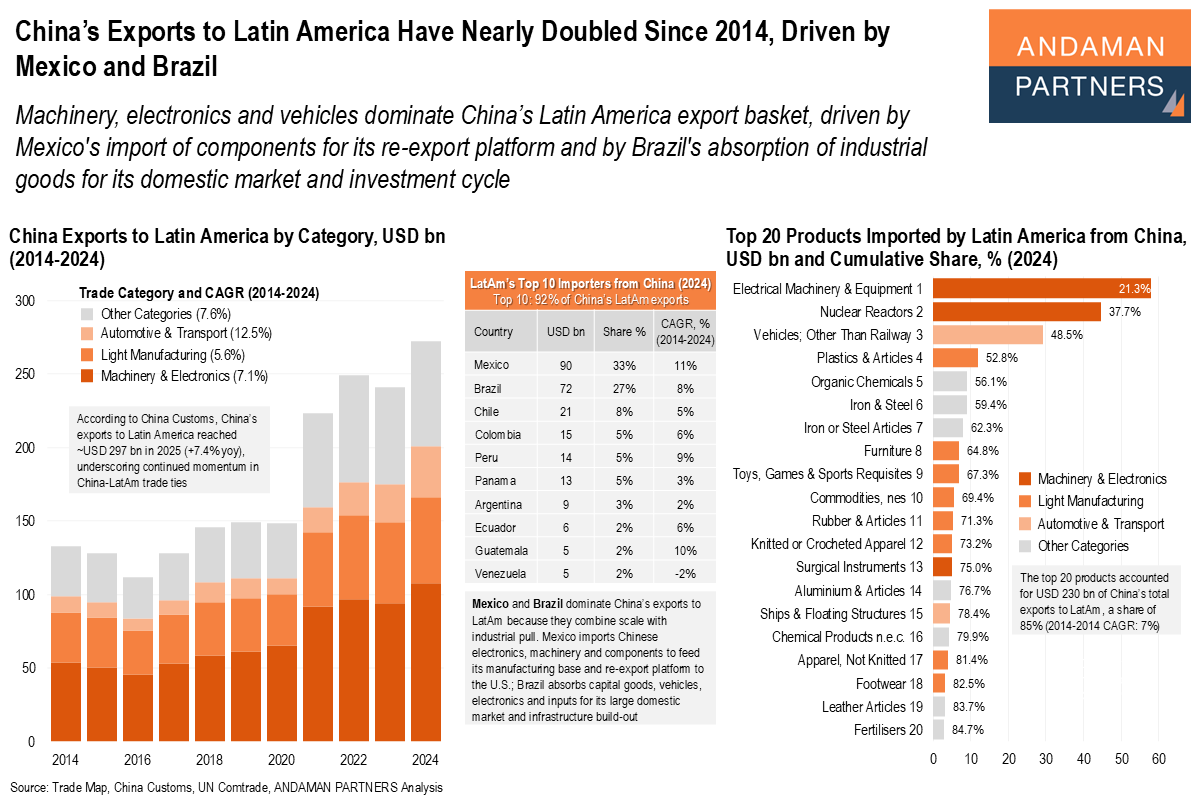
Machinery, electronics and vehicles dominate China’s Latin America export basket, driven by Mexico and Brazil.
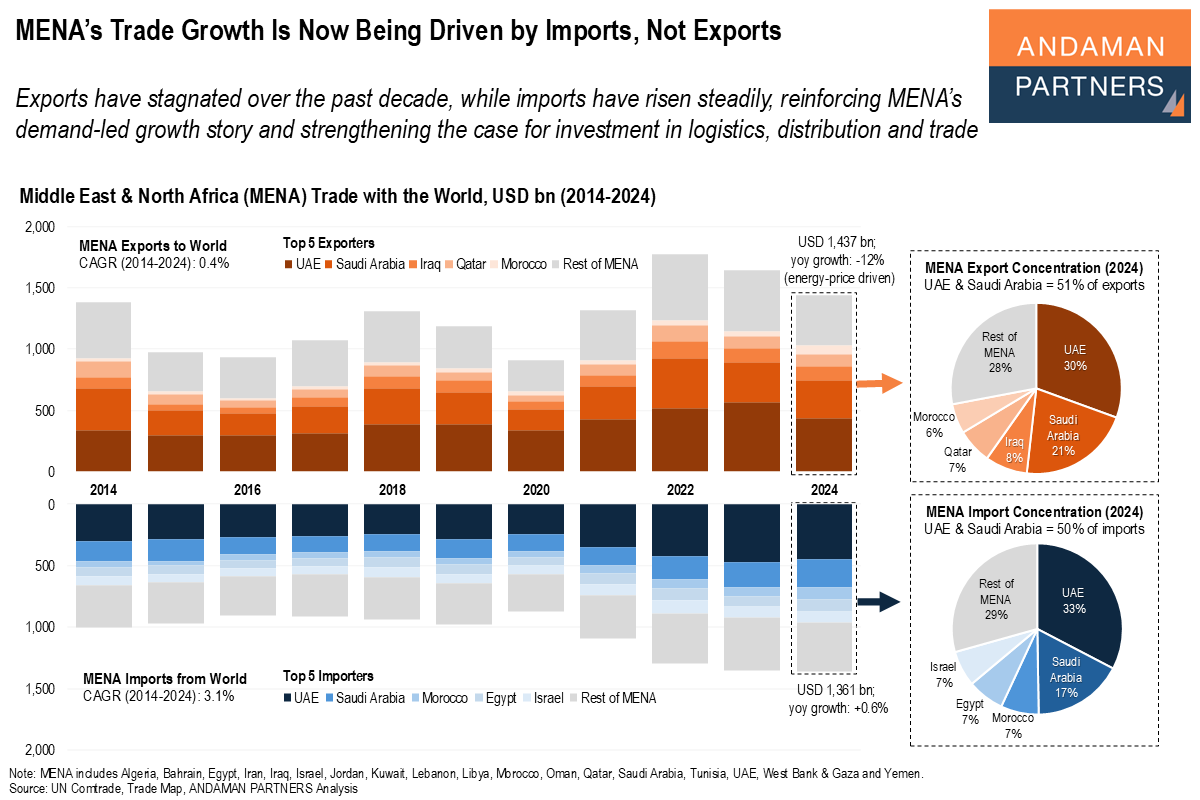
Exports have stagnated over the past decade, while imports have risen steadily, reinforcing MENA’s demand-led growth story.
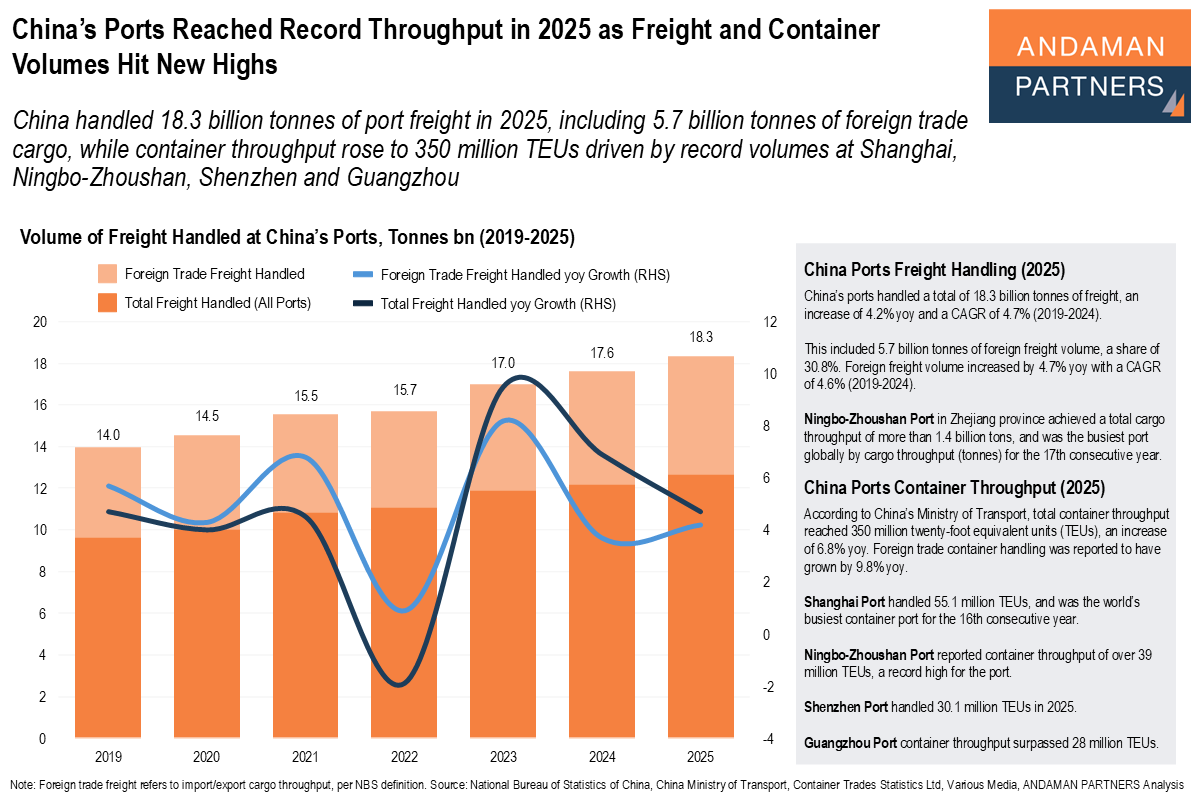
China handled 18.3 billion tonnes of port freight in 2025, including 5.7 billion tonnes of foreign trade cargo.
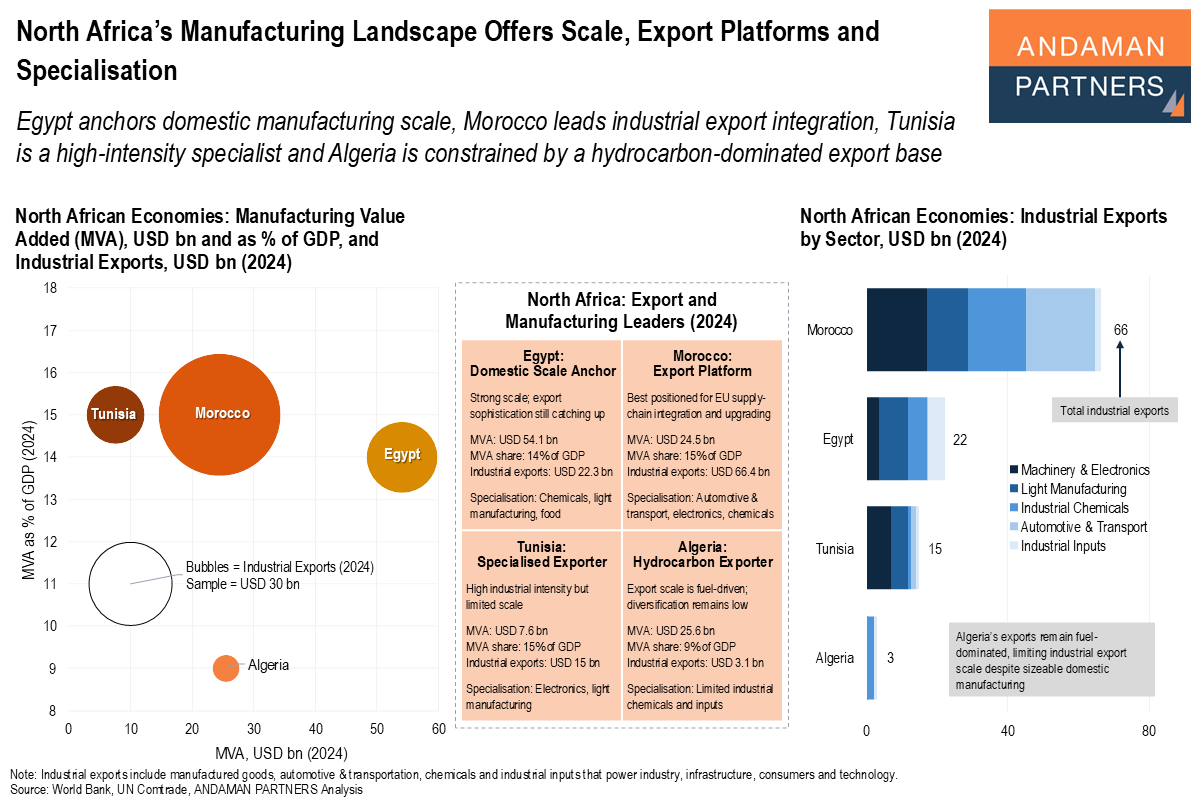
Egypt anchors domestic manufacturing scale, Morocco leads industrial export integration and Tunisia is a high-intensity specialist.
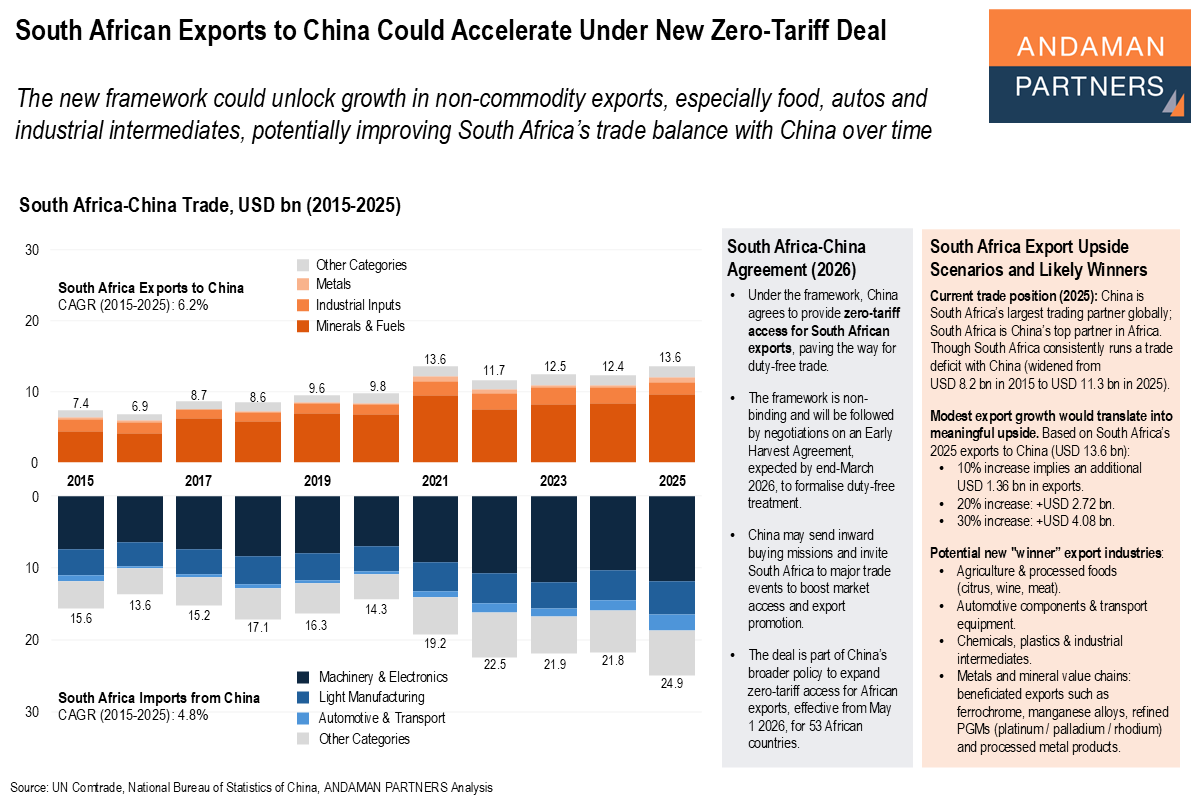
The new framework could unlock growth in non-commodity exports, especially food, autos and industrial intermediates.
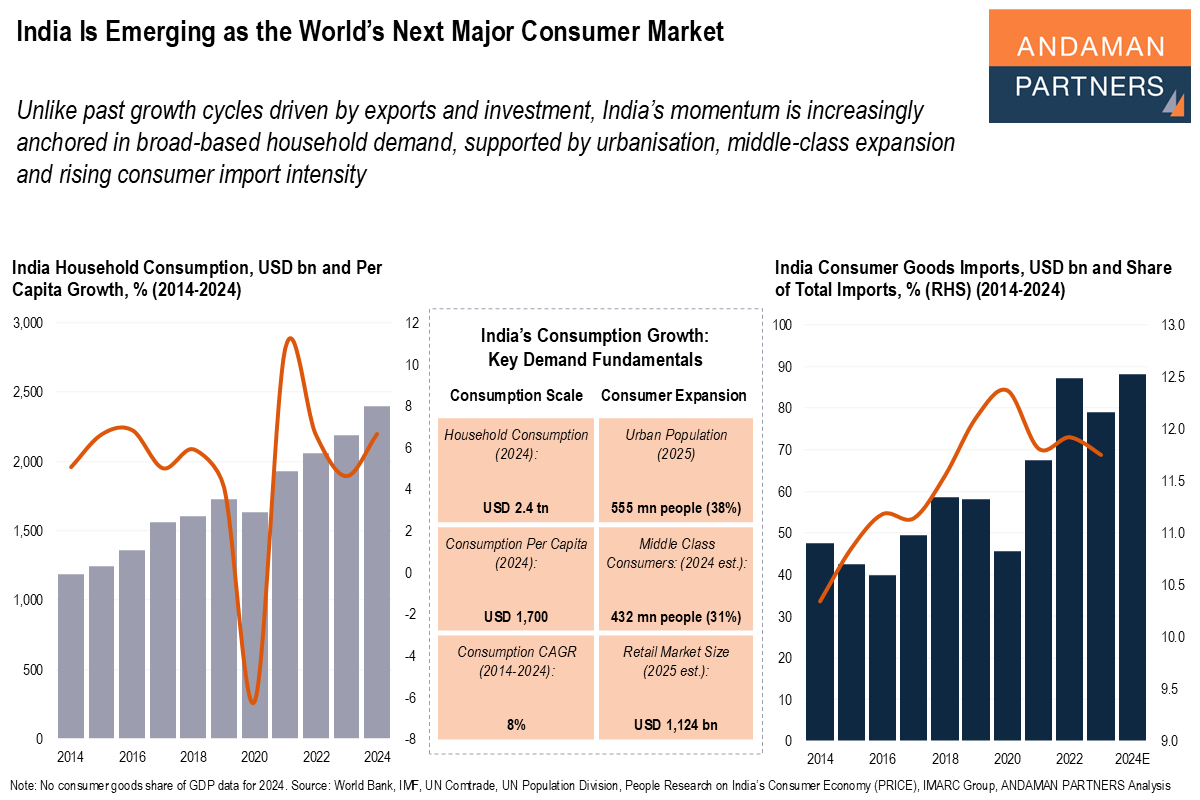
India’s momentum is anchored in broad-based household demand, supported by urbanisation, middle-class expansion and consumer import intensity.
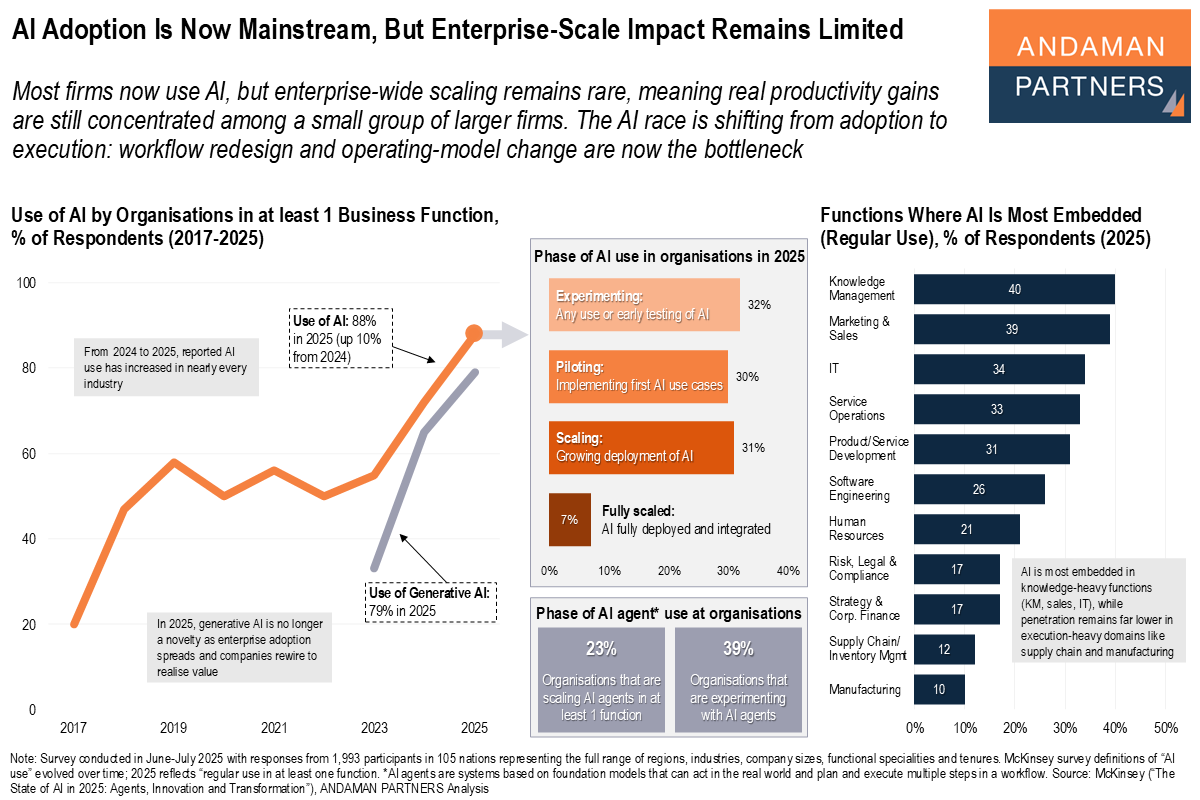
Most firms now use AI, but enterprise-wide scaling remains rare, meaning productivity gains are concentrated in a small group of larger firms.