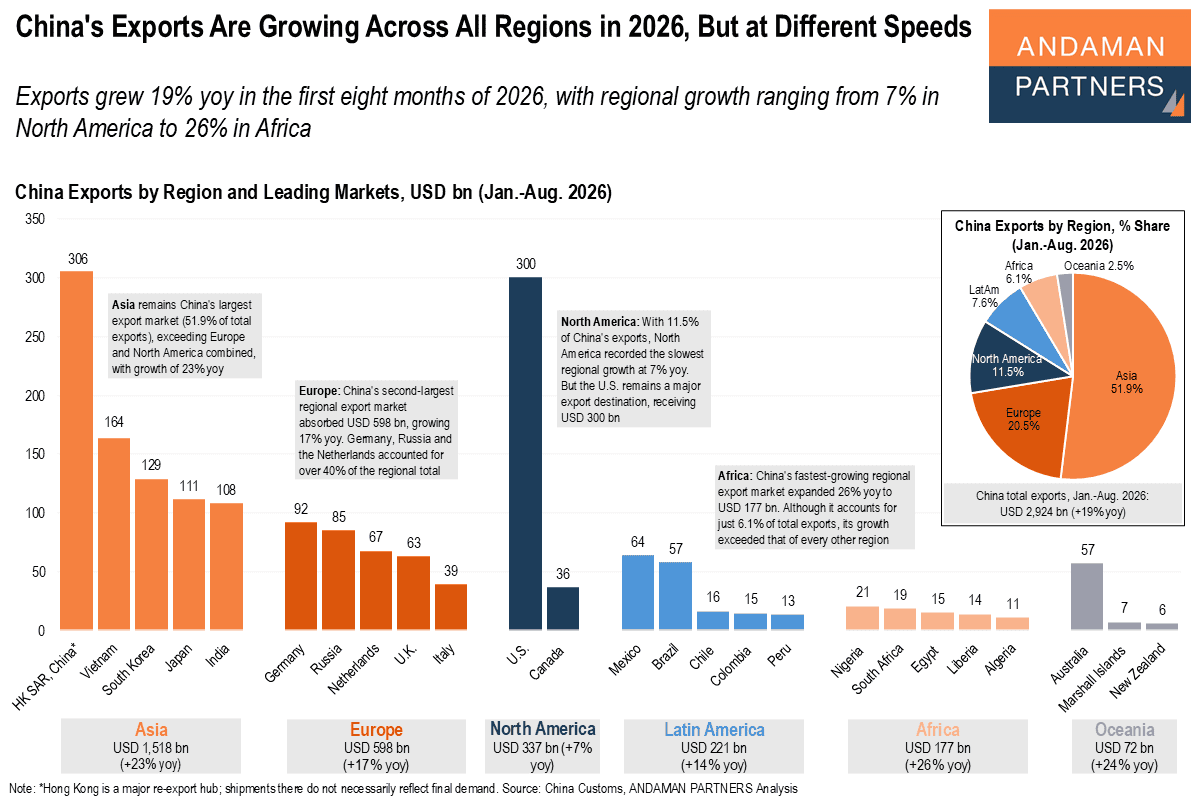
China’s Exports Are Growing Across All Regions in 2026, But at Different Speeds
Exports grew 19% yoy in the first eight months of 2026, with regional growth ranging from 7% in North America to 26% in Africa

Exports grew 19% yoy in the first eight months of 2026, with regional growth ranging from 7% in North America to 26% in Africa
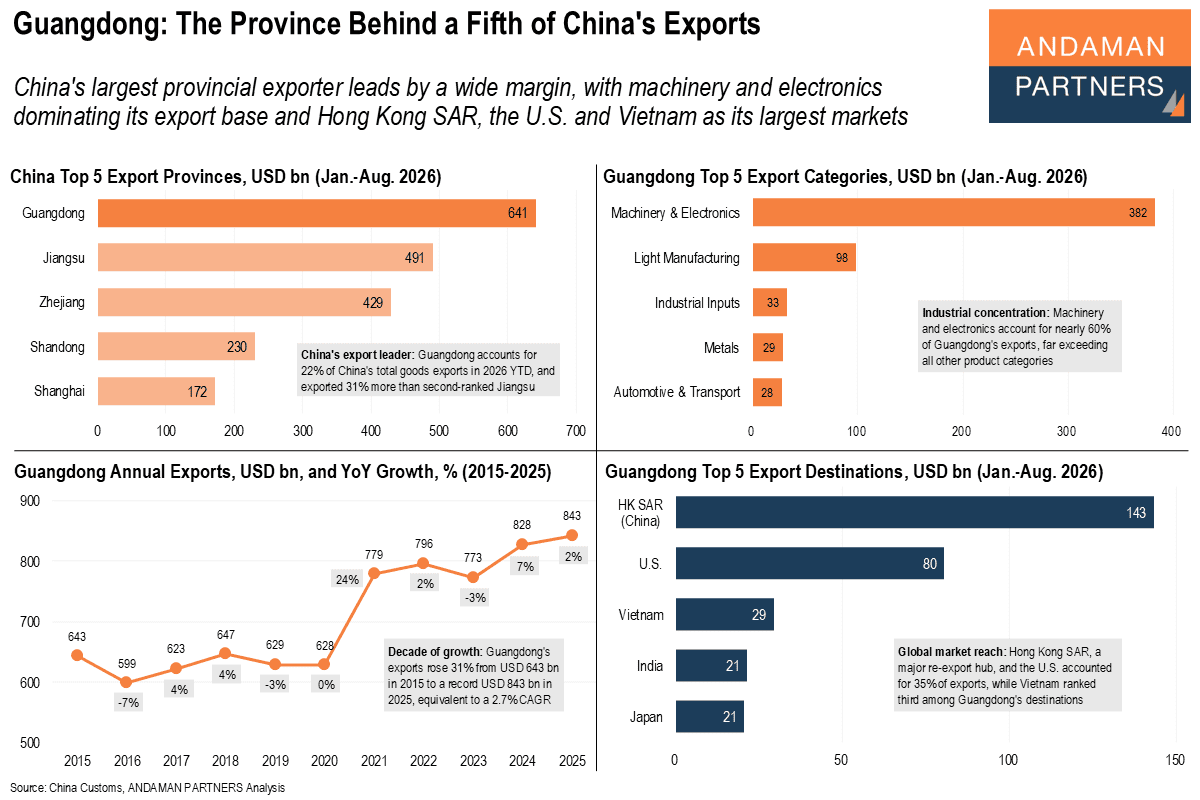
China's largest provincial exporter leads by a wide margin, with machinery and electronics dominating its export base
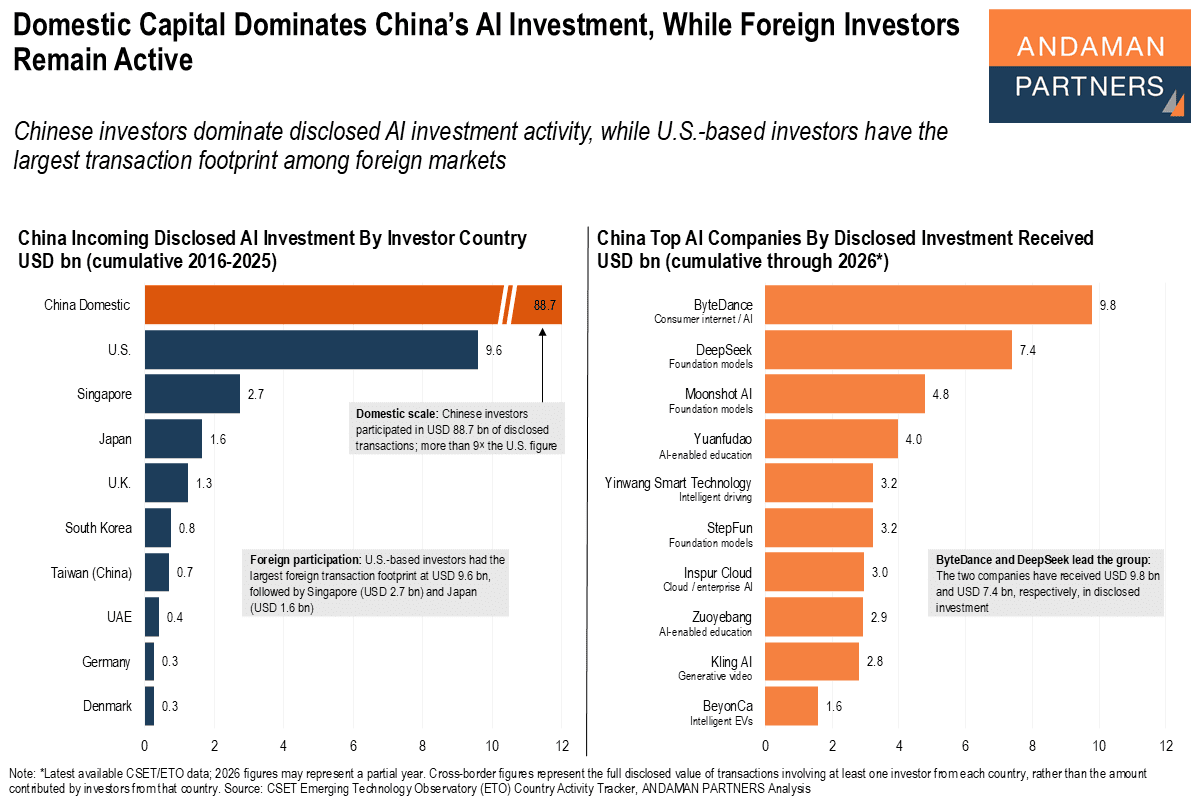
Chinese investors dominate disclosed AI investment activity, while U.S.-based investors have the largest transaction footprint among foreign markets
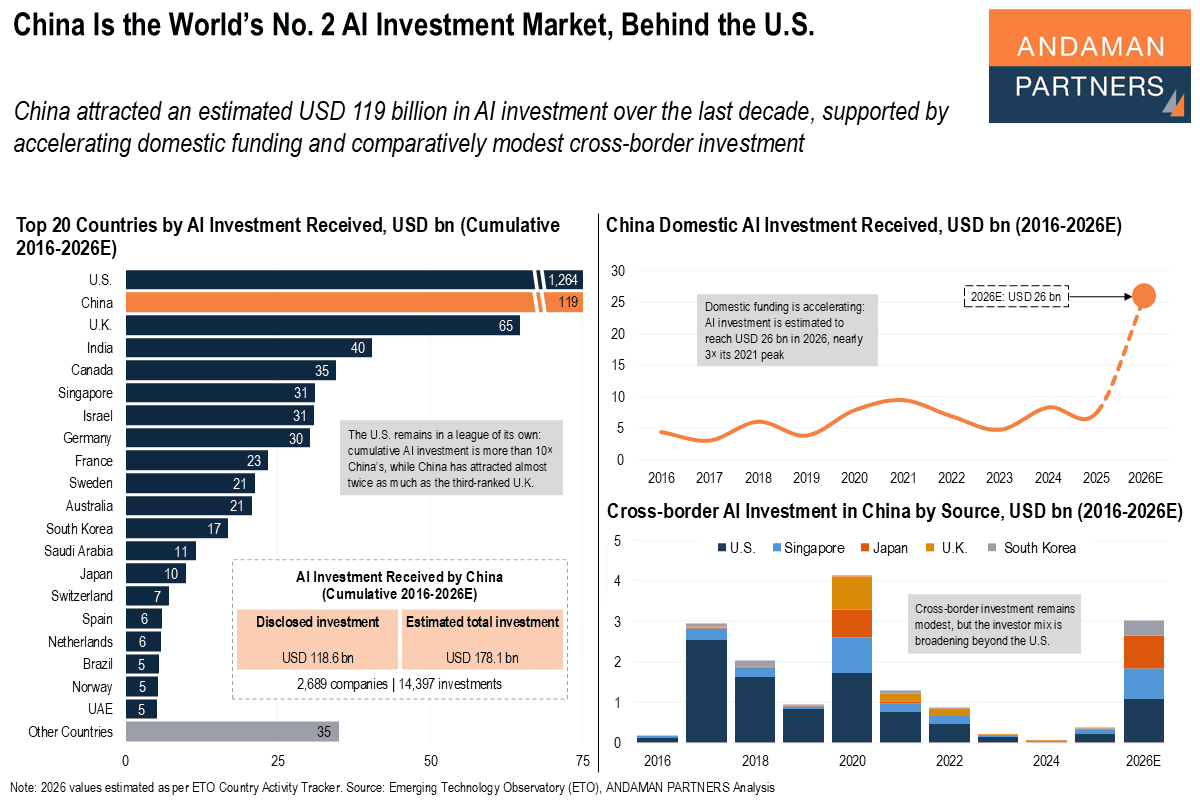
China attracted USD 119 billion in AI investment over the last decade, supported by accelerating domestic funding.
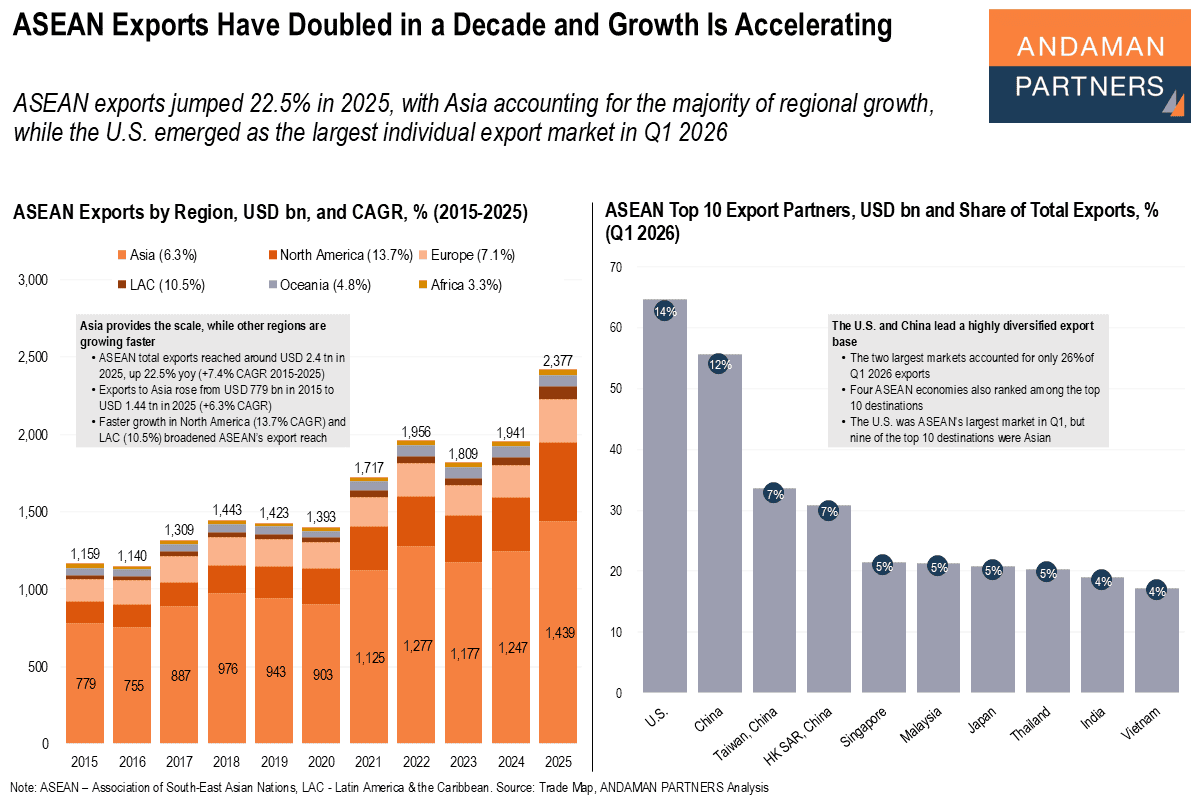
ASEAN exports jumped 22.5% in 2025, with Asia accounting for the majority of regional growth
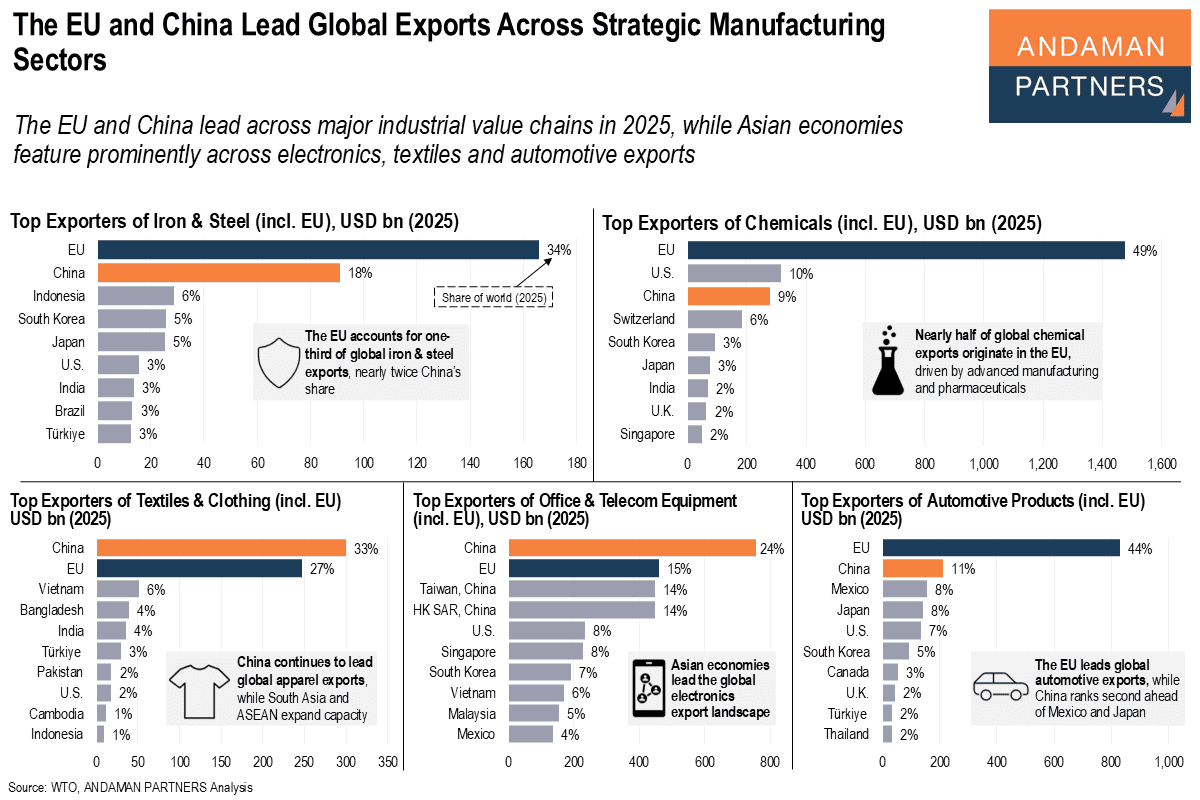
The EU and China lead across major industrial value chains in 2025, while Asian economies feature prominently in electronics, textiles and automotive
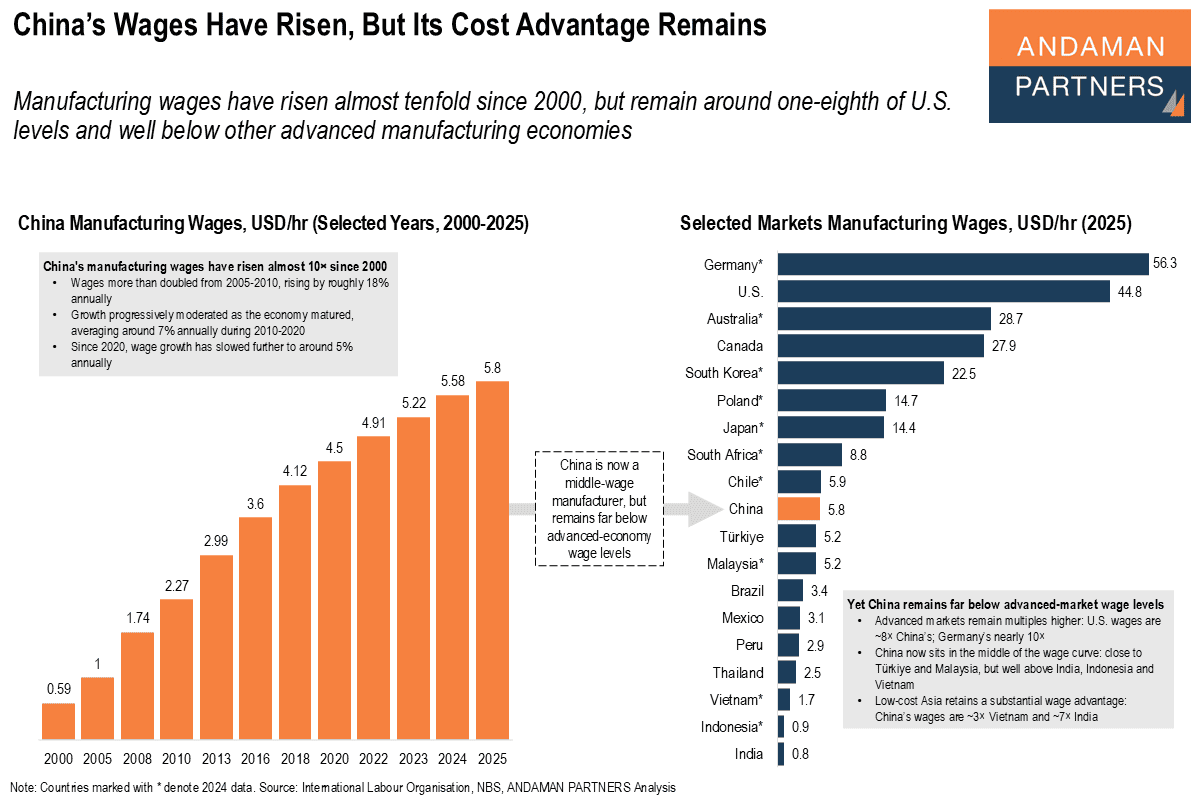
Manufacturing wages have risen almost tenfold since 2000, but remain well below advanced manufacturing economies
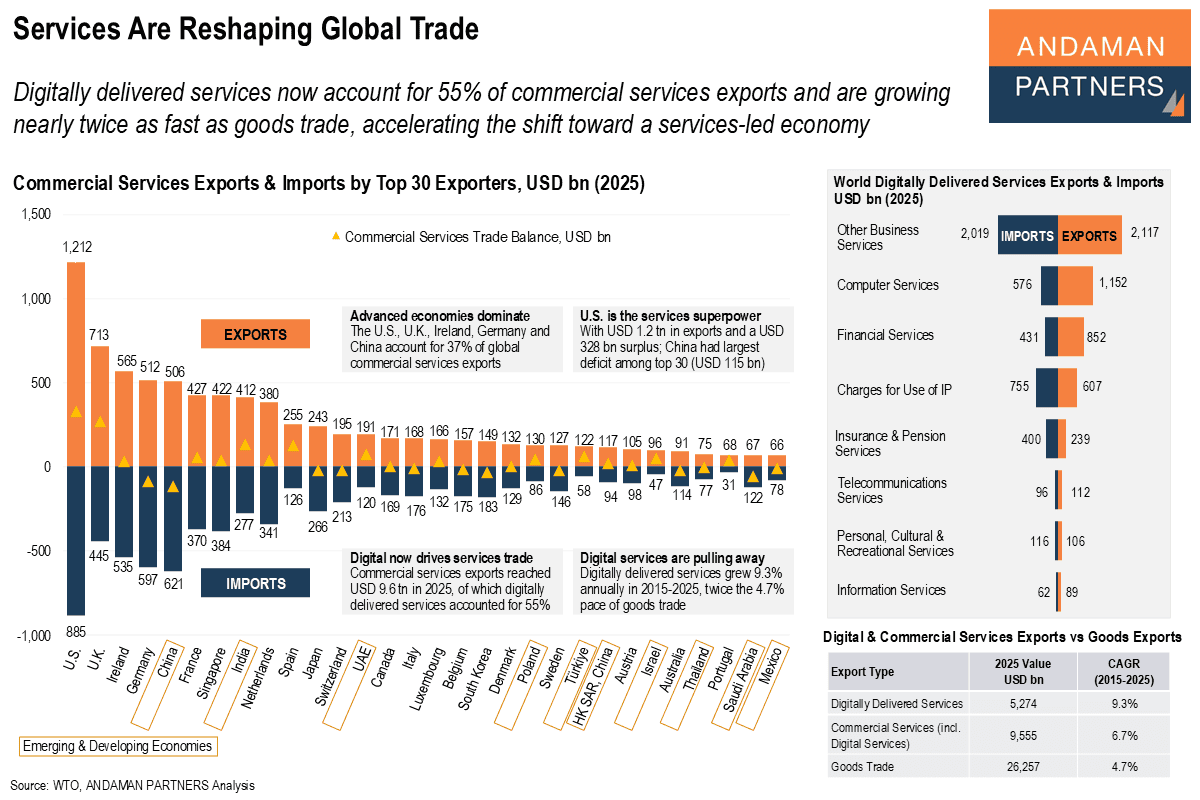
Digitally delivered services now account for 55% of commercial services exports and are growing nearly twice as fast as goods trade
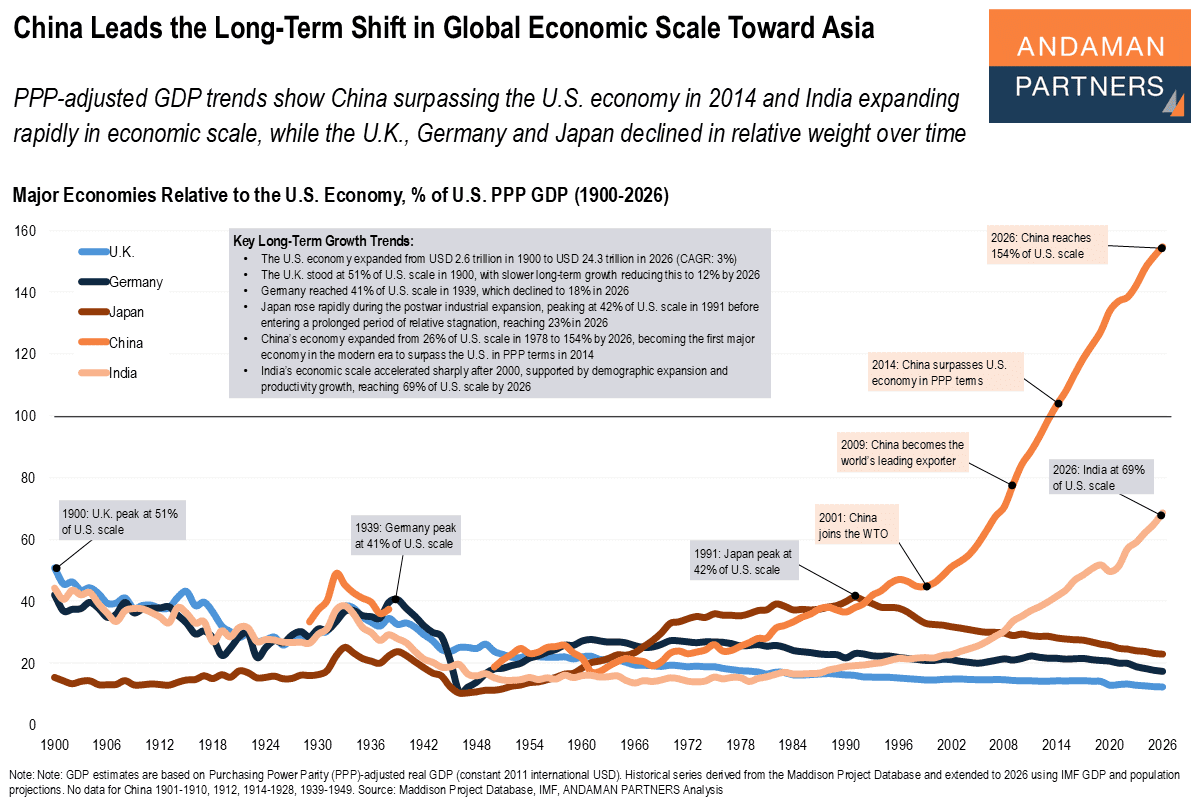
PPP-adjusted GDP trends show China surpassing the U.S. economy in 2014 and India expanding rapidly in economic scale.
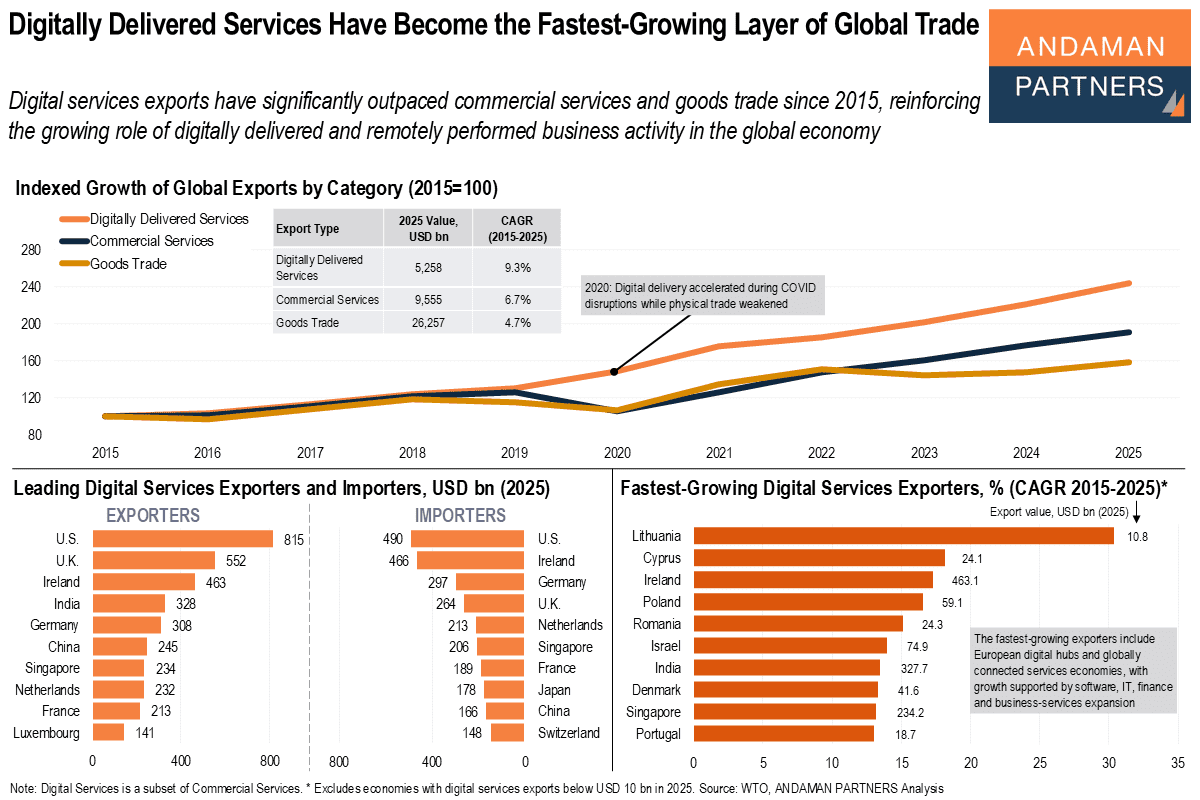
Digital services exports have significantly outpaced commercial services and goods trade since 2015.