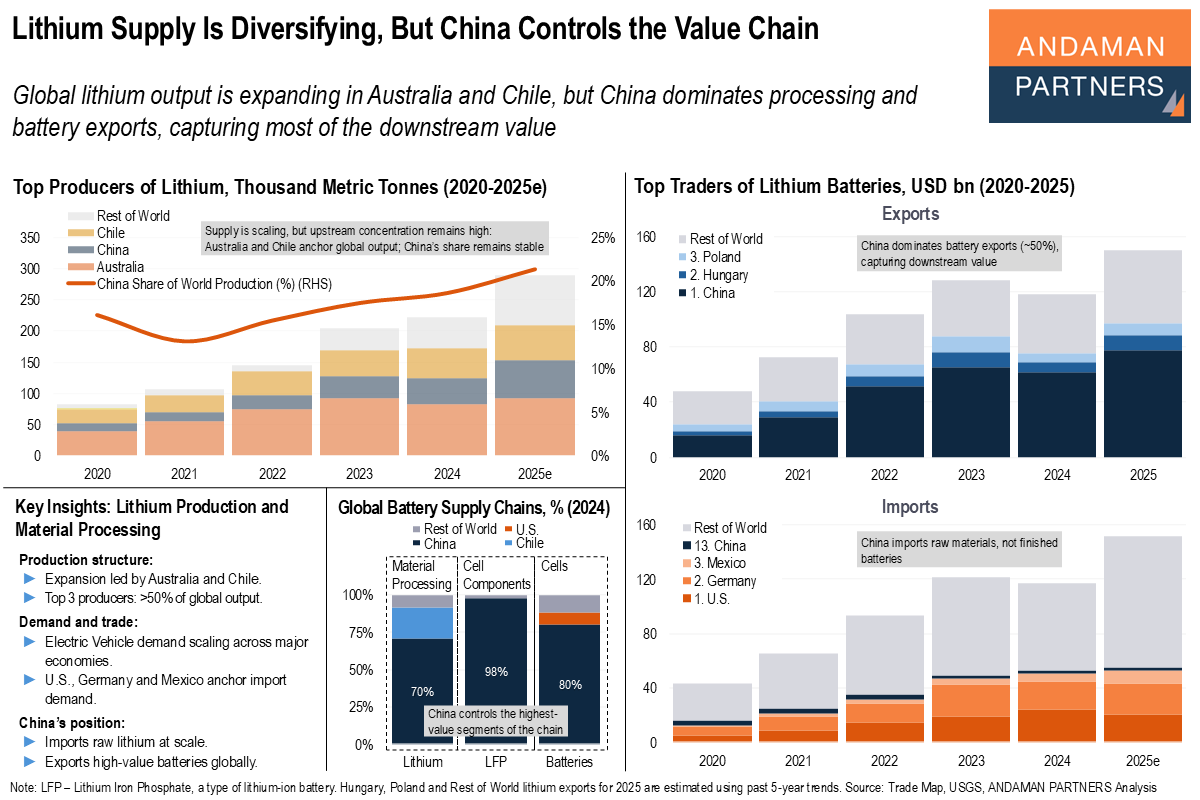
Lithium Supply Is Diversifying, But China Controls the Value Chain
Global lithium output is expanding in Australia and Chile, but China dominates processing and battery exports, capturing most of the downstream value.

Global lithium output is expanding in Australia and Chile, but China dominates processing and battery exports, capturing most of the downstream value.
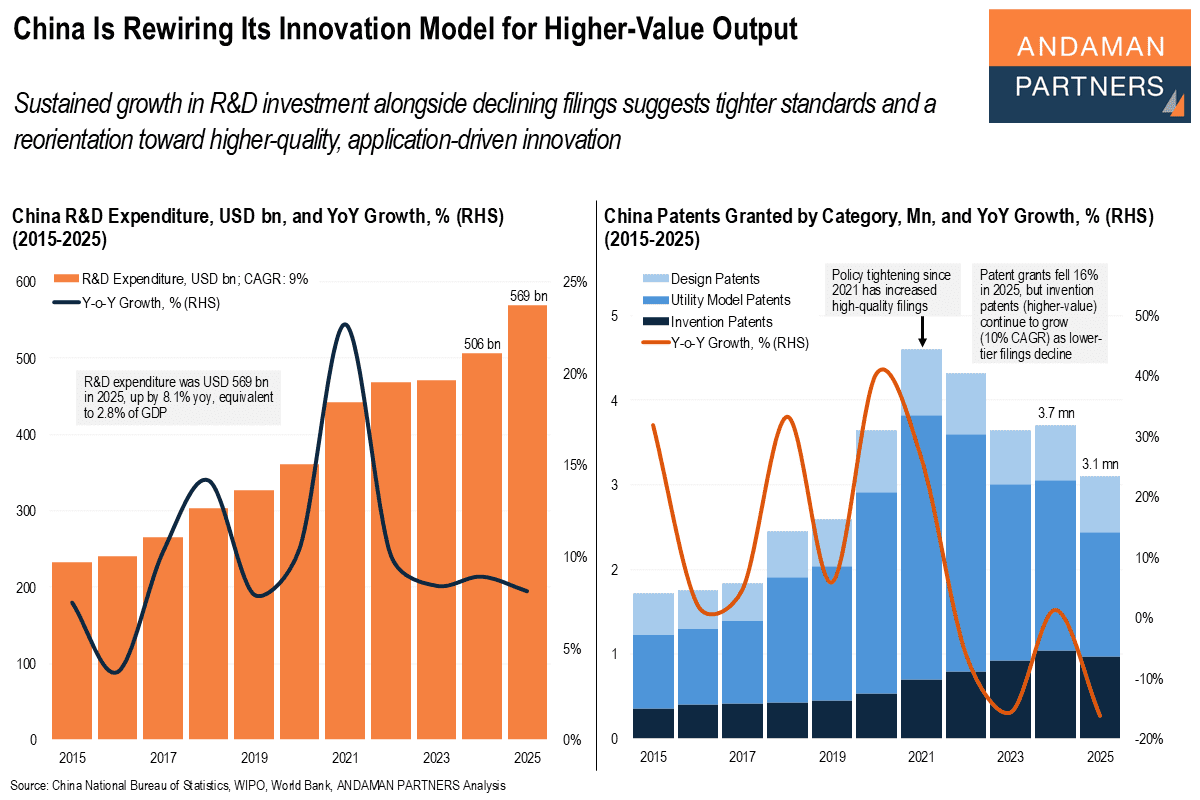
Sustained growth in R&D alongside declining filings suggests tighter standards and a reorientation toward higher-quality innovation.
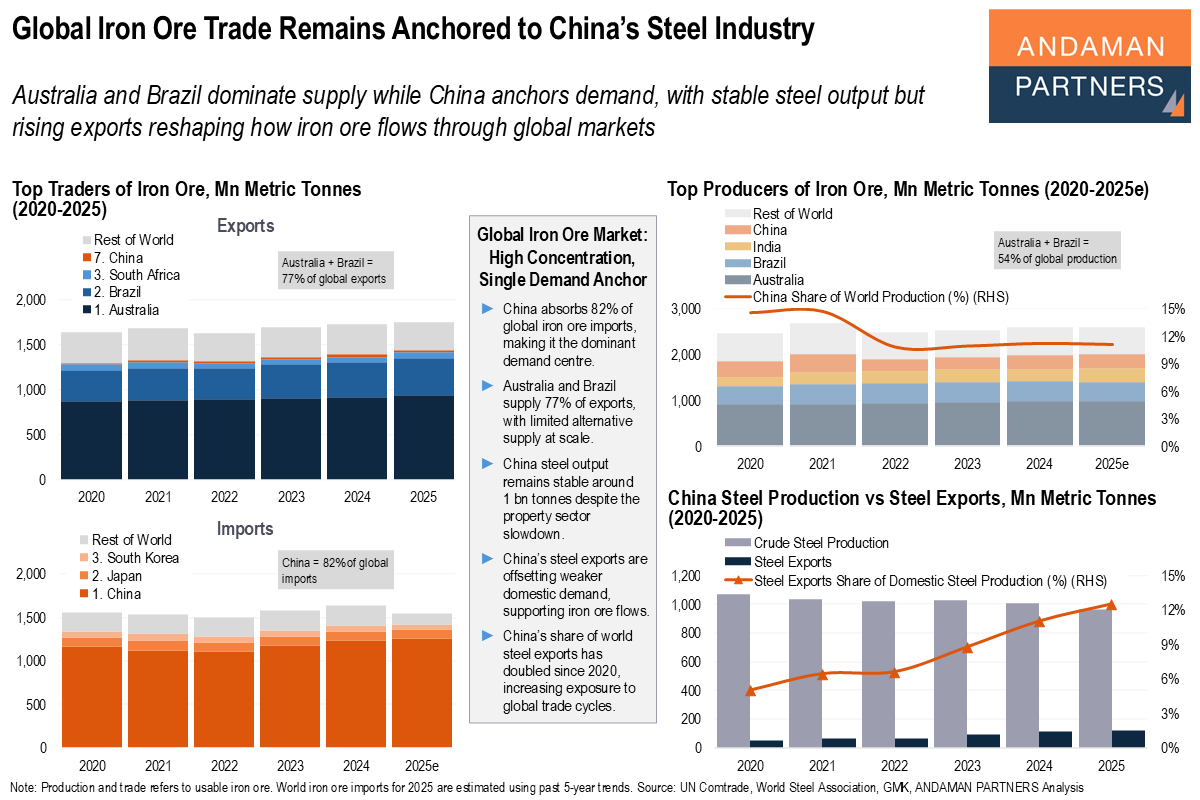
Australia and Brazil dominate supply while China anchors demand, with rising exports reshaping how iron ore flows through global markets.
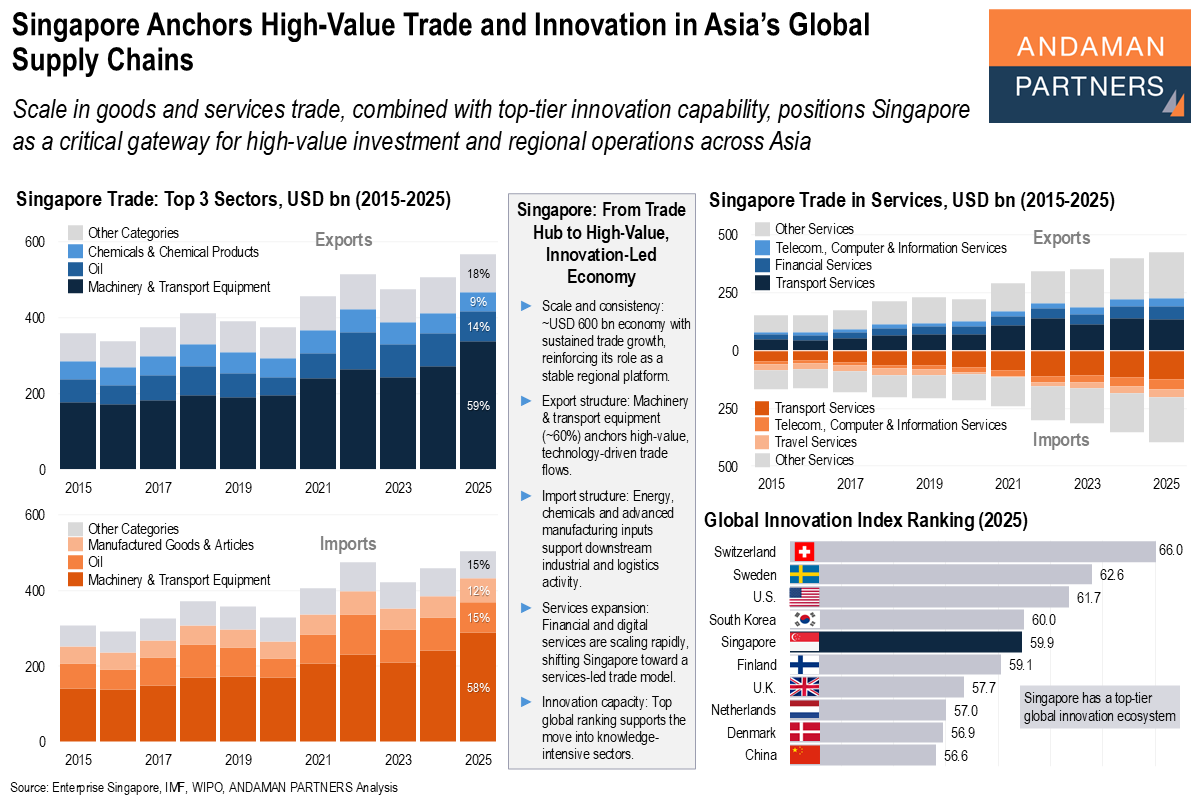
Singapore is a critical gateway for high-value investment and regional operations across Asia.
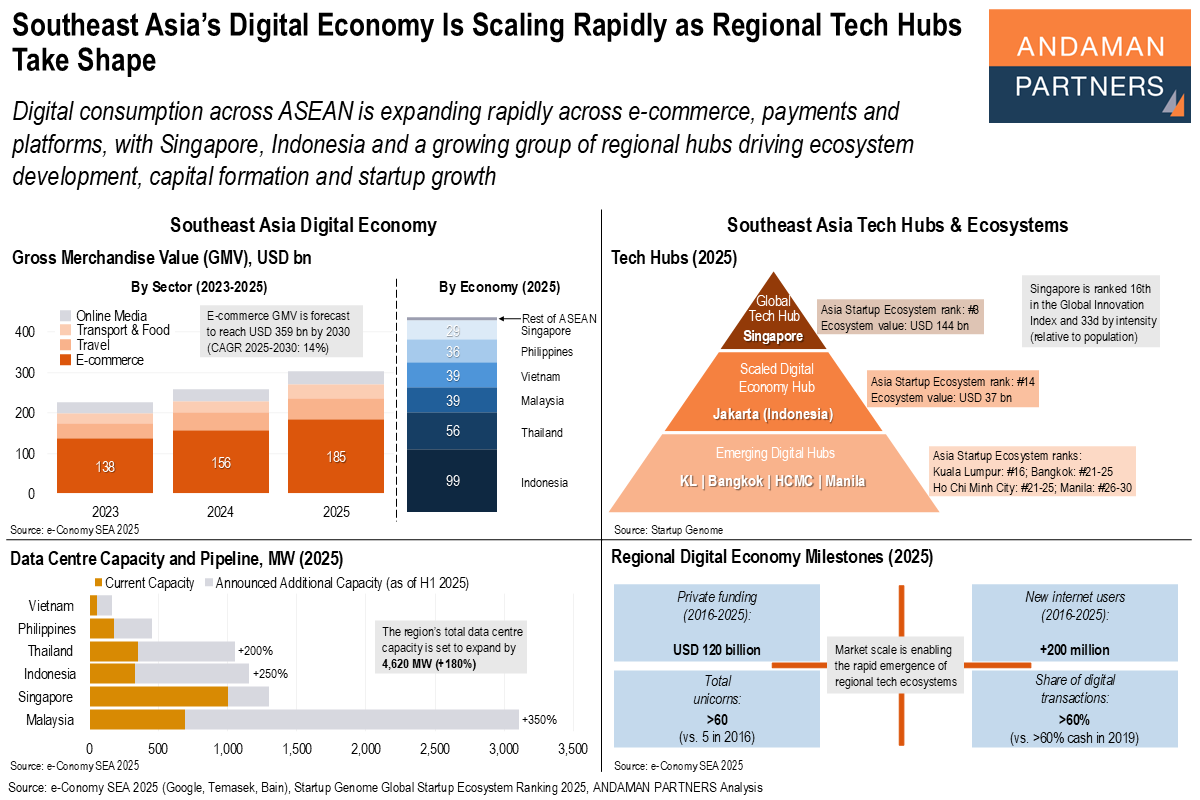
Digital consumption across Southeast Asia is expanding rapidly across e-commerce, payments and platforms.
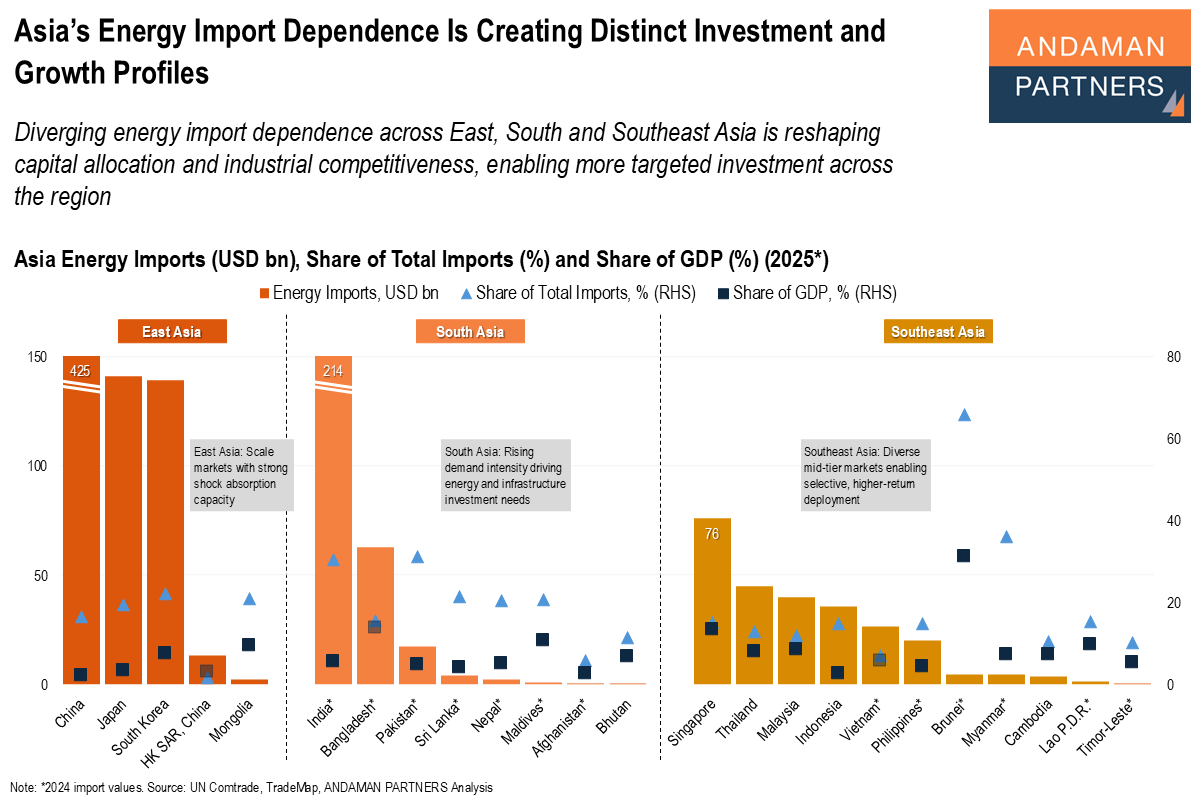
Diverging energy import dependence across Asia is enabling more targeted investment across the region.
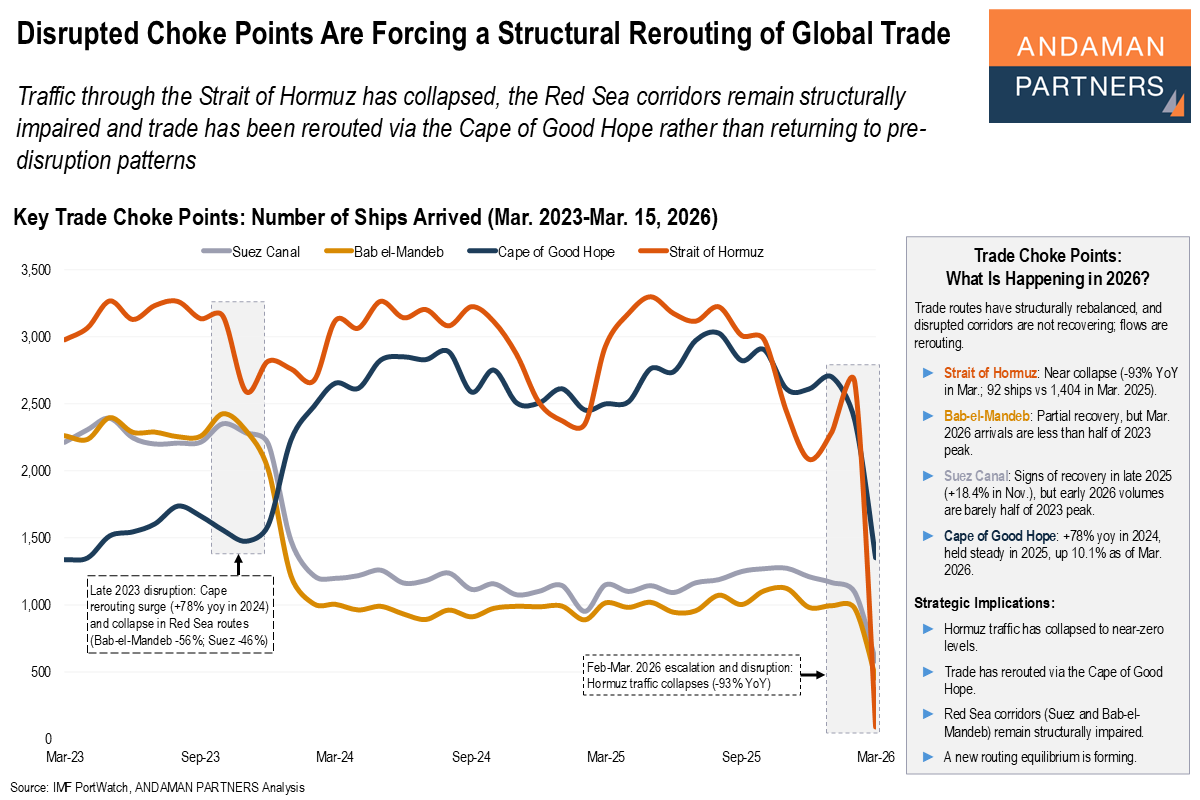
Traffic through the Strait of Hormuz has collapsed, the Red Sea corridors remain structurally impaired and trade has been rerouted via the Cape of Good Hope.
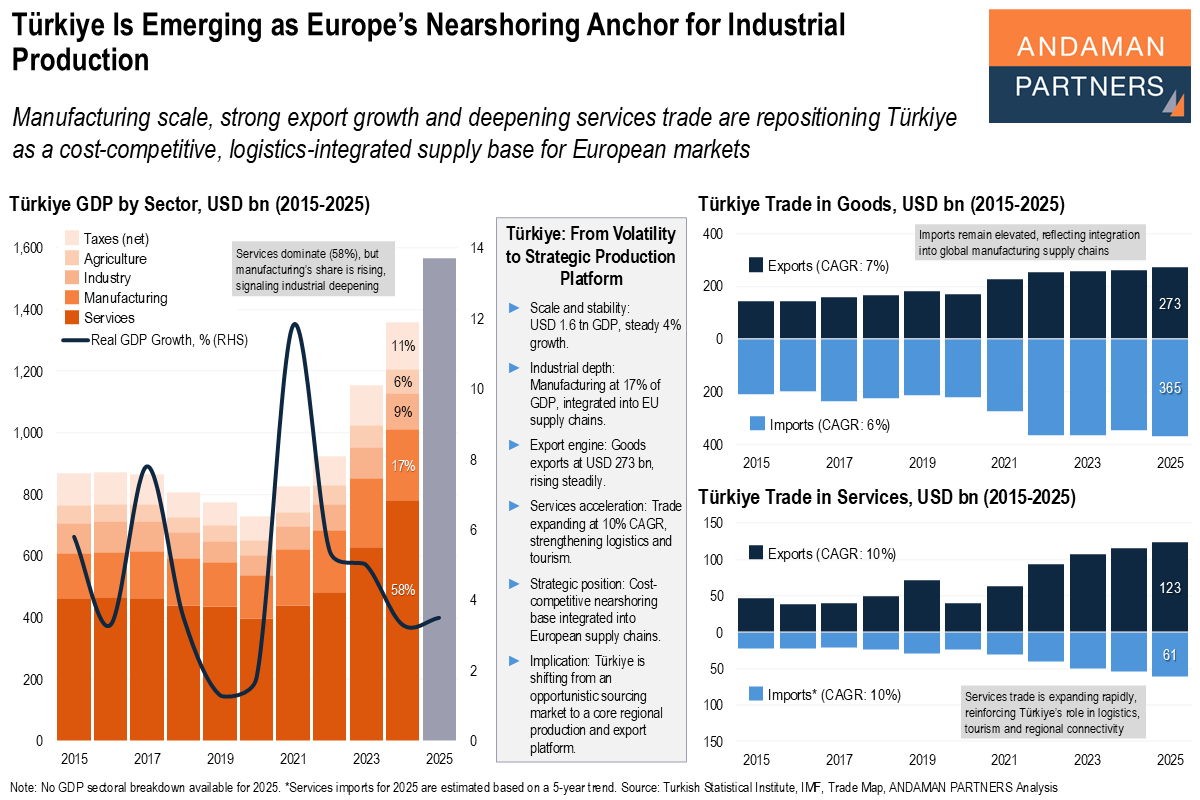
Manufacturing scale, strong export growth and deepening services trade are repositioning Türkiye as a cost-competitive supply base for Europe.
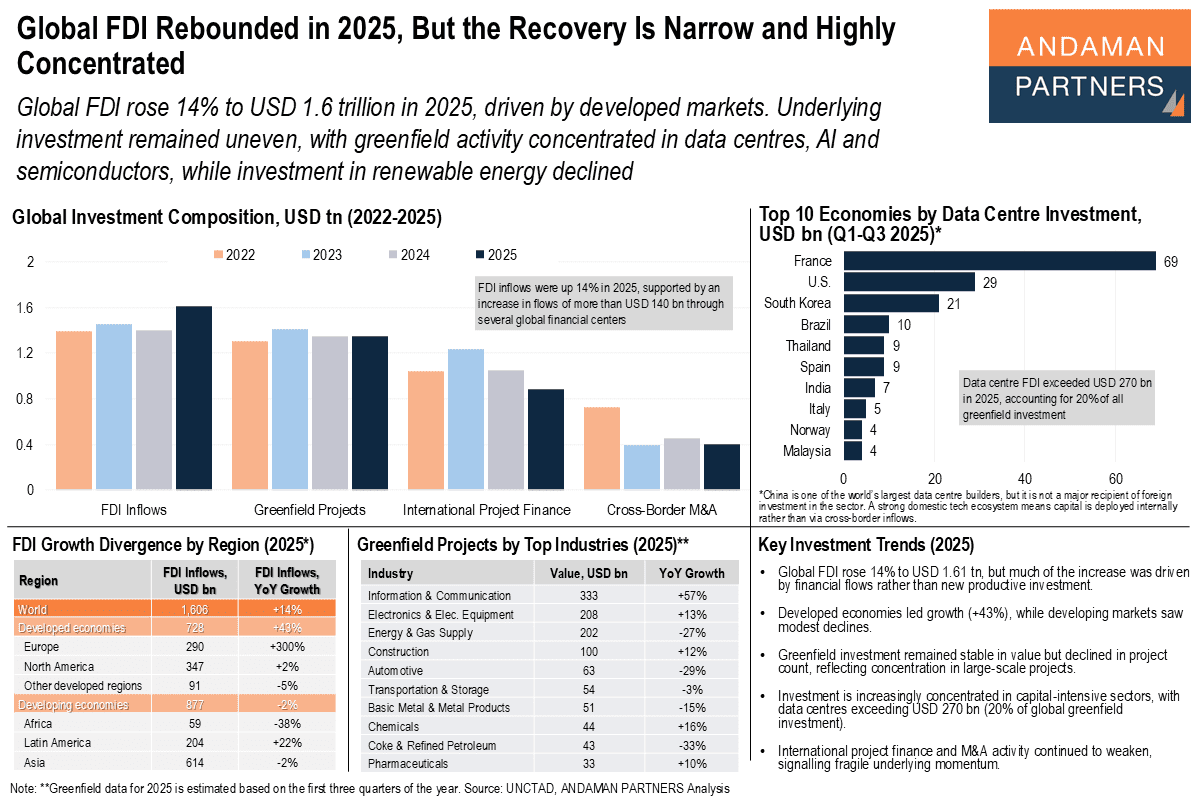
Investment remained uneven, with greenfield activity concentrated in data centres, AI and semiconductors.
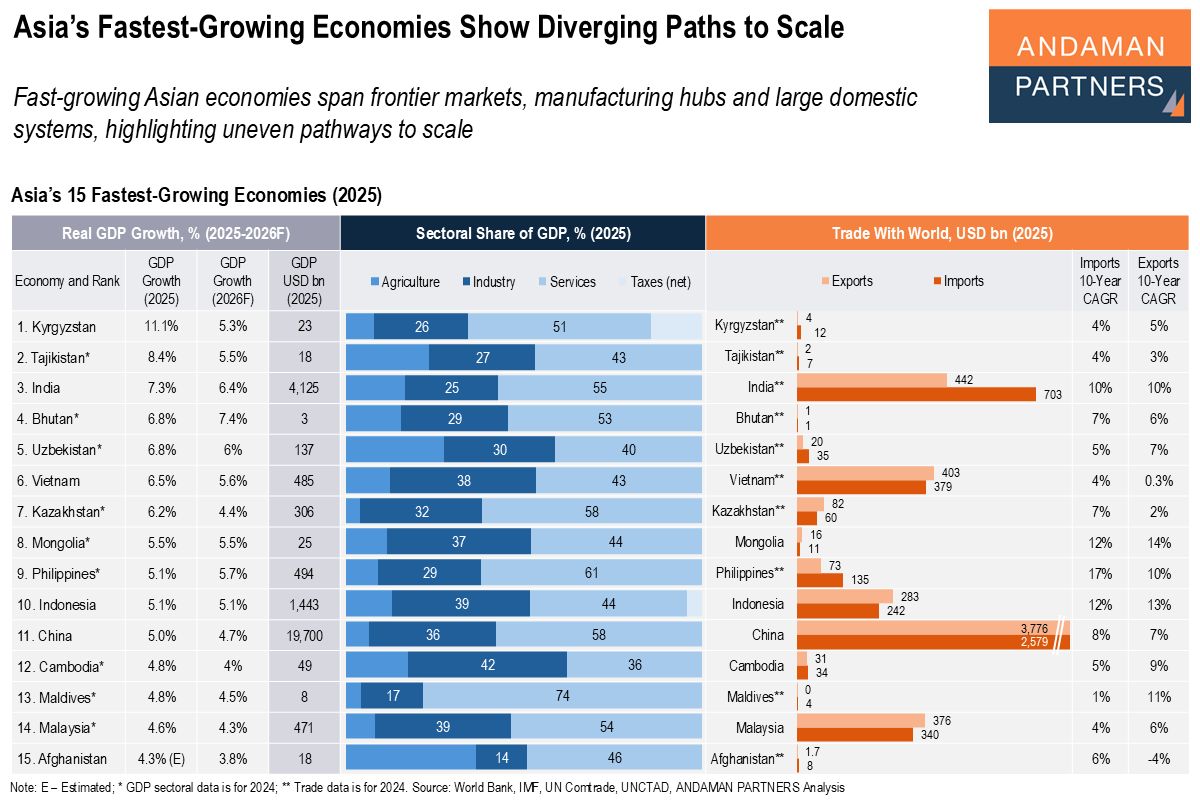
Fast-growing Asian economies span frontier markets, manufacturing hubs and large domestic systems, highlighting uneven pathways to scale.