
How Africa’s Trade Structure Shifted From 2014 to 2024
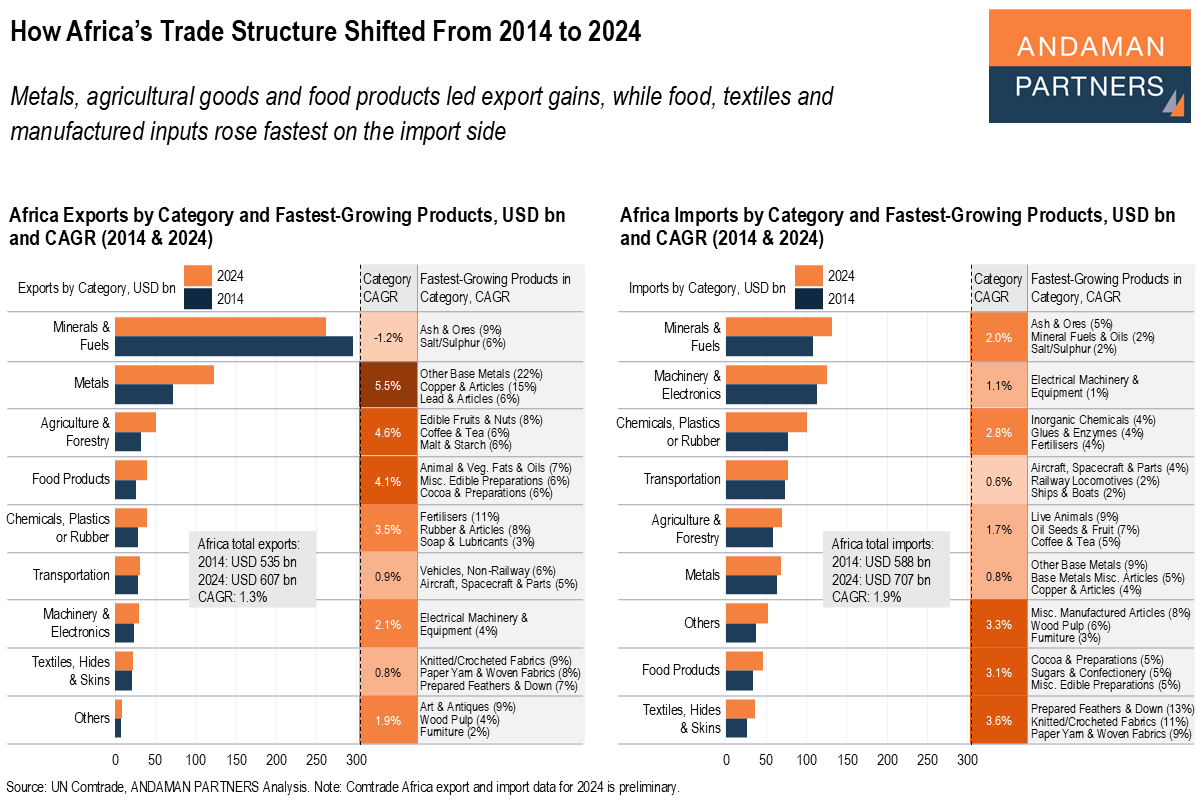
Metals, agricultural goods and food products led export gains, while food, textiles and manufactured inputs rose fastest on the import side.
Africa’s trade structure shifted meaningfully over the past decade; not with dramatic swings, but with steady changes in export and import composition.
Minerals & Fuels remain central to Africa’s exports and the largest category overall, but this category contracted from 2014 (-1.2% CAGR), reflecting both the commodity price cycle and gradual diversification. By contrast, Metals (5.5%), Agricultural Goods (4.6%) and Food Products (4.1%) posted the strongest growth, driven by demand for base metals, copper and edible crops. Fertilisers supported a 3.5% CAGR growth in Chemicals, underscoring gains in downstream processing.
Import patterns indicate a continent that is consuming more, urbanising faster and integrating deeper into global supply chains as industrial and infrastructure investment expands. Minerals & Fuels was the largest import category, growing by 2%. Textiles (3.6%), Other Manufactured Goods (3.3%), and Food Products (3.1%) were the fastest-growing categories, driven by expanding household consumption, more varied food intake and demand for intermediate inputs.
These shifts do not yet signal a wholesale break from resource dependence, but they highlight gradual diversification and the steady pull of domestic markets.
Resources, consumer demand, food systems and digital infrastructure will drive Africa’s next decade of trade. Companies positioned to scale logistics, manufacturing inputs and agricultural value chains will be best placed to capture the continent’s emerging growth curve.
Also by ANDAMAN PARTNERS:
ANDAMAN PARTNERS supports international business ventures and growth. We help launch global initiatives and accelerate successful expansion across borders. If your business, operations or project requires cross-border support, contact connect@andamanpartners.com.

China Keeps Shopping for Services. Are You Selling? By ANDAMAN PARTNERS Co-Founder Rachel Wu
Analysis by ANDAMAN PARTNERS Co-Founder Rachel Wu on Shanghai’s services economy

Shenzhen: Where Entrepreneurs Land and Ideas Take Off by ANDAMAN PARTNERS Co-Founder Rachel Wu
Analysis by ANDAMAN PARTNERS Co-Founder Rachel Wu on what makes the city of Shenzhen different
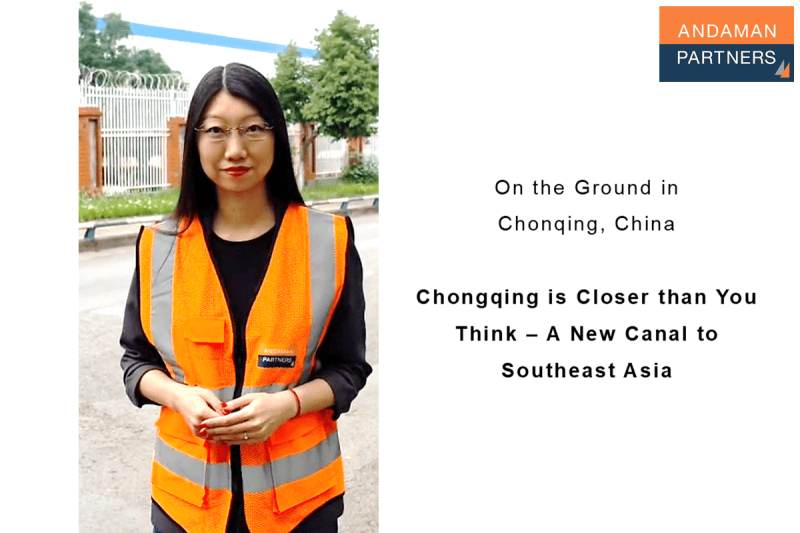
Chongqing Is Closer Than You Think by ANDAMAN PARTNERS Co-Founder Rachel Wu
ANDAMAN PARTNERS Co-Founder Rachel Wu on a new waterway in southern China that is redrawing the map for western China’s trade
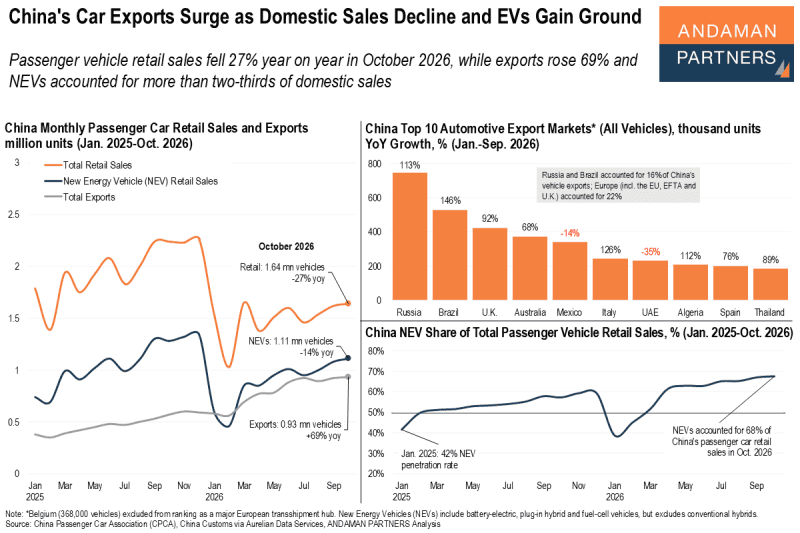
China’s Car Exports Surge as Domestic Sales Decline and EVs Gain Ground
Passenger vehicle retail sales fell 27% year on year in October 2026, while exports rose 69%
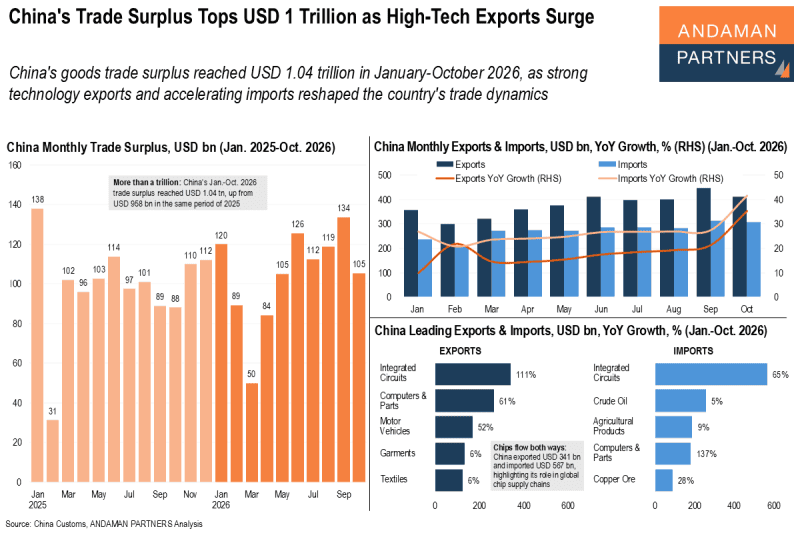
China’s Trade Surplus Tops USD 1 Trillion as High-Tech Exports Surge
China’s goods trade surplus reached USD 1.04 trillion in the first ten months of 2026
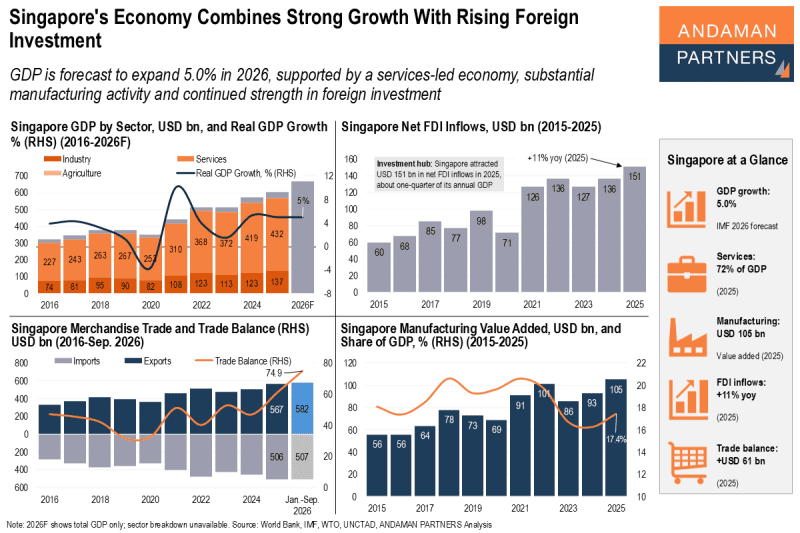
Singapore’s Economy Combines Strong Growth with Rising Foreign Investment
GDP is forecast to expand 5.0% in 2026, supported by a services-led economy