
China: The High-Speed Rail Superpower
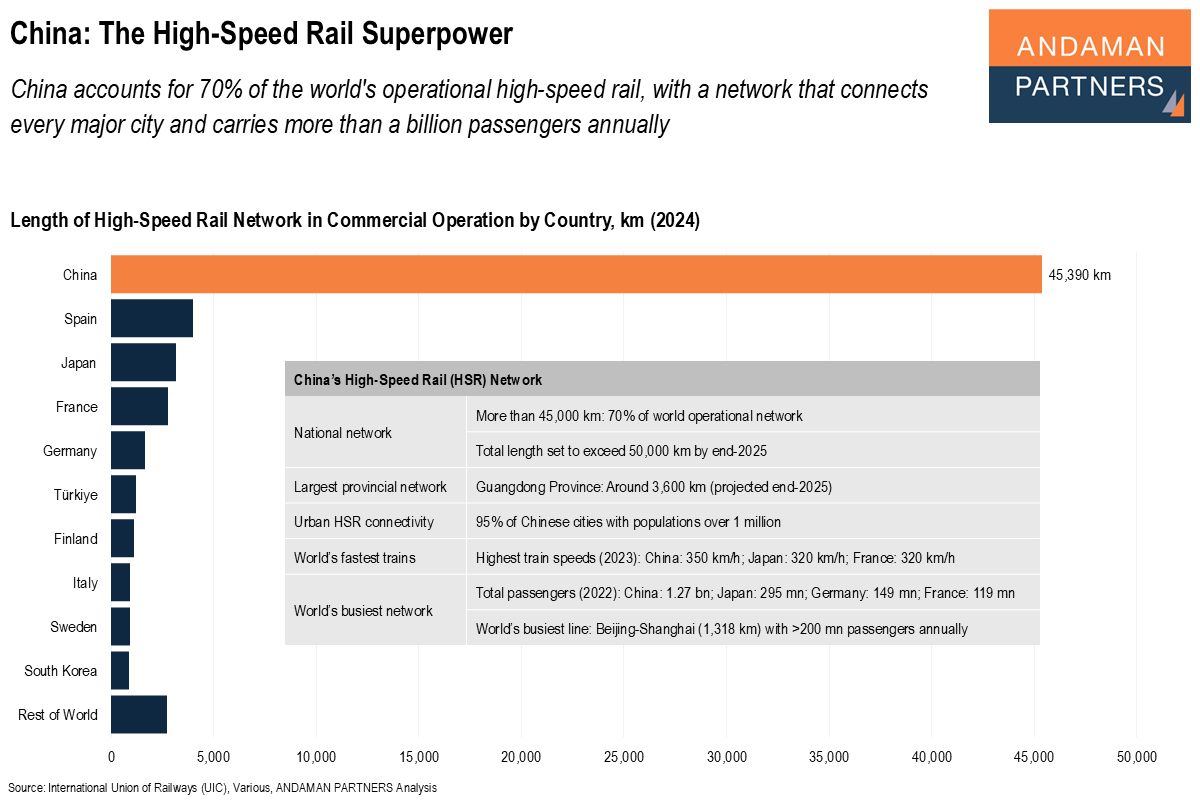
China accounts for 70% of the world’s operational high-speed rail, with a network that connects every major city and carries more than a billion passengers annually.
No other country comes even remotely close to China in high-speed rail. China operates the world’s largest high-speed rail (HSR) network, with more than 45,000 km of lines in commercial service, accounting for 70% of the global total. The closest competitors are Spain (3,993 km) and Japan (3,147 km).
The country’s network is still expanding rapidly. By the end of 2025, the total length is projected to exceed 50,000 km. Guangdong Province alone is expected to have around 3,600 km of HSR lines by late 2025, making it the single largest provincial network in the country.
China’s HSR is designed for mass urban connectivity. Today, 95% of all Chinese cities with populations of more than 1 million are linked to the system, effectively shrinking travel times between economic hubs and creating a dense, fast-moving passenger economy. Trains regularly operate at 350 km/h—the highest commercial speed in the world—ahead of Japan and France (both around 320 km/h).
This scale translates into extraordinary passenger volumes. In 2022, China’s HSR carried 1.27 billion passengers, far surpassing Japan (295 million), Germany (149 million) and France (119 million). The Beijing-Shanghai line alone, a 1,318 km corridor linking the country’s two largest cities, is the busiest high-speed rail line in the world, moving more than 200 million passengers per year.
Beyond speed and capacity, China’s HSR network has become a critical economic backbone, reshaping domestic travel patterns, reducing reliance on air transport and enhancing connectivity between regional city clusters.
Also by ANDAMAN PARTNERS:
ANDAMAN PARTNERS supports international business ventures and growth. We help launch global initiatives and accelerate successful expansion across borders. If your business, operations or project requires cross-border support, contact connect@andamanpartners.com.

A Glance at China’s Consumer Market from Nanjing West Road by ANDAMAN PARTNERS Co-Founder Rachel Wu
Analysis by ANDAMAN PARTNERS Co-Founder Rachel Wu on China’s consumer economy

China Keeps Shopping for Services. Are You Selling? By ANDAMAN PARTNERS Co-Founder Rachel Wu
Analysis by ANDAMAN PARTNERS Co-Founder Rachel Wu on Shanghai’s services economy

Shenzhen: Where Entrepreneurs Land and Ideas Take Off by ANDAMAN PARTNERS Co-Founder Rachel Wu
Analysis by ANDAMAN PARTNERS Co-Founder Rachel Wu on what makes the city of Shenzhen different
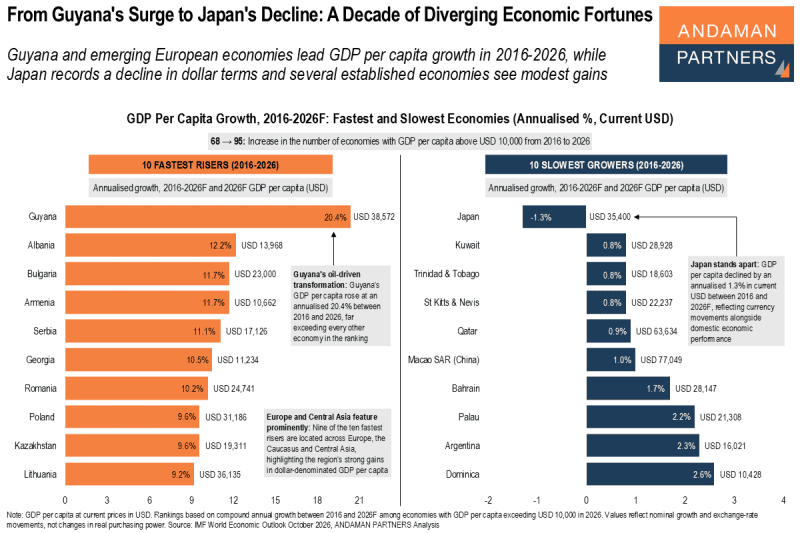
From Guyana’s Surge to Japan’s Decline: A Decade of Diverging Economic Fortunes
Guyana and emerging European economies lead GDP per capita growth in 2016-2026, while Japan records a decline
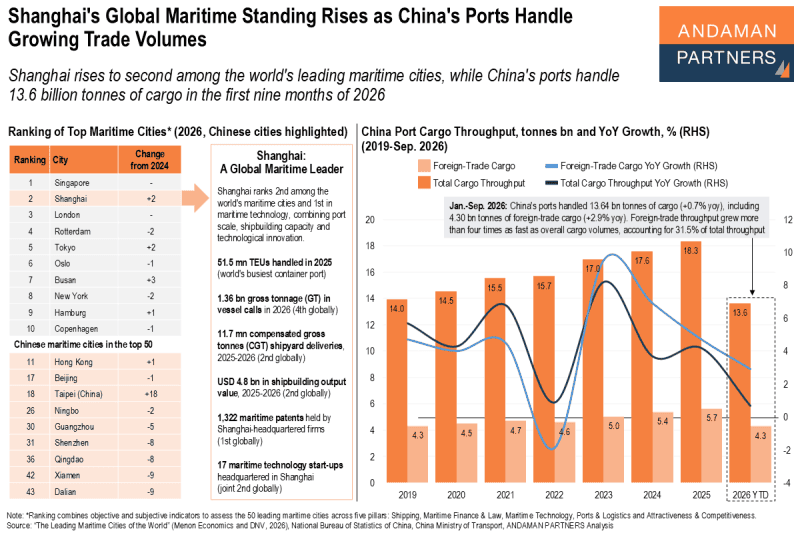
Shanghai’s Global Maritime Standing Rises as China’s Ports Handle Growing Trade Volumes
Shanghai rises to second among the world’s leading maritime cities, while China’s ports handle 13.6 billion tonnes of cargo in 2026
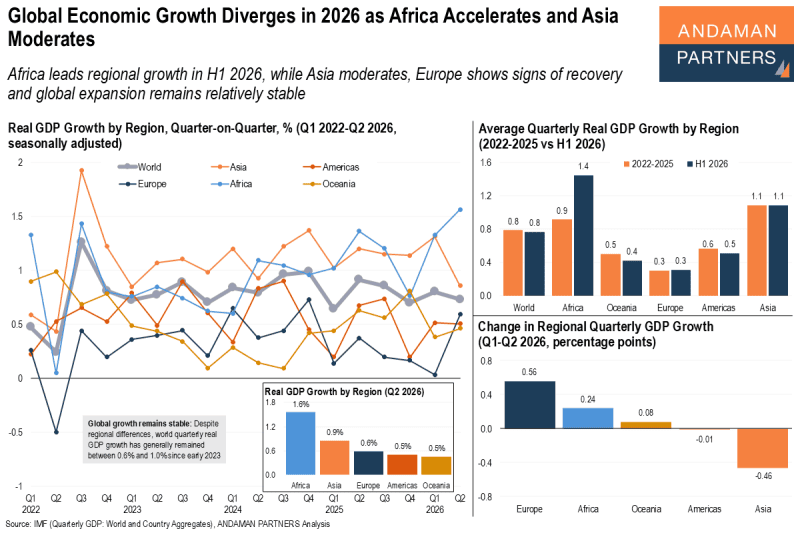
Global Economic Growth Diverges in 2026 as Africa Accelerates and Asia Moderates
Africa leads regional growth in H1 2026, while Asia moderates and Europe shows signs of recovery
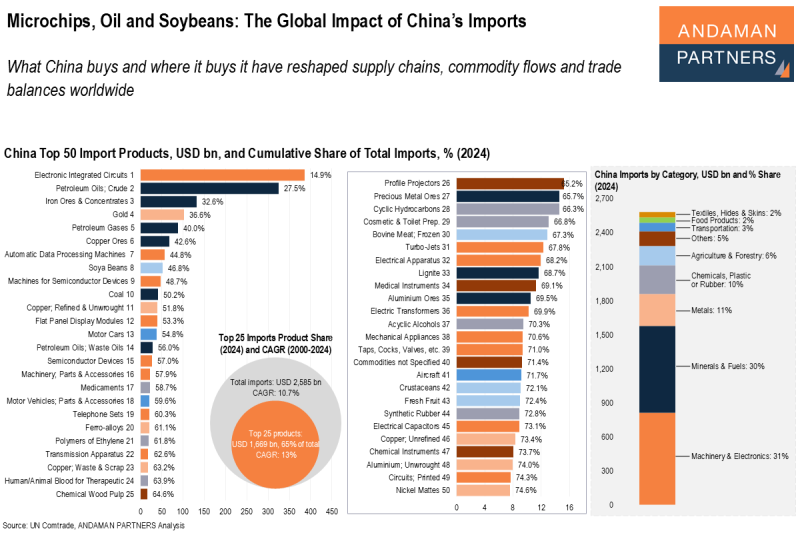
Pingback: China's Freight Volumes Continue to Grow in 2026| ANDAMAN PARTNERS