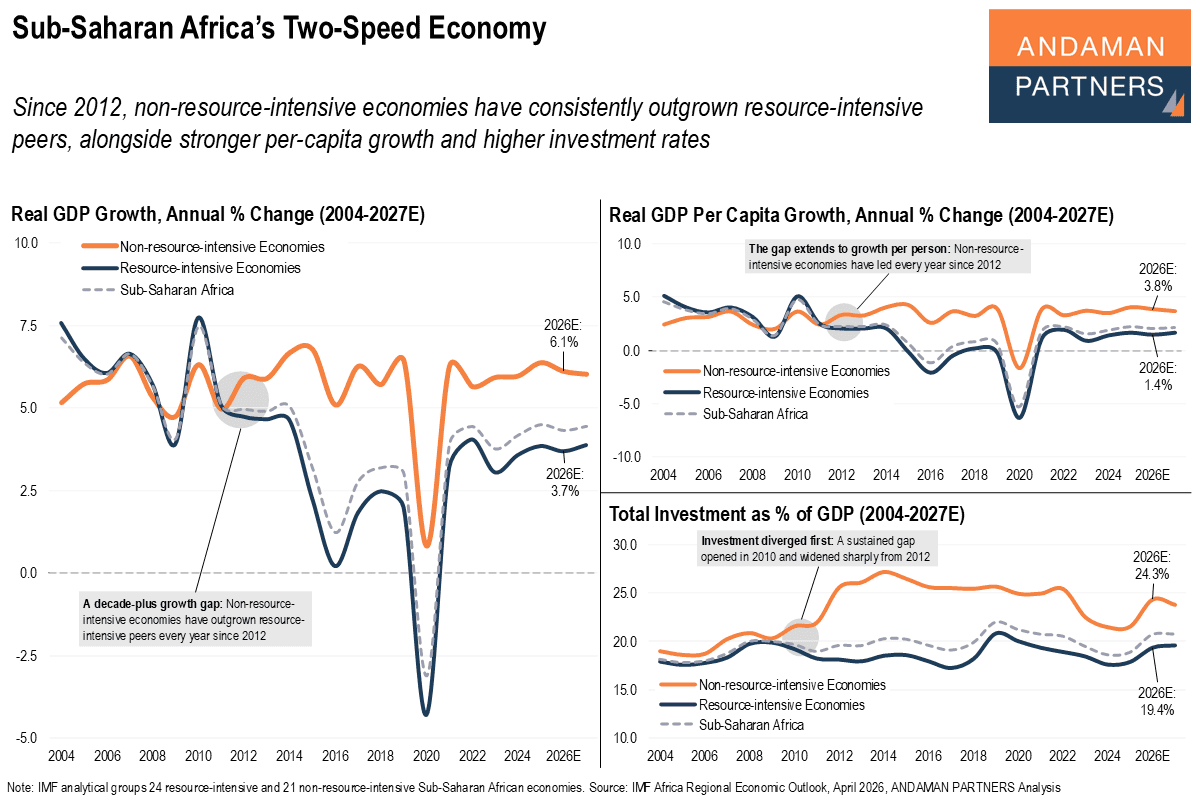
Sub-Saharan Africa’s Two-Speed Economy
Since 2012, non-resource-intensive economies have consistently outgrown resource-intensive peers

Since 2012, non-resource-intensive economies have consistently outgrown resource-intensive peers
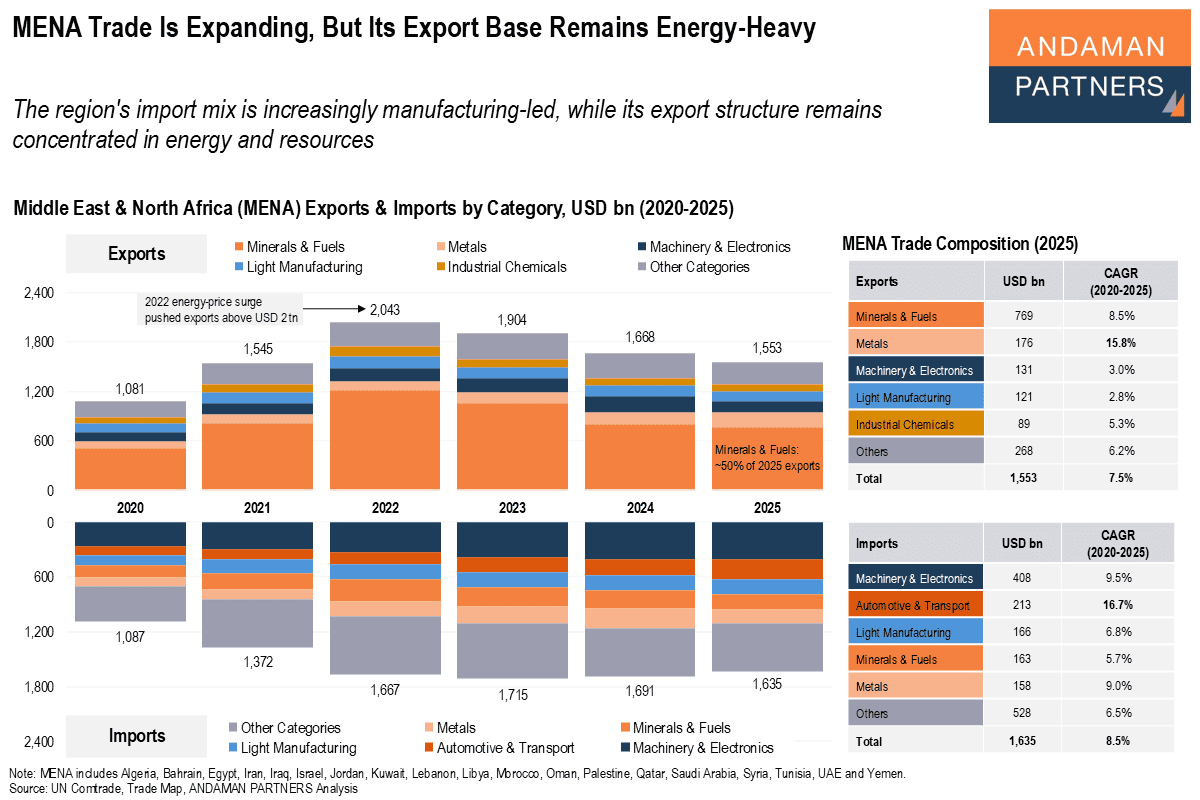
The region's import mix is increasingly manufacturing-led, while its export structure remains concentrated in energy and resources.
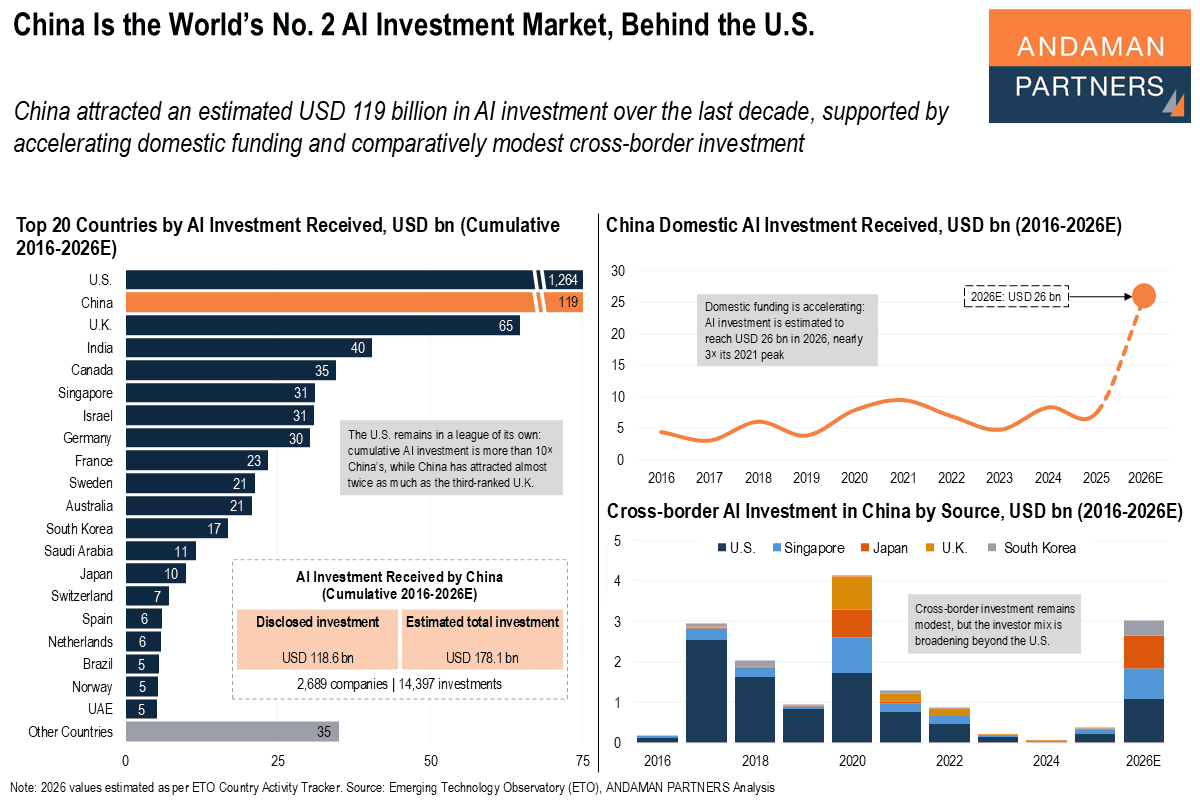
China attracted USD 119 billion in AI investment over the last decade, supported by accelerating domestic funding.
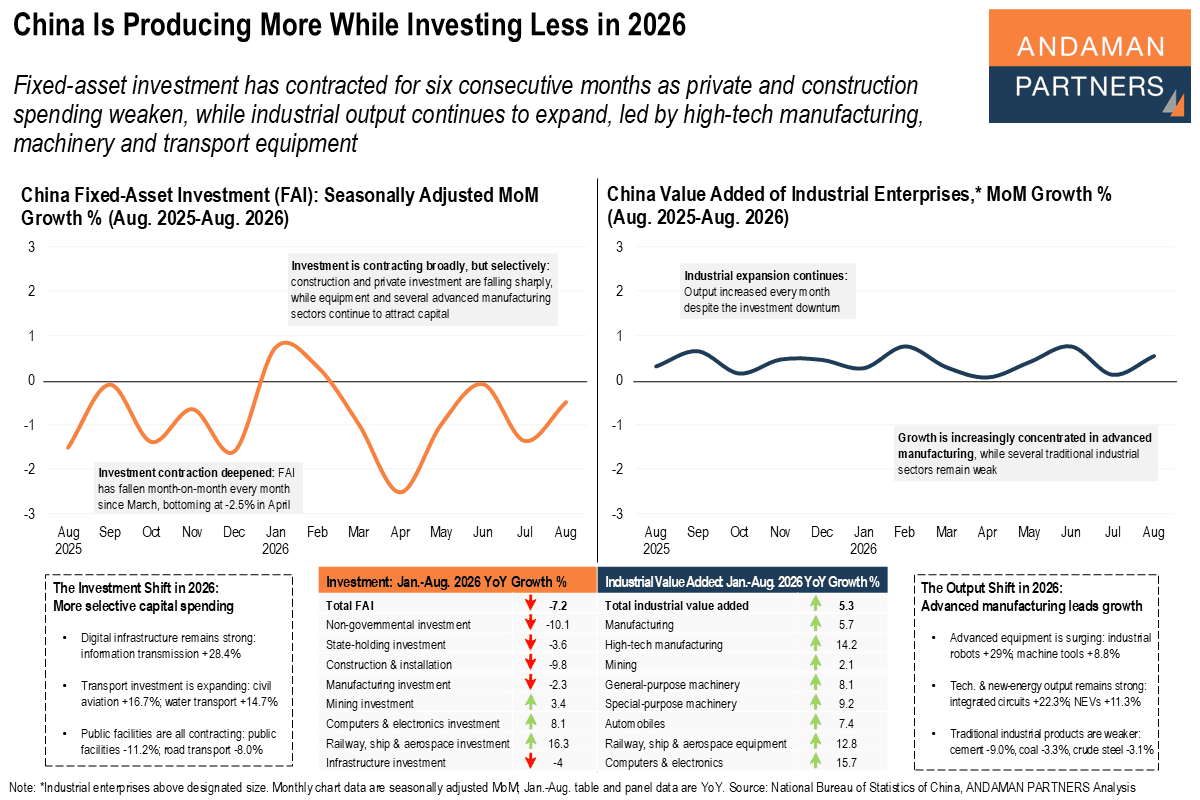
FAI has contracted for six consecutive months as private and construction spending weakens, while industrial output continues to expand.
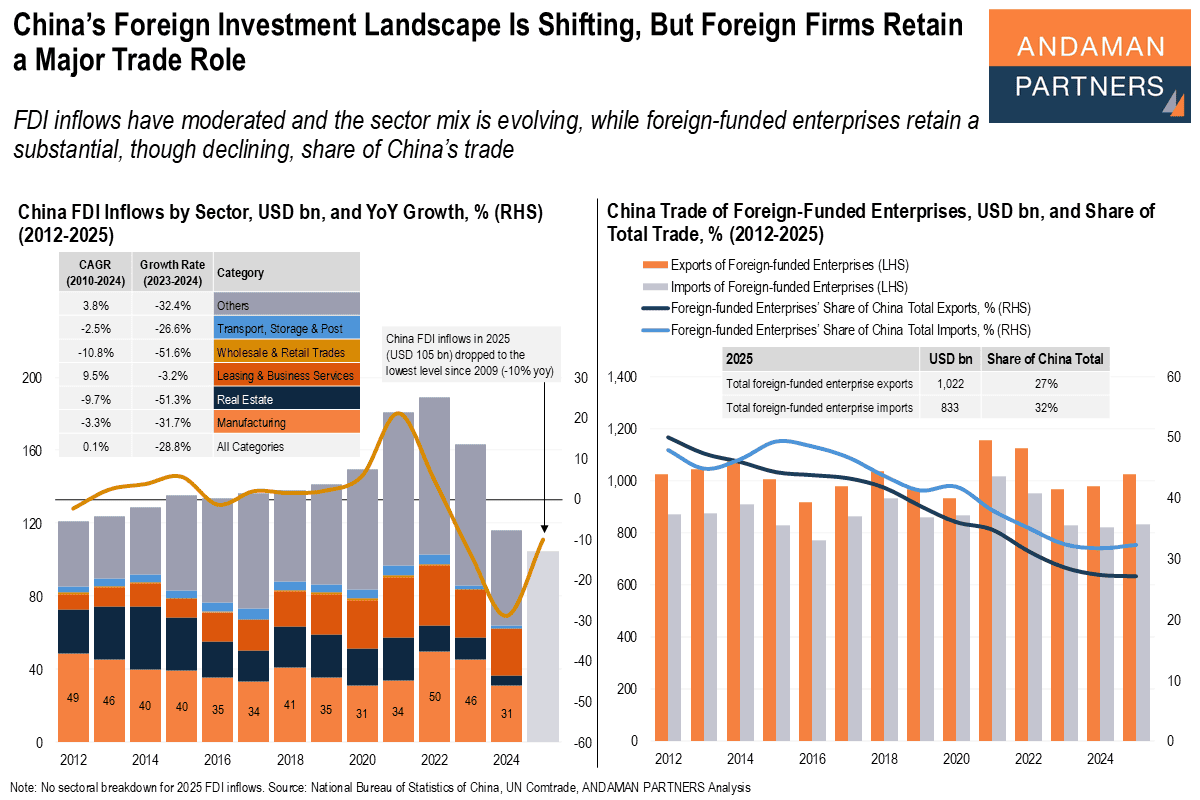
FDI inflows have moderated and the sector mix is evolving, while foreign-funded enterprises retain a substantial, though declining, share of China’s trade.
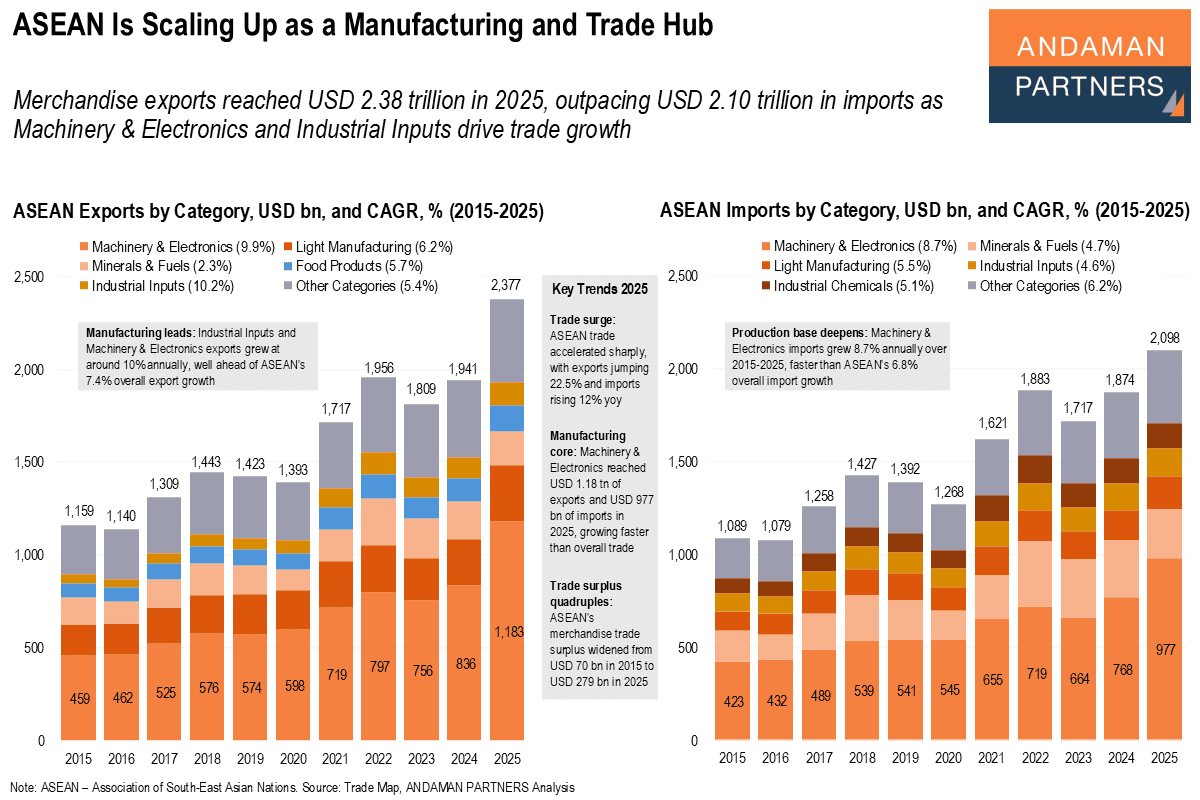
Merchandise exports reached USD 2.38 trillion in 2025, outpacing USD 2.10 trillion in imports
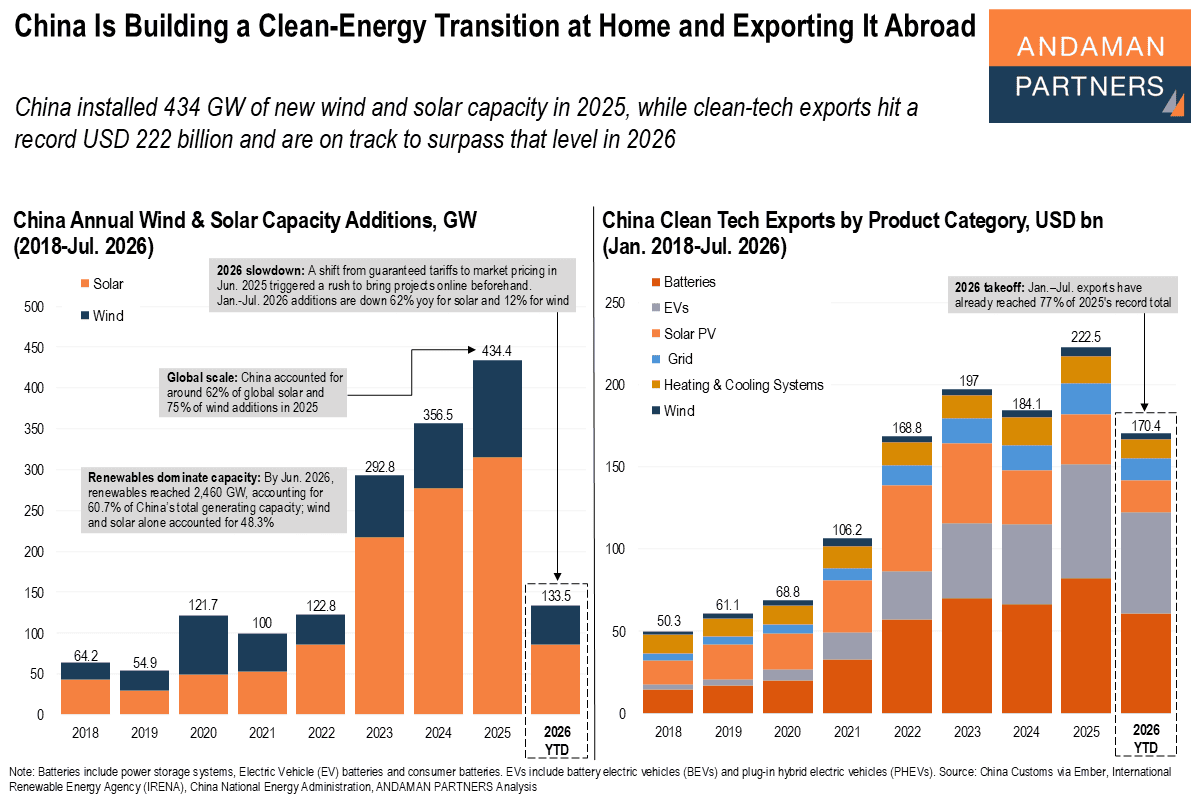
China installed 434 GW of new wind and solar capacity in 2025, while clean-tech exports hit a record level in 2026
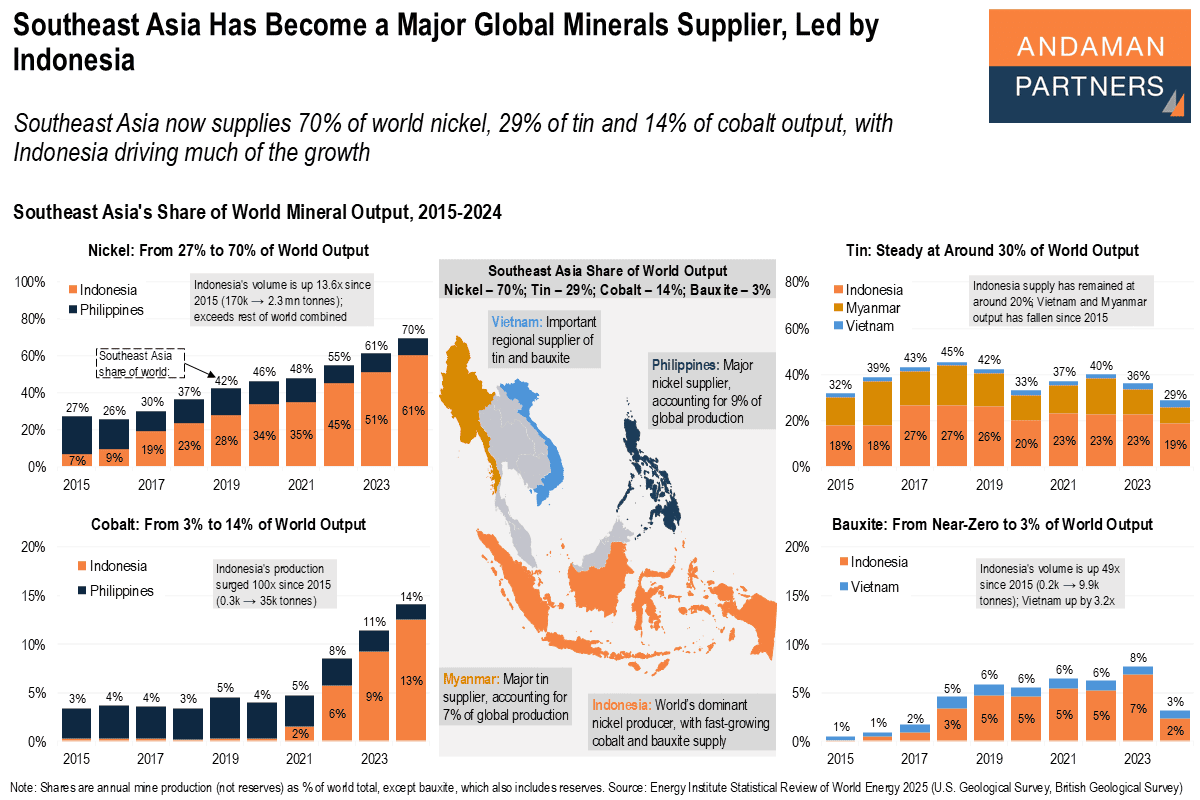
Southeast Asia now supplies 70% of world nickel, 29% of tin and 14% of cobalt output, with Indonesia driving much of the growth
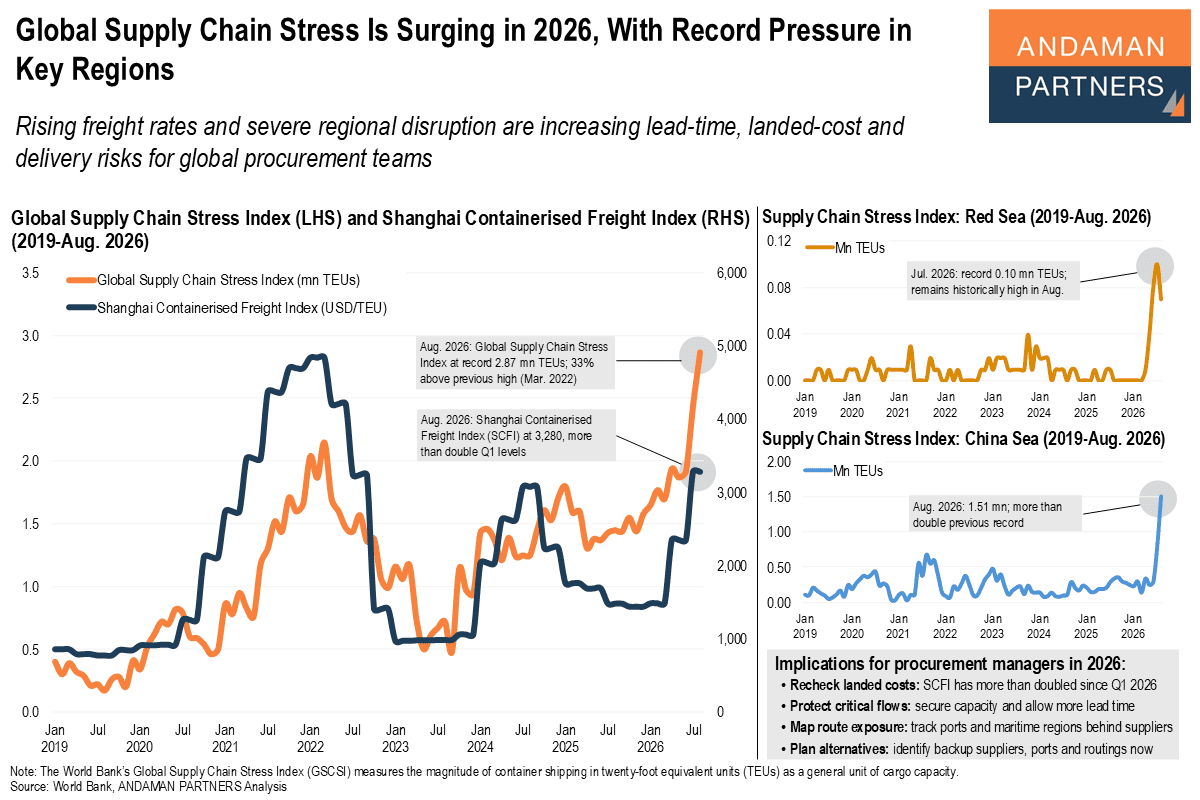
Rising freight rates and severe regional disruption are increasing lead-time, landed-cost and delivery risks for global procurement teams
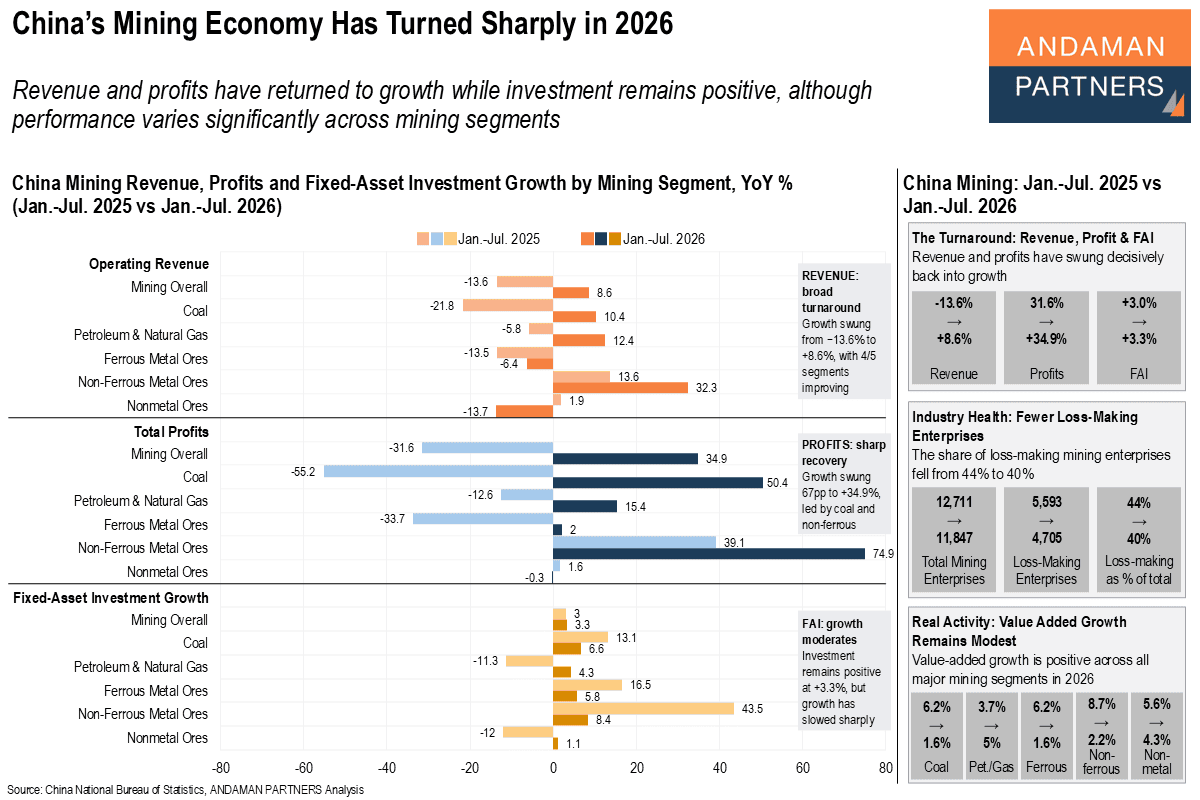
Revenue and profits have returned to growth while investment remains positive, although performance varies significantly across segments