
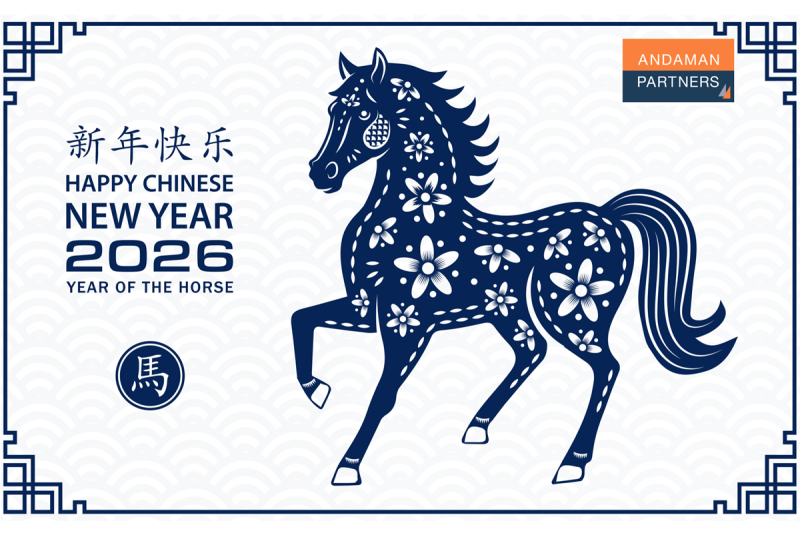
ANDAMAN PARTNERS Wishes You a Happy and Prosperous Year of the Horse!
Compliments of the Chinese Lunar New Year to all our clients, customers, suppliers and partners.
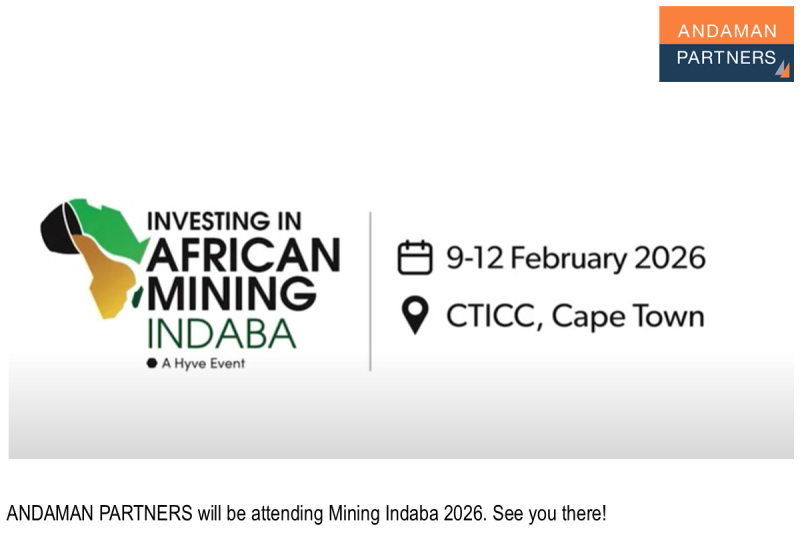
ANDAMAN PARTNERS to Attend Investing in African Mining Indaba 2026 in Cape Town
ANDAMAN PARTNERS Co-Founders Kobus van der Wath and Rachel Wu will attend Investing in African Mining Indaba 2026 in Cape Town, South Africa.
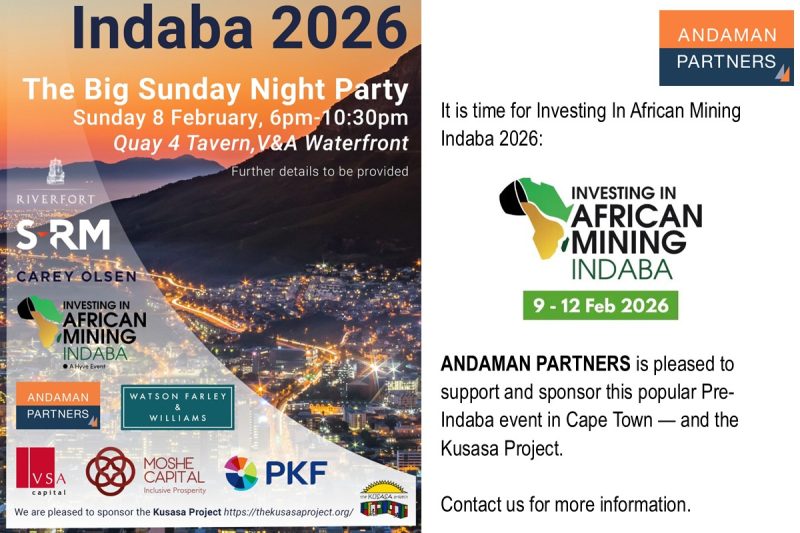
Join ANDAMAN PARTNERS at Networking Event in Cape Town Ahead of Mining Indaba 2026
ANDAMAN PARTNERS is pleased to support and sponsor this popular Pre-Indaba event in Cape Town.
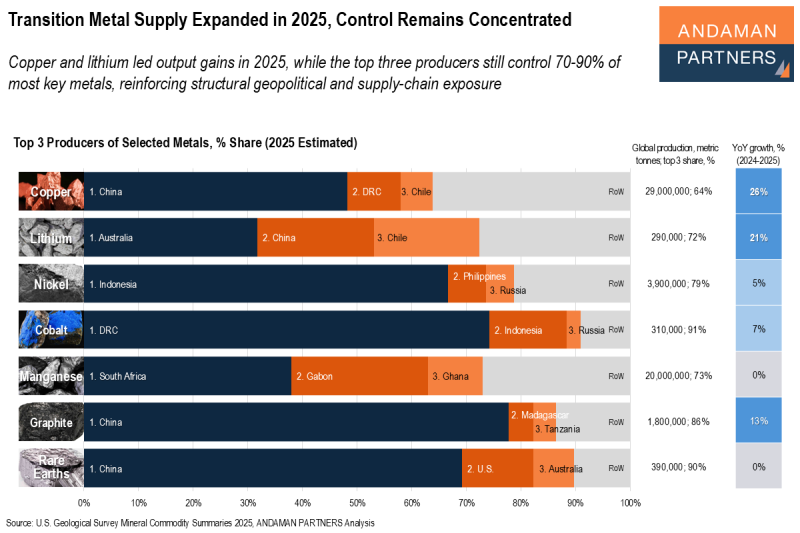
Transition Metal Supply Expanded in 2025, Control Remains Concentrated
Copper and lithium led output gains in 2025, while the top three producers still control 70-90% of most key metals.
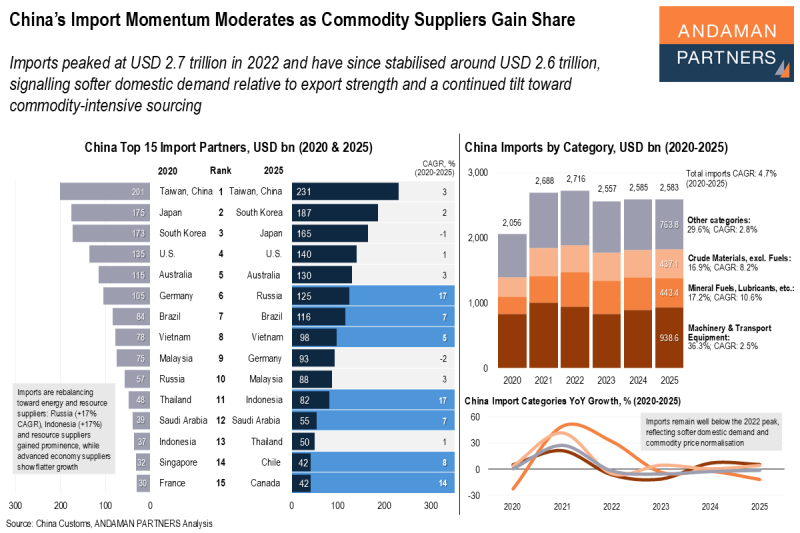
China’s Import Momentum Moderates as Commodity Suppliers Gain Share
Imports have stabilised around USD 2.6 trillion, signalling softer domestic demand and a continued tilt toward commodity-intensive sourcing.
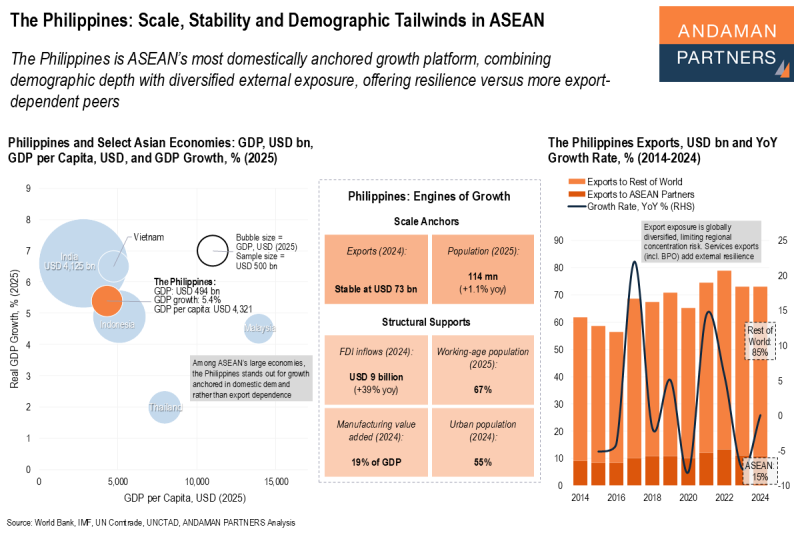
The Philippines: Scale, Stability and Demographic Tailwinds in ASEAN
The Philippines is ASEAN’s most domestically anchored growth platform, combining demographic depth with diversified external exposure.