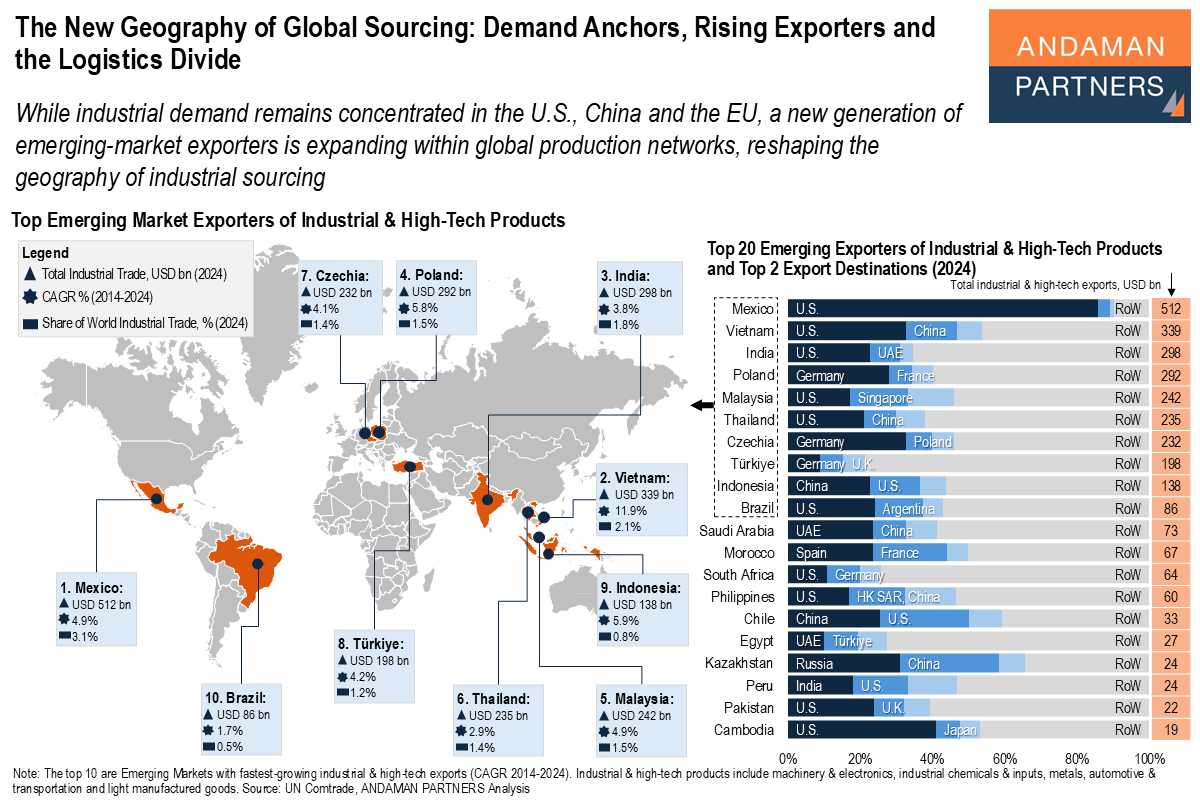
The New Geography of Global Sourcing: Demand Anchors, Rising Exporters and the Logistics Divide
Industrial demand is concentrated in the U.S., China and the EU, while a new generation of emerging markets is expanding in global production.

Industrial demand is concentrated in the U.S., China and the EU, while a new generation of emerging markets is expanding in global production.
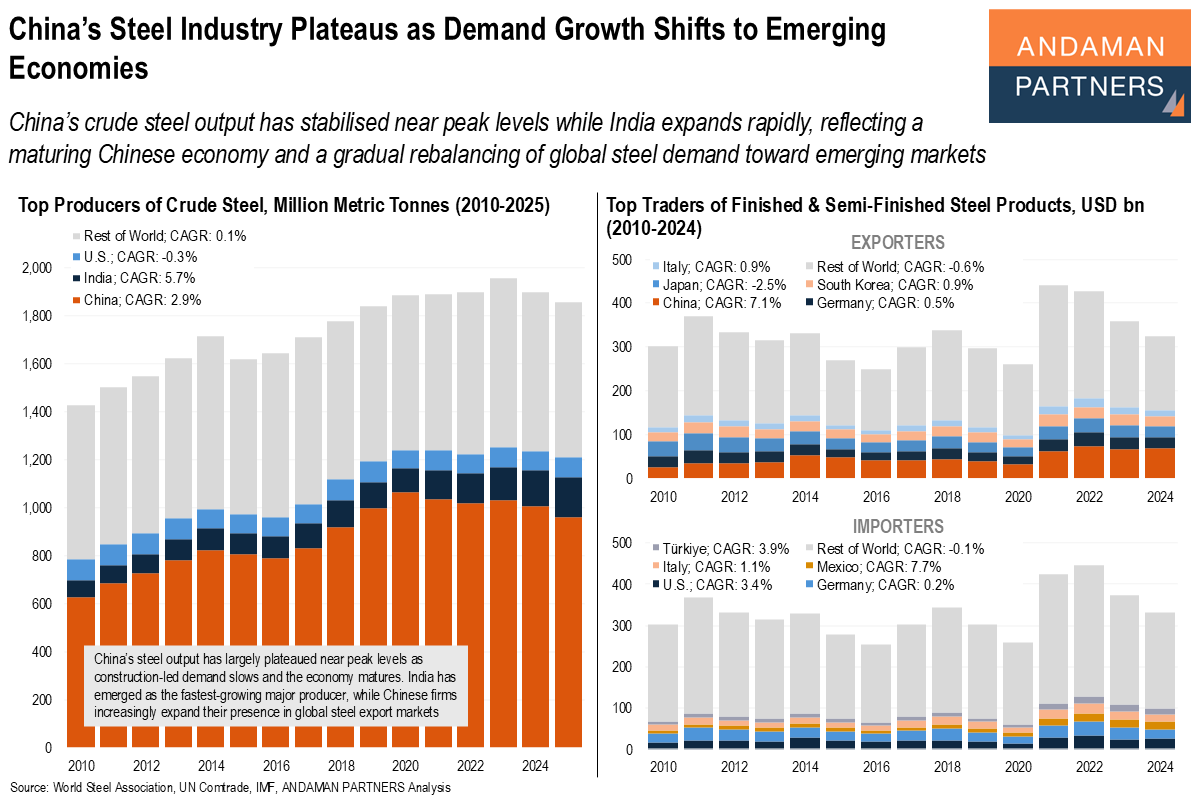
China’s crude steel output has stabilised near peak levels while India expands rapidly, reflecting a gradual rebalancing of global steel demand.
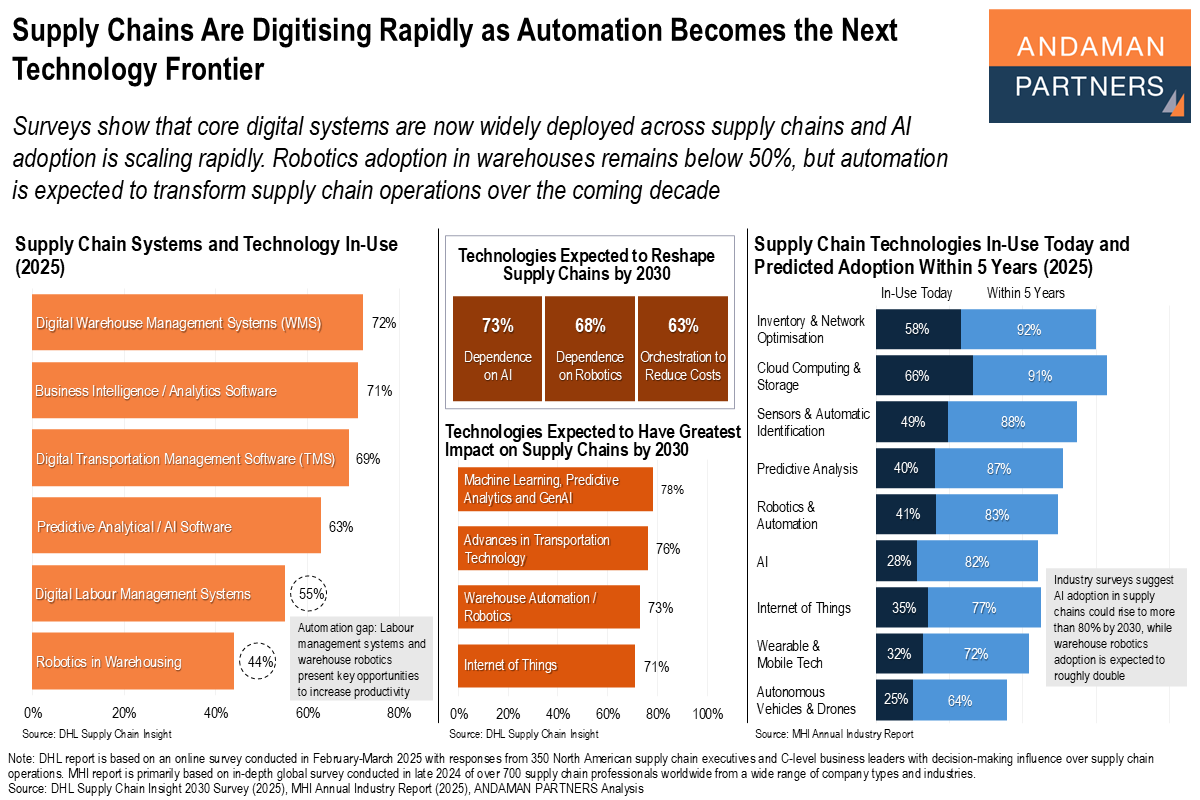
Surveys show that core digital systems are widely deployed across supply chains, and automation is expected to transform them in coming years.
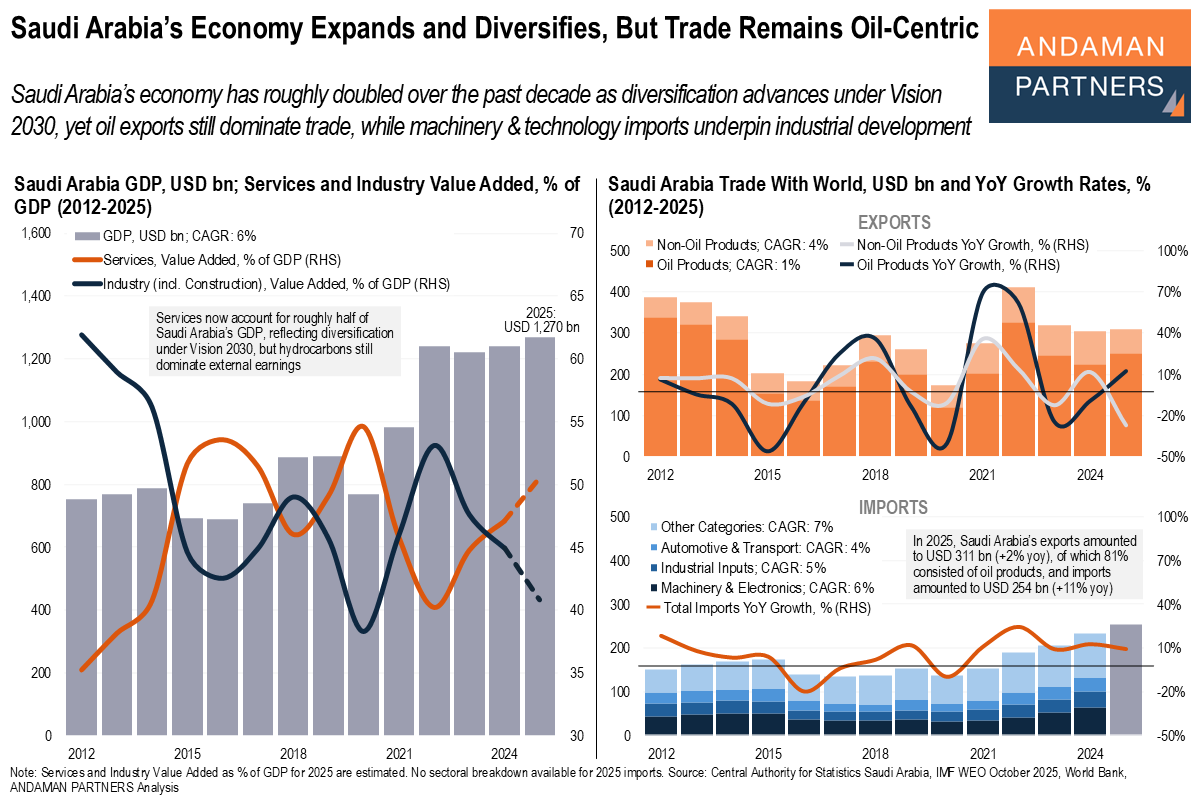
Saudi Arabia’s economy has roughly doubled over the past decade, yet oil exports still dominate trade.
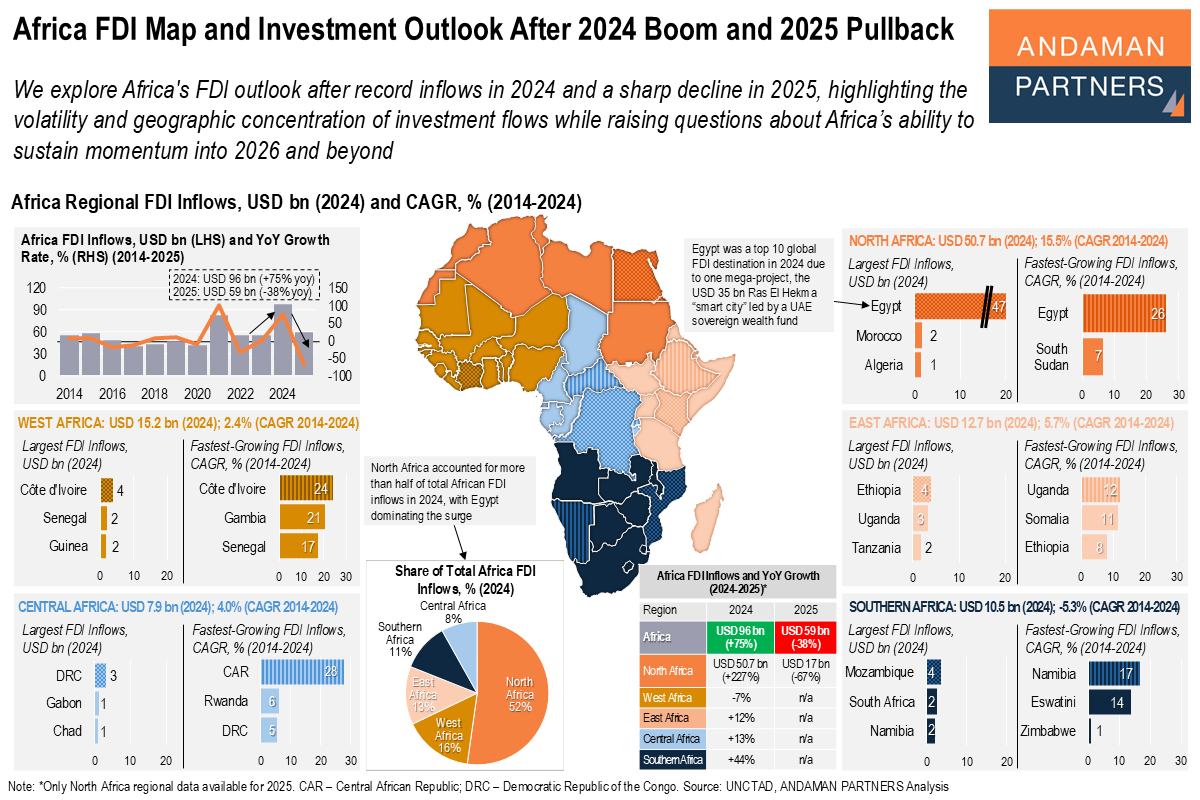
The volatility and geographic concentration of investment flows raises questions about Africa’s ability to sustain momentum into 2026 and beyond.
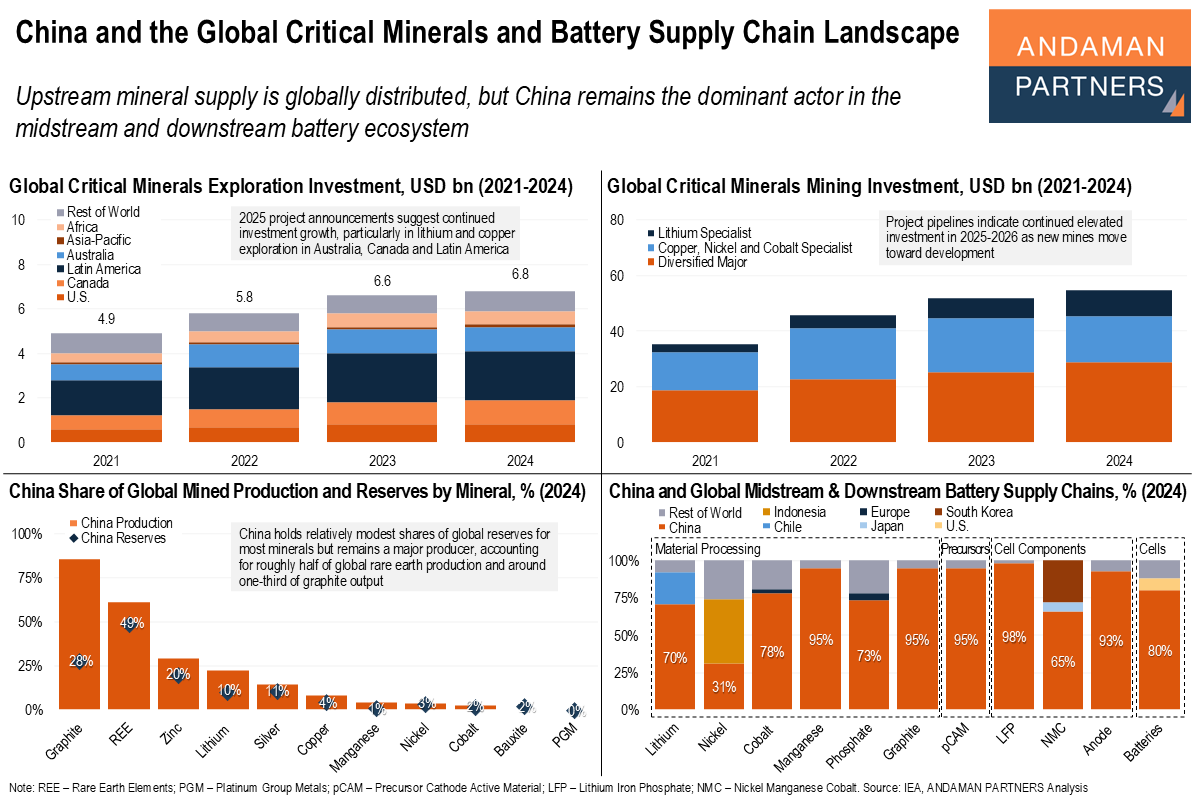
Upstream mineral supply is globally distributed, but China remains the dominant actor in the midstream and downstream battery ecosystem.
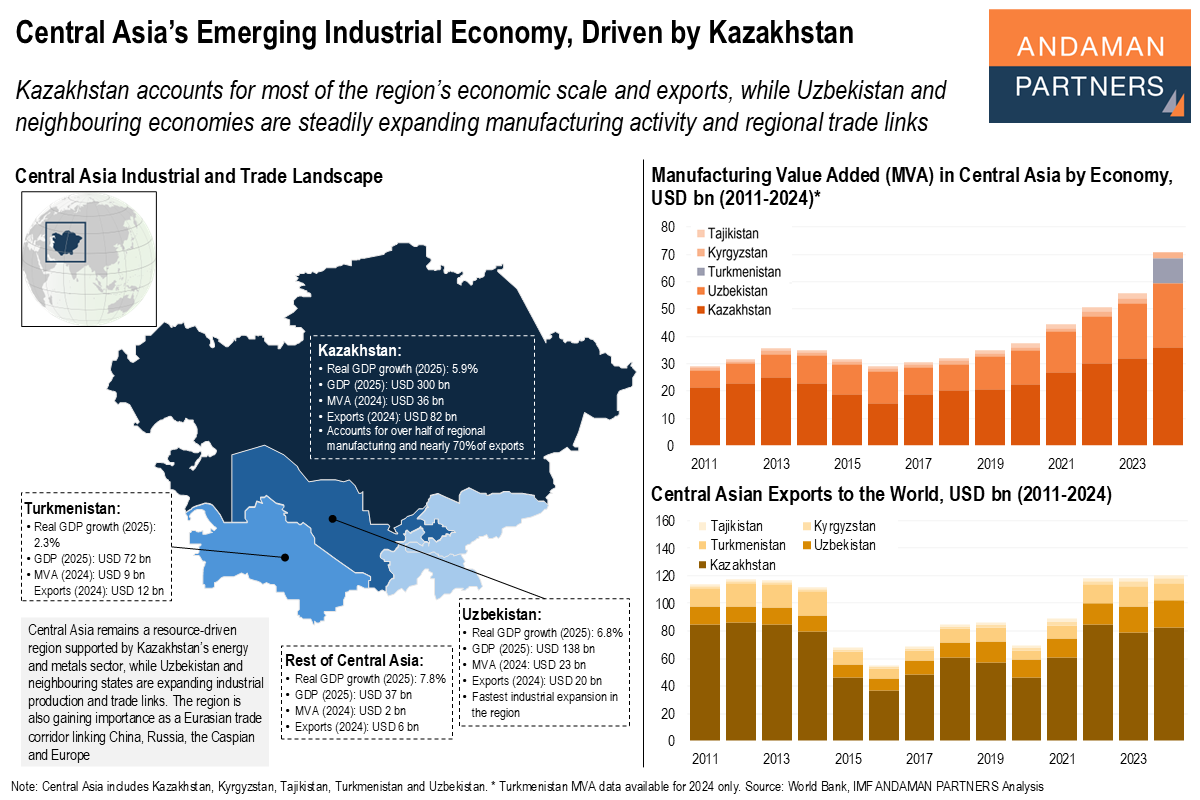
Kazakhstan accounts for the region’s economic scale, while Uzbekistan and neighbouring economies are expanding manufacturing and trade.

India provides the region's industrial scale and Bangladesh is driving the fastest export-led expansion.
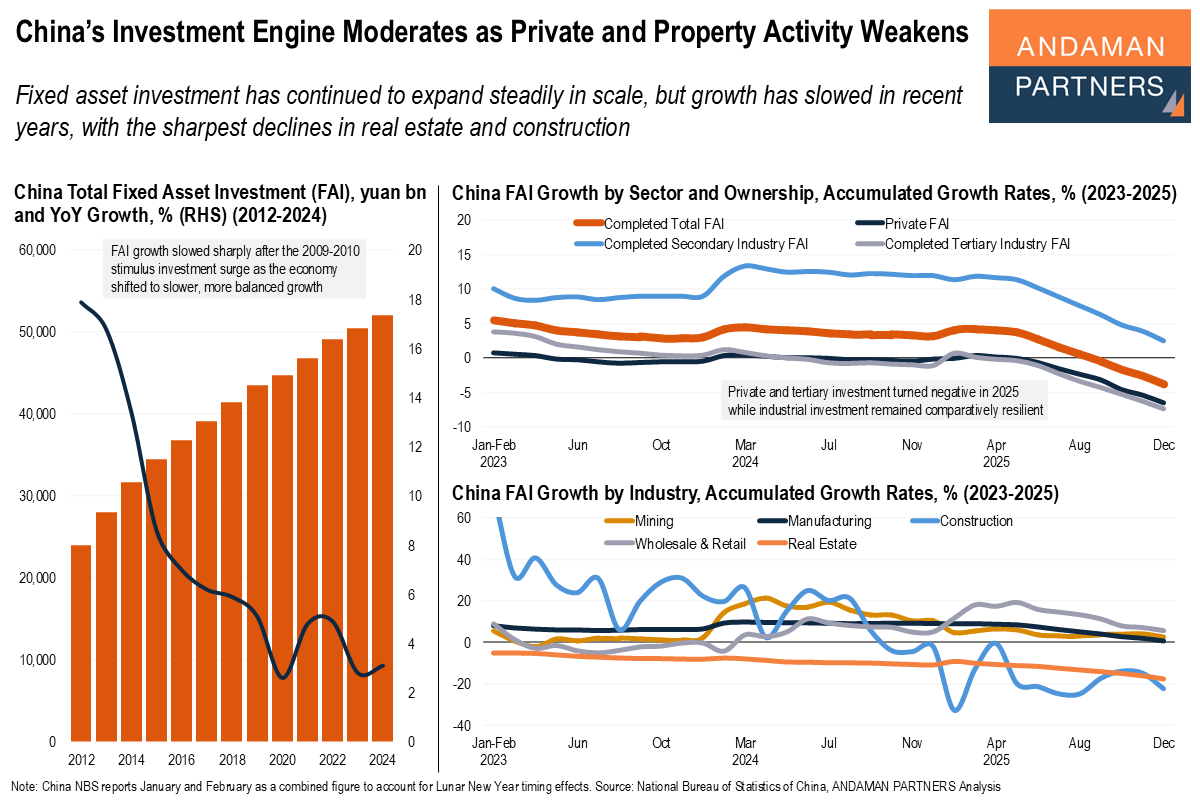
Fixed asset investment has continued to expand steadily, but growth has slowed in recent years, with the sharpest declines in real estate and construction.
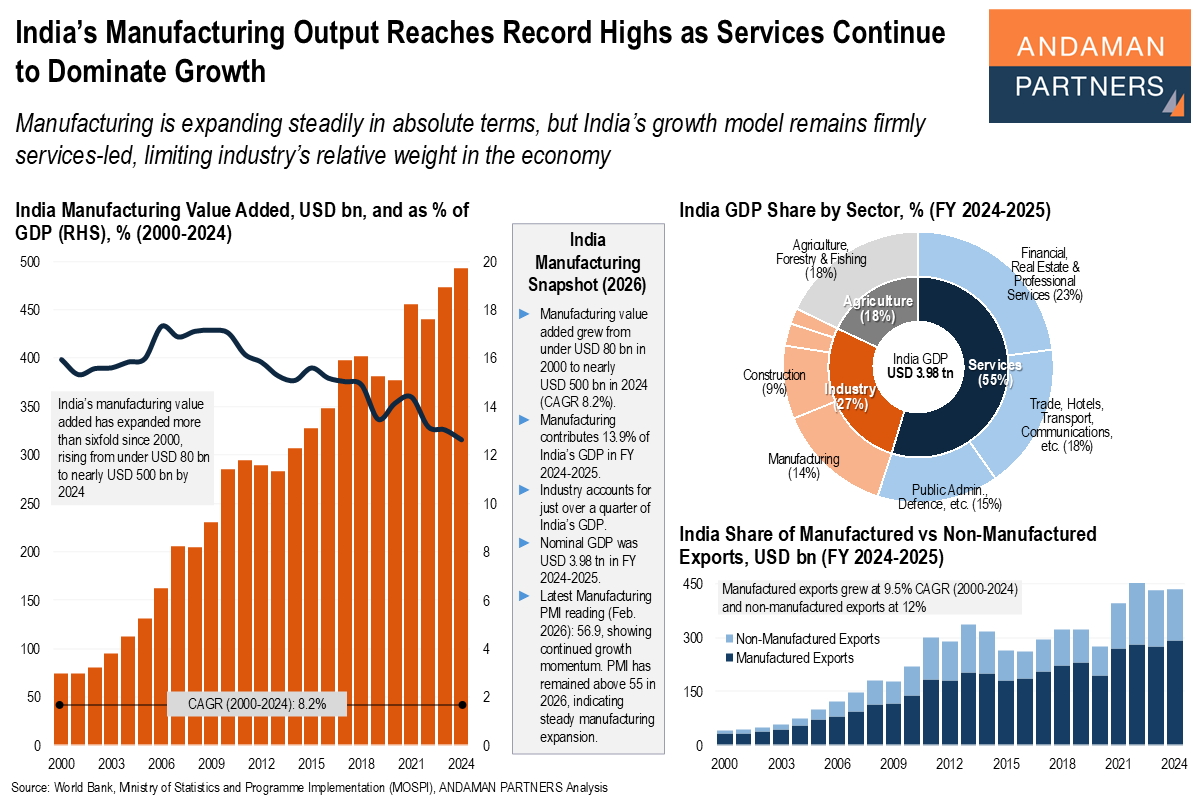
Manufacturing is expanding steadily in absolute terms, but India’s growth model remains firmly services-led.