Supply Chain Stress Remains Elevated in 2026
Supply Chain Stress Remains Elevated in 2026, Demanding Clear Procurement Leadership
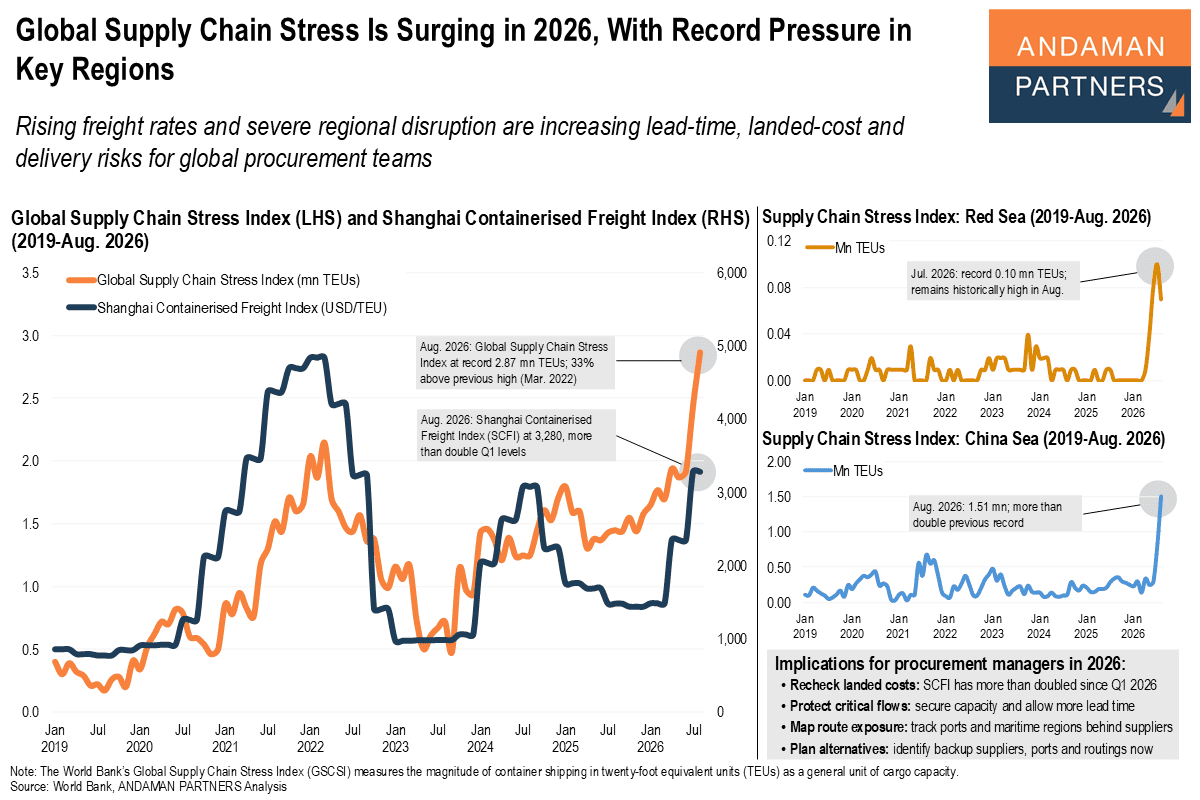
Global Supply Chain Stress Is Surging in 2026
Rising freight rates and severe regional disruption are increasing lead-time, landed-cost and delivery risks for global procurement teams.
Global supply chains are coming under renewed pressure in 2026. Supply-chain stress means more containers being caught up in delays, congestion and longer journeys through the global shipping system. The World Bank’s Global Supply Chain Stress Index reached a record 2.87 million TEUs in August, 33% above its previous 2022 high, while the Shanghai Containerised Freight Index has more than doubled since Q1.
The pressure is global but highly uneven across maritime regions. Several remain elevated, while a smaller number have seen exceptional increases in 2026. Two of the clearest are the China Sea, where stress has more than doubled its previous record, and the Red Sea, which reached a record high in July.
For procurement teams, this means that a competitive supplier price increasingly tells only part of the story. Higher freight rates, longer lead times and disruption along critical shipping corridors can quickly increase the true landed cost of an input or delay its arrival altogether. Diversifying suppliers does not necessarily diversify risk if those suppliers ultimately depend on the same ports and shipping routes.
The practical response is straightforward: recheck landed costs, allow more time for critical shipments, understand the routes behind key suppliers and identify alternative suppliers, ports and routings before they are needed. In 2026, procurement resilience is increasingly about knowing not only what you buy and from whom, but how it gets to you.
Also by ANDAMAN PARTNERS:
ANDAMAN PARTNERS supports international business ventures and growth. We help launch global initiatives and accelerate successful expansion across borders. If your business, operations or project requires cross-border support, contact connect@andamanpartners.com.

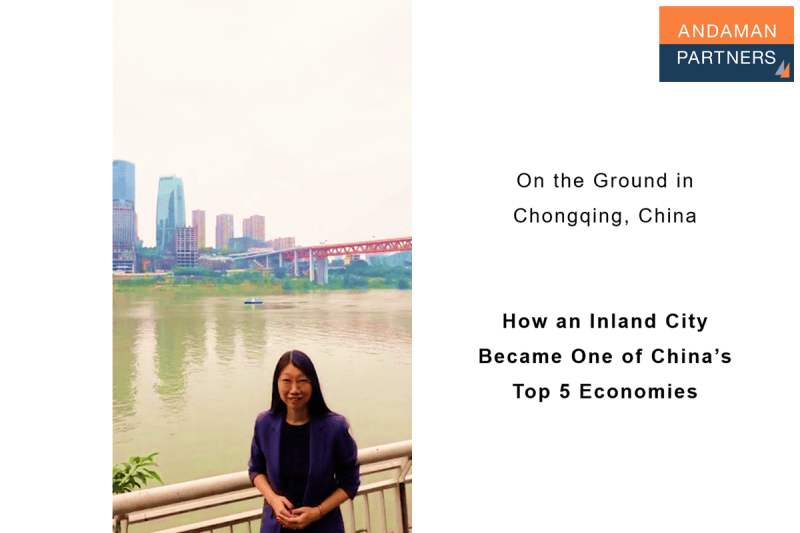
How an Inland City Became One of China’s Top 5 Economies by ANDAMAN PARTNERS Co-Founder Rachel Wu
Analysis by ANDAMAN PARTNERS Co-Founder Rachel Wu on how Chongqing became one of China’s top 5 economies
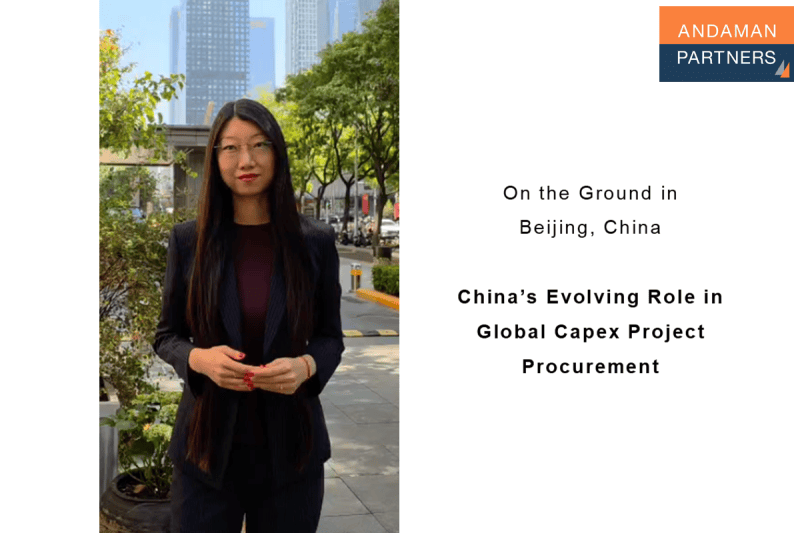
China’s Role in Global Capex Project Procurement by ANDAMAN PARTNERS Co-Founder Rachel Wu
Analysis by ANDAMAN PARTNERS Co-Founder Rachel Wu on how China’s role has evolved in global capex project procurement
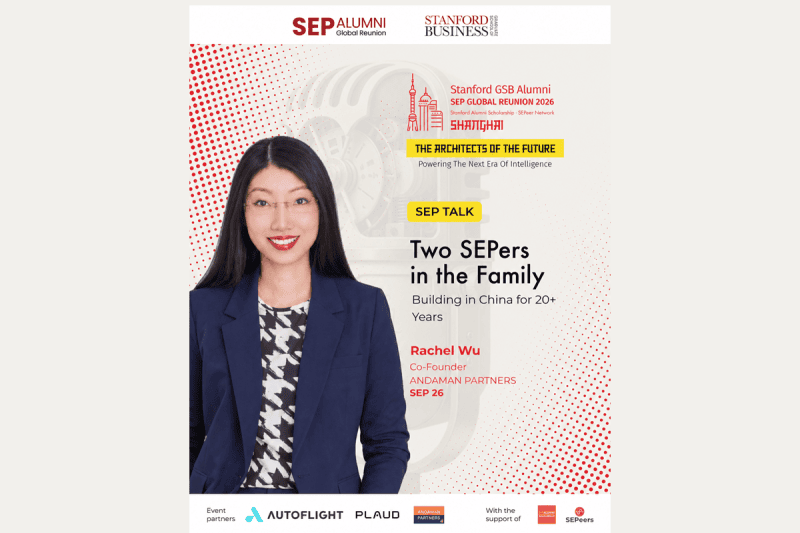
ANDAMAN PARTNERS Co-Founder Rachel Wu to Deliver Talk at SEP Global Reunion 2026 in Shanghai, China
Rachel will deliver a talk at the event entitled ‘Two SEPers in the Family – Building in China for 20+ Years’
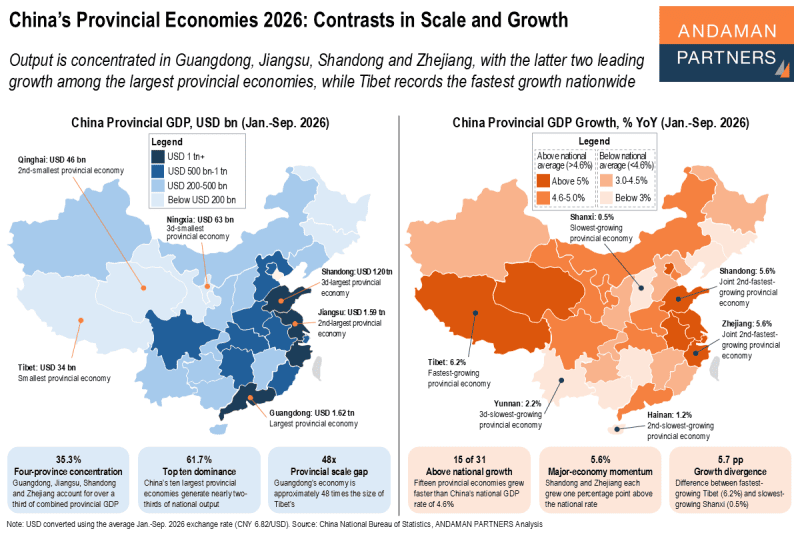
China’s Provincial Economies 2026: Contrasts in Scale and Growth
Output is concentrated in Guangdong, Jiangsu, Shandong and Zhejiang, while Tibet records the fastest growth nationwide
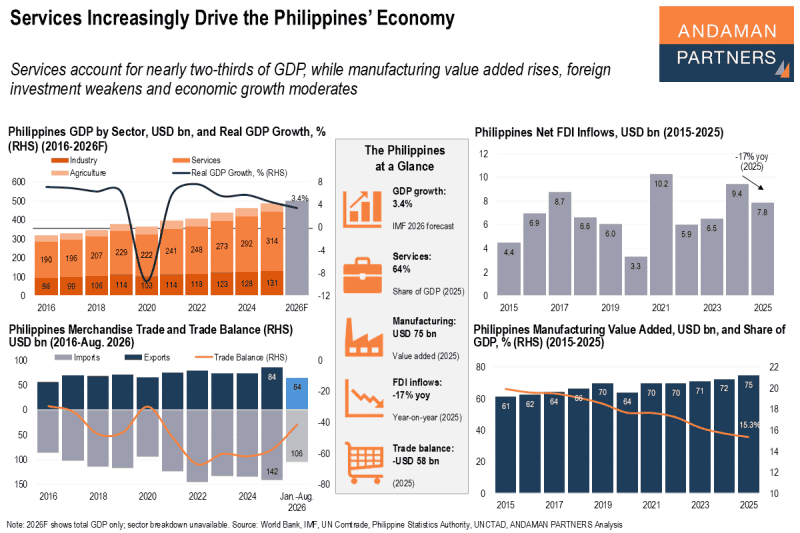
Services Increasingly Drive the Philippines’ Economy
Services account for two-thirds of GDP, while manufacturing value added rises, foreign investment weakens and growth moderates
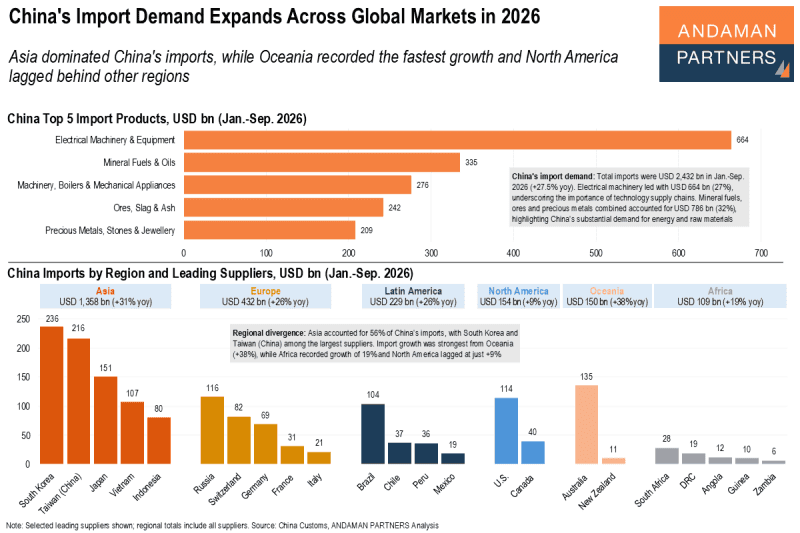
China’s Import Demand Expands Across Global Markets in 2026
Asia dominated China’s imports, while Oceania recorded the fastest growth and North America lagged behind other regions