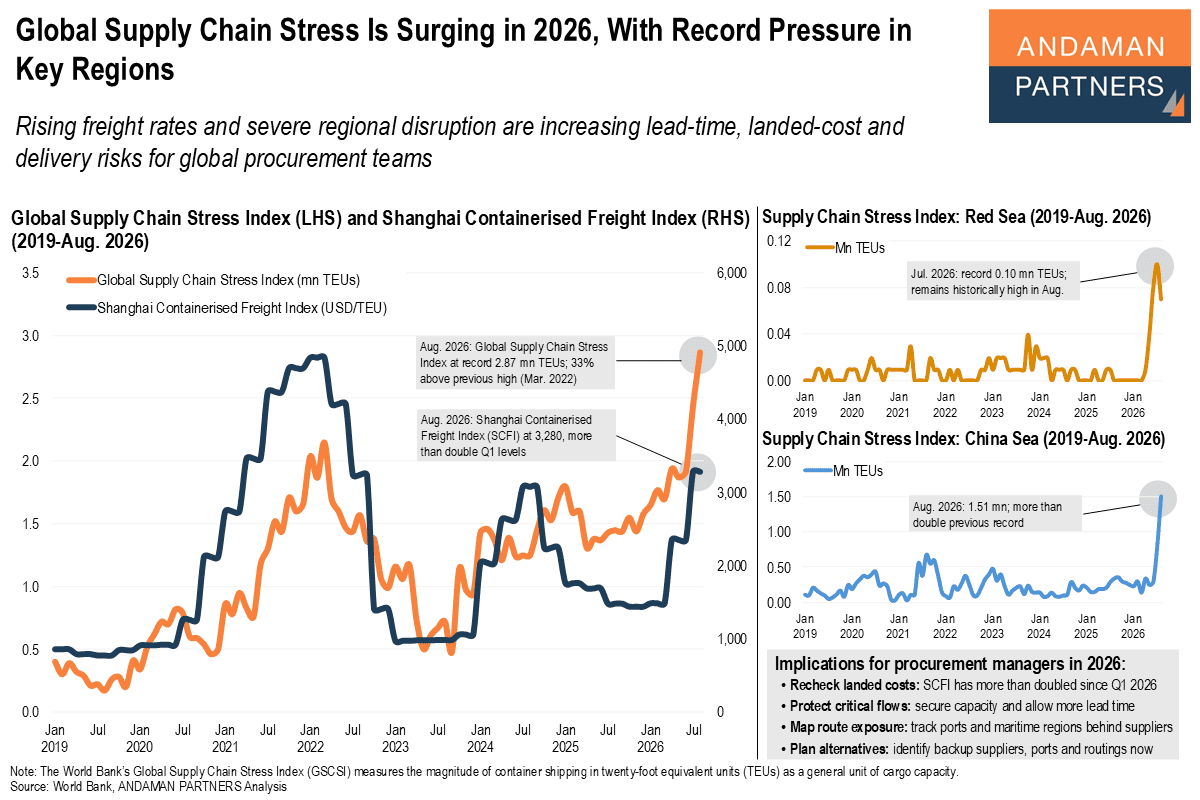
Global Supply Chain Stress Is Surging in 2026, With Record Pressure in Key Regions
Rising freight rates and severe regional disruption are increasing lead-time, landed-cost and delivery risks for global procurement teams

Rising freight rates and severe regional disruption are increasing lead-time, landed-cost and delivery risks for global procurement teams
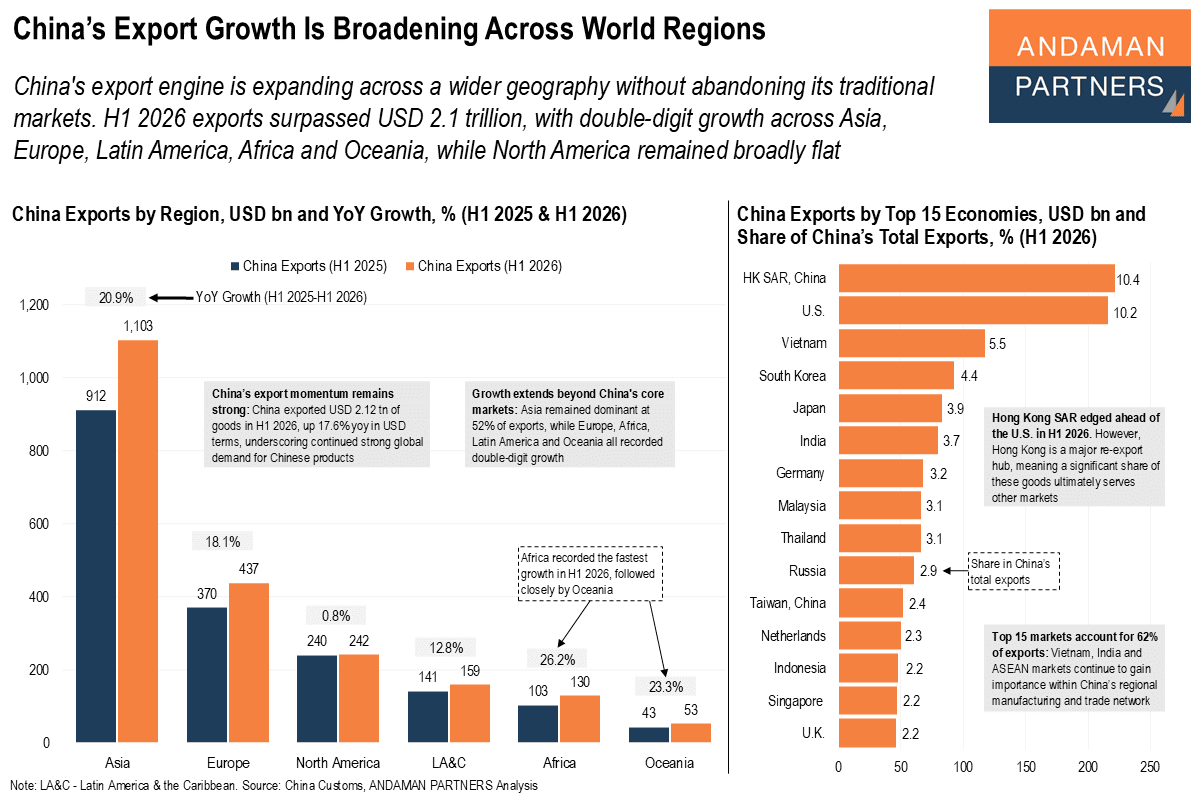
China's export engine is expanding across a wider geography without abandoning its traditional markets
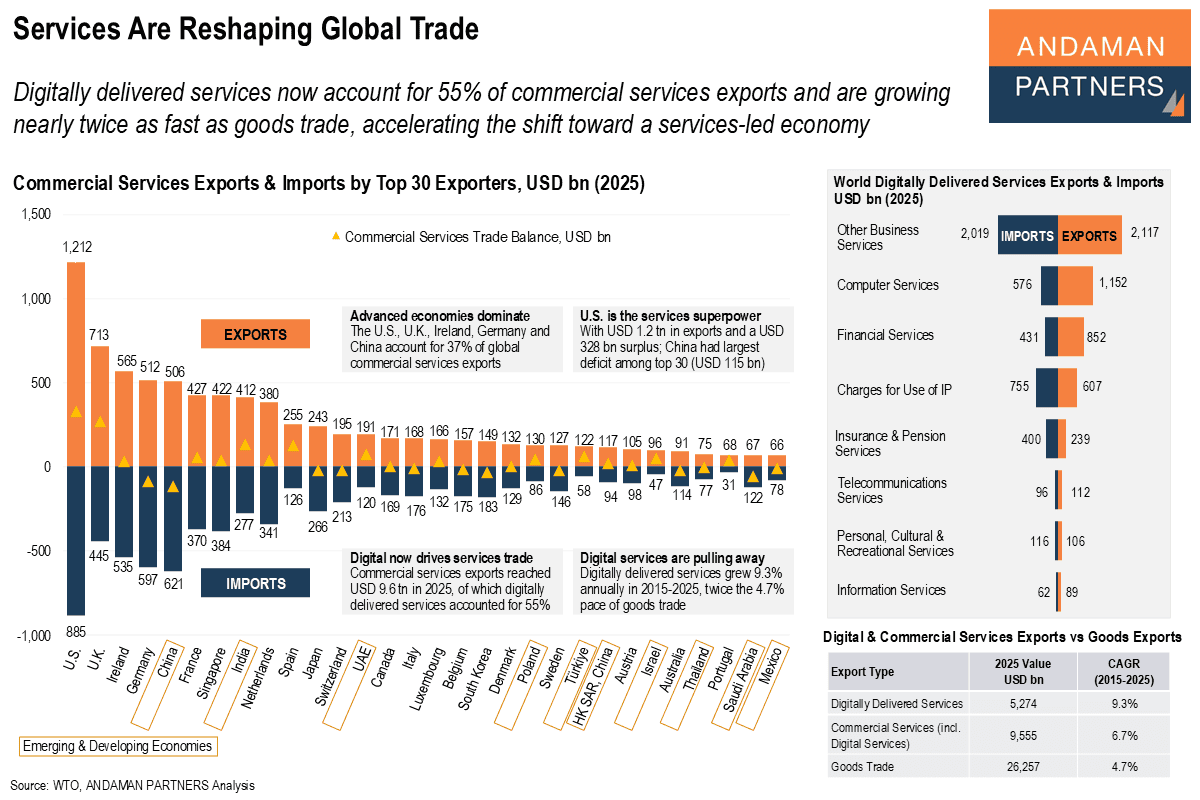
Digitally delivered services now account for 55% of commercial services exports and are growing nearly twice as fast as goods trade
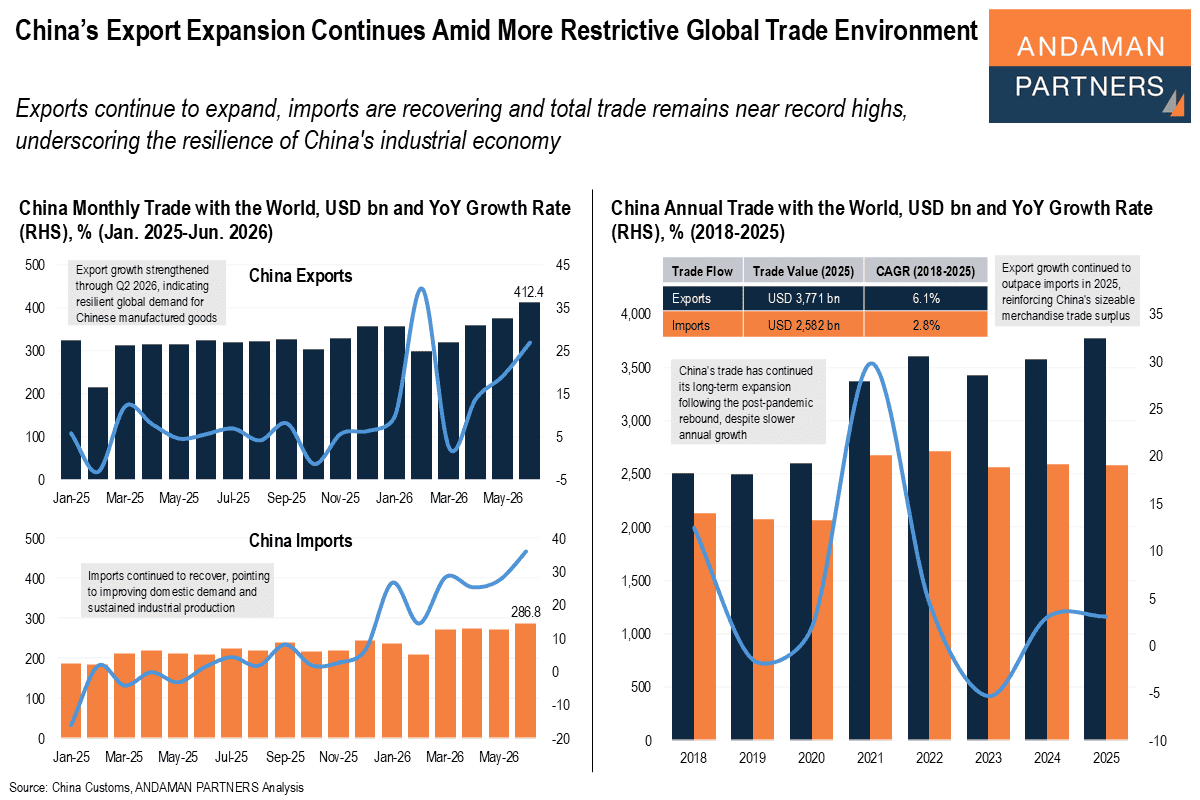
Exports continue to expand, imports are recovering and total trade remains near record highs
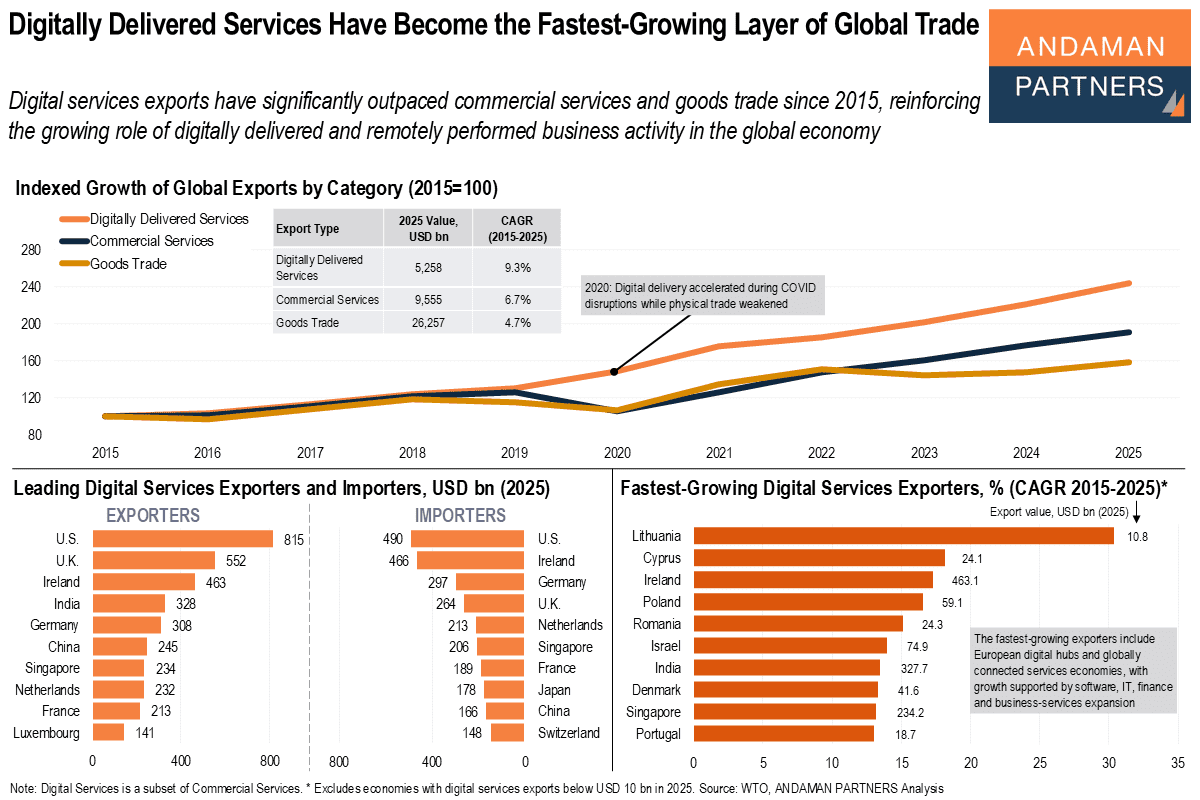
Digital services exports have significantly outpaced commercial services and goods trade since 2015.
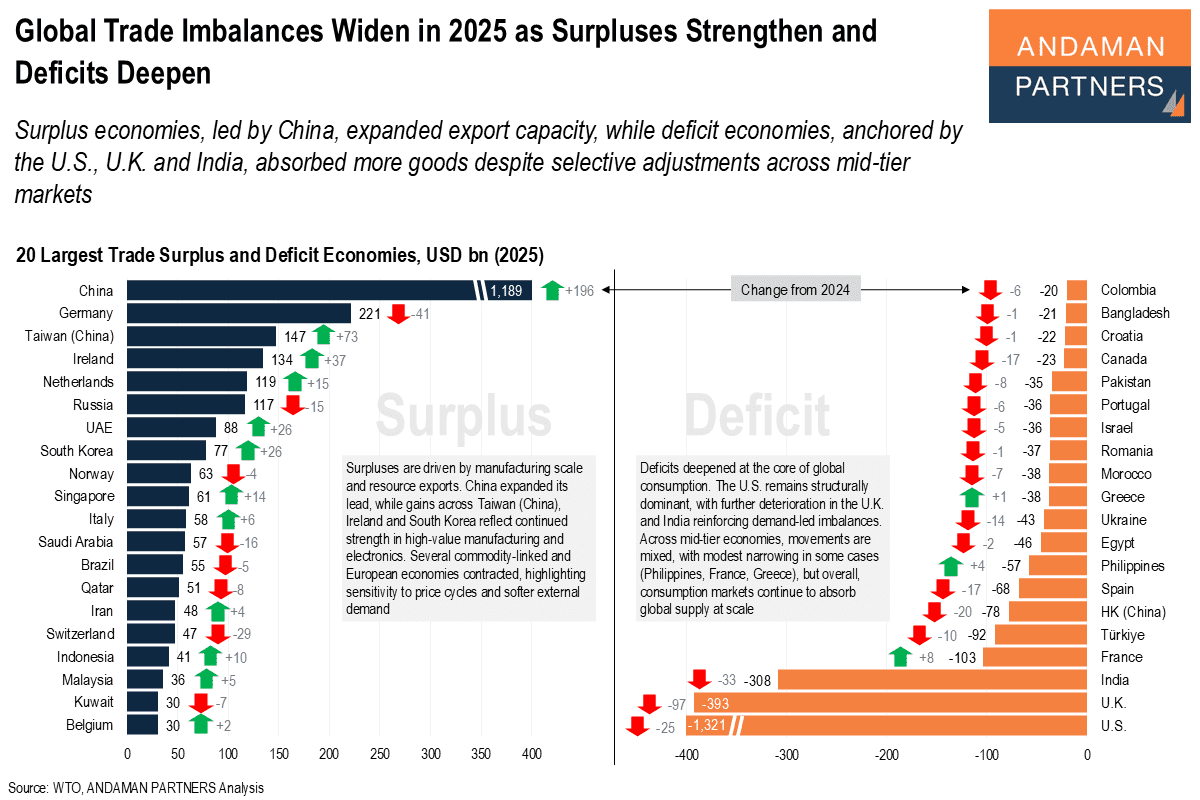
Surplus economies expanded export capacity, while deficit economies absorbed more goods despite selective adjustments across mid-tier markets.
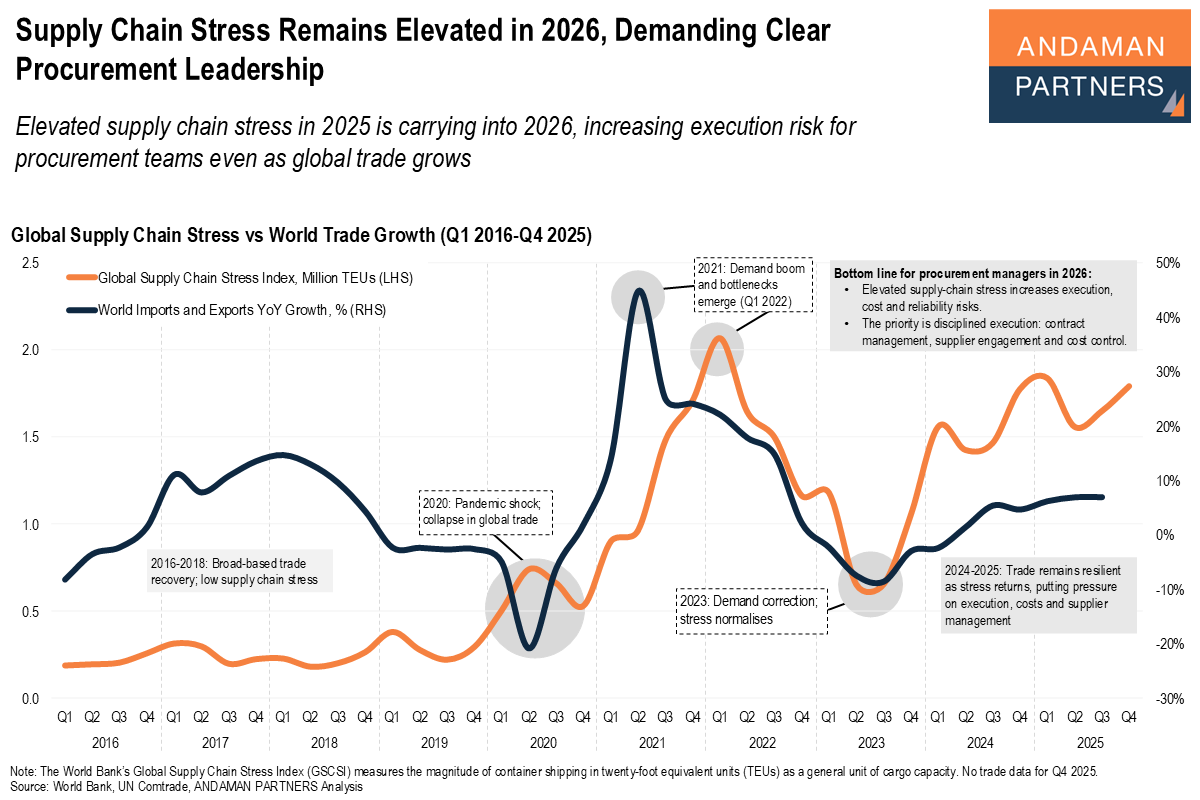
Elevated supply chain stress in 2025 is carrying into 2026, increasing execution risk for procurement teams even as global trade grows.
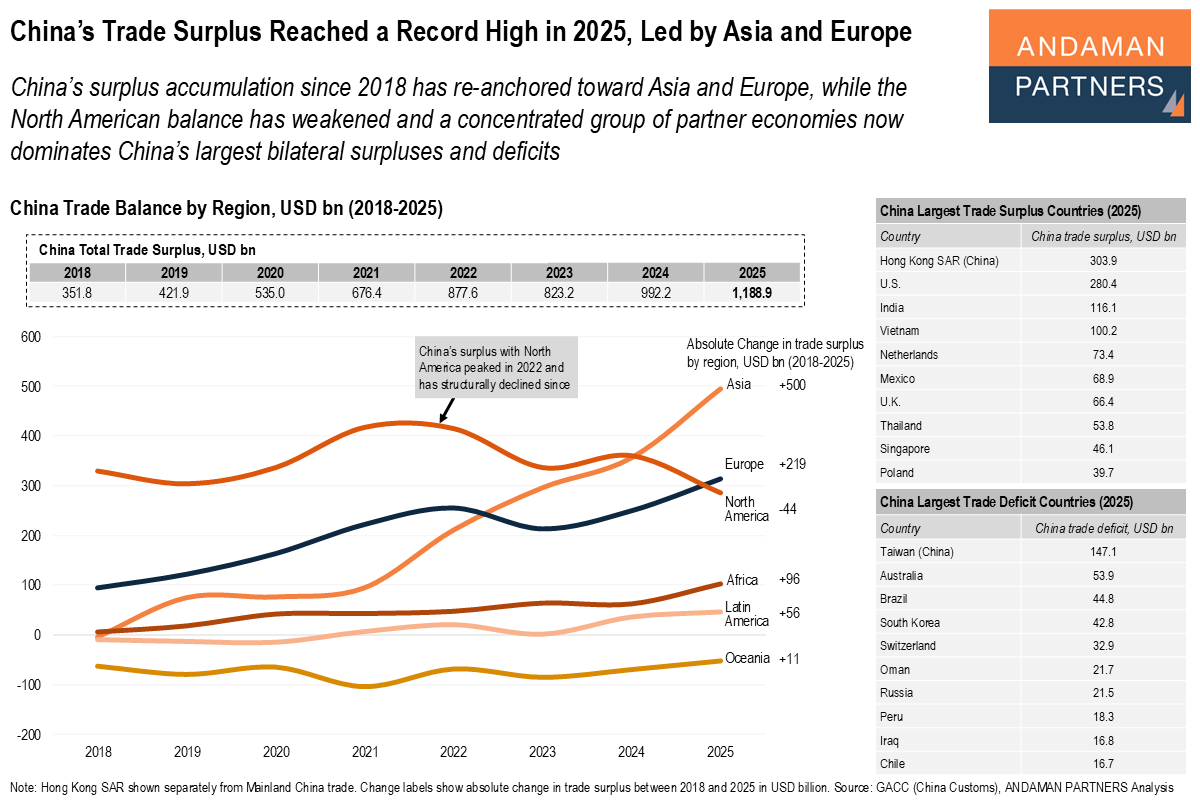
China’s surplus accumulation since 2018 has re-anchored toward Asia and Europe, while the North American balance has weakened.

Global trade is a mirror reflection of trade surplus economies supplying raw materials and goods, and trade deficit economies absorbing them to drive growth and consumption.
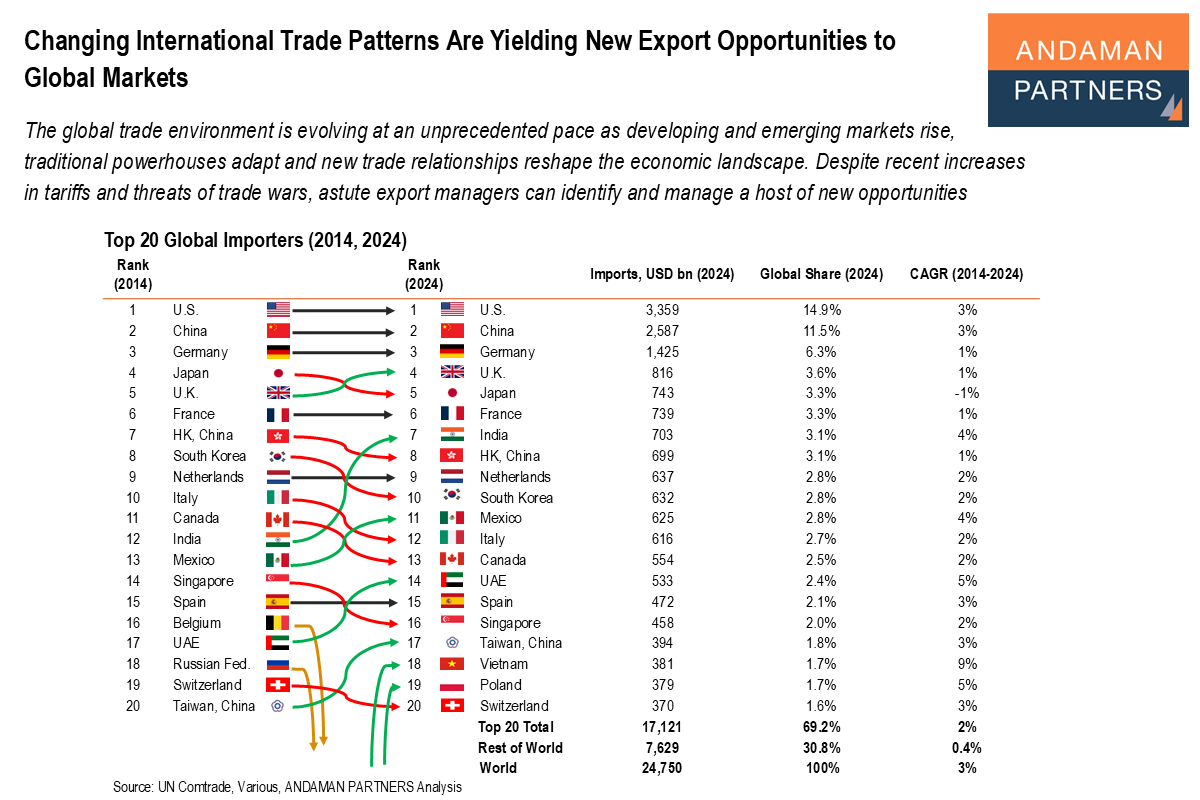
The global trade environment is evolving at an unprecedented pace. Astute export managers must identify and manage a host of new opportunities.