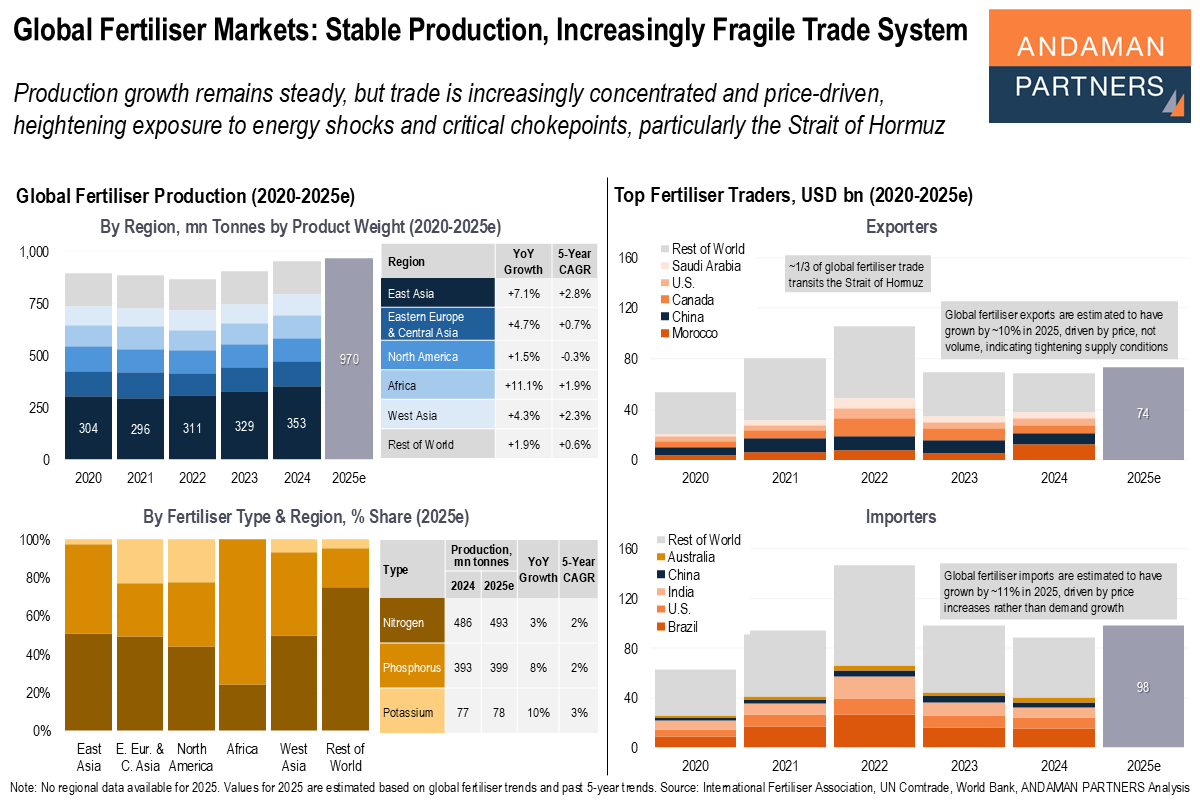
Production growth remains steady, but trade is increasingly concentrated and price-driven, heightening exposure to energy shocks and critical chokepoints, particularly the Strait of Hormuz.
Global fertiliser markets in 2025 present a deceptively stable picture on the supply side, but a far more fragile reality in trade. Production continues to expand gradually, reaching an estimated 970 million tonnes (product weight), with growth broadly distributed across Asia, Africa and other emerging regions.
However, this growth remains constrained by the energy-intensive nature of fertiliser production, particularly nitrogen, which is closely tied to natural gas, limiting the system’s ability to respond quickly to shocks. At the same time, the nutrient mix highlights structurally different risk profiles: nitrogen markets are energy-dependent, while phosphates and potash are more geographically concentrated in a handful of producers such as Morocco, Canada and Russia.
The more significant shift is visible in trade. Global fertiliser trade values are rising in 2025, but this reflects price increases rather than meaningful volume expansion, indicating tightening supply conditions. This dynamic is increasingly shaped by geopolitical exposure, most notably in the Middle East. An estimated 30-33% of the global fertiliser trade, particularly nitrogen-based products such as urea and ammonia, transits through the Strait of Hormuz, with roughly 45-50% of global urea exports originating from Middle Eastern producers. This creates a critical chokepoint in the global system.
For import-dependent markets such as India, Brazil and large parts of Africa, even partial disruptions to Hormuz-linked routes can lead to immediate price spikes, higher freight costs and supply delays. While rerouting and existing inventories can prevent a full supply collapse, the system operates with relatively low buffers, amplifying volatility.
Importantly, energy markets reinforce this fragility: any disruption affecting Gulf gas exports simultaneously raises production costs for nitrogen fertilisers. The result is a market that appears balanced at the production level but is increasingly exposed to short-term shocks, price volatility and geopolitical risk through its trade architecture.
Also by ANDAMAN PARTNERS:
ANDAMAN PARTNERS supports international business ventures and growth. We help launch global initiatives and accelerate successful expansion across borders. If your business, operations or project requires cross-border support, contact connect@andamanpartners.com.

ANDAMAN PARTNERS Wishes You a Happy and Prosperous Year of the Horse!
Compliments of the Chinese Lunar New Year to all our clients, customers, suppliers and partners.
ANDAMAN PARTNERS to Attend Investing in African Mining Indaba 2026 in Cape Town
ANDAMAN PARTNERS Co-Founders Kobus van der Wath and Rachel Wu will attend Investing in African Mining Indaba 2026 in Cape Town, South Africa.
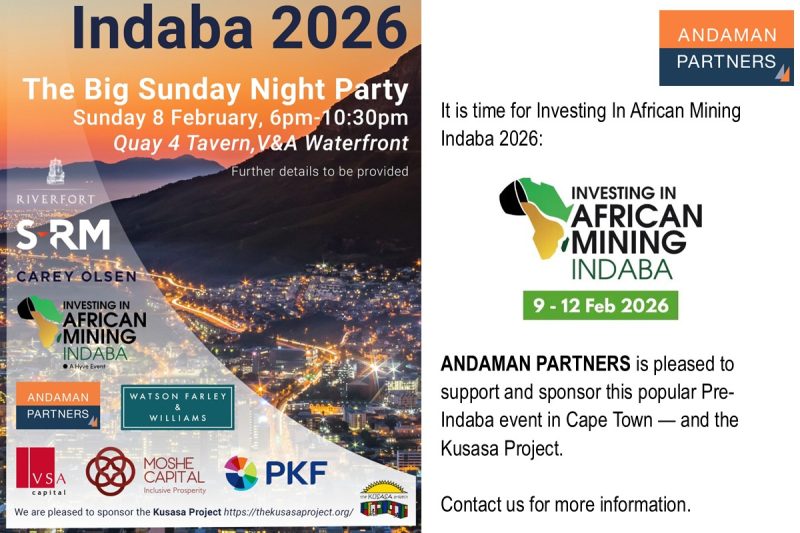
Join ANDAMAN PARTNERS at Networking Event in Cape Town Ahead of Mining Indaba 2026
ANDAMAN PARTNERS is pleased to support and sponsor this popular Pre-Indaba event in Cape Town.
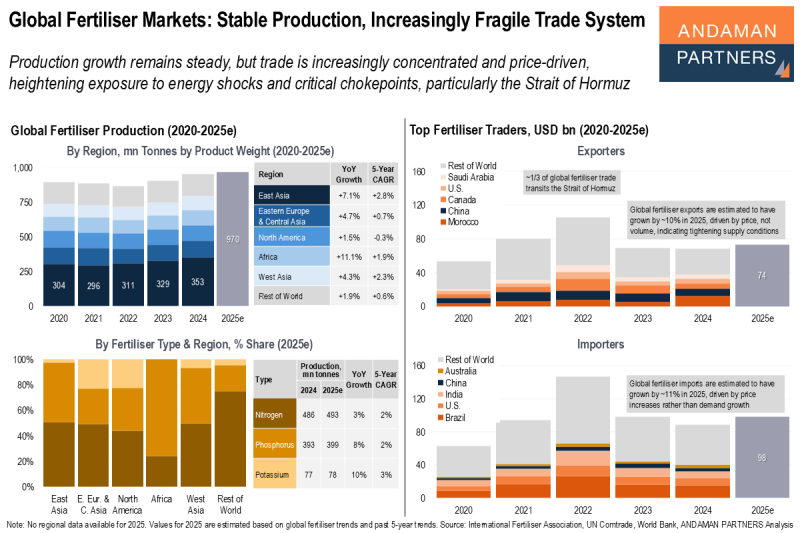
Global Fertiliser Markets: Stable Production, Increasingly Fragile Trade System
Production growth remains steady, but trade is increasingly concentrated and price-driven, heightening exposure to energy shocks and critical chokepoints.
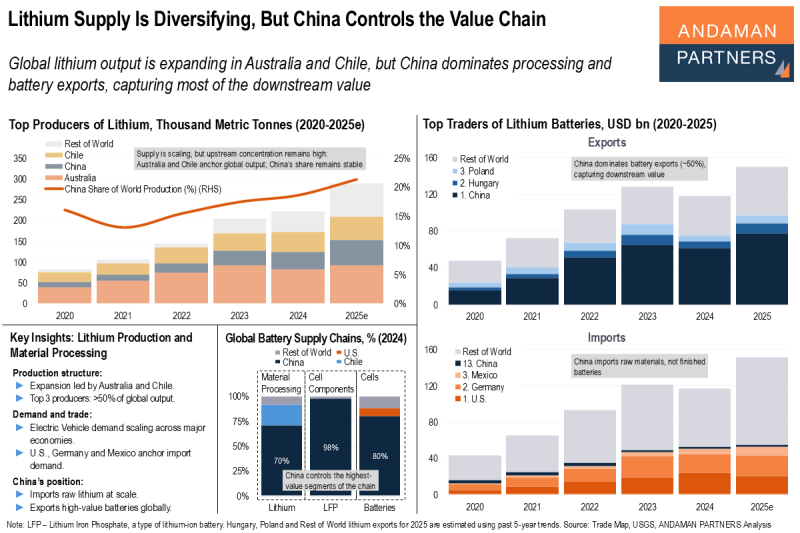
Lithium Supply Is Diversifying, But China Controls the Value Chain
Global lithium output is expanding in Australia and Chile, but China dominates processing and battery exports, capturing most of the downstream value.
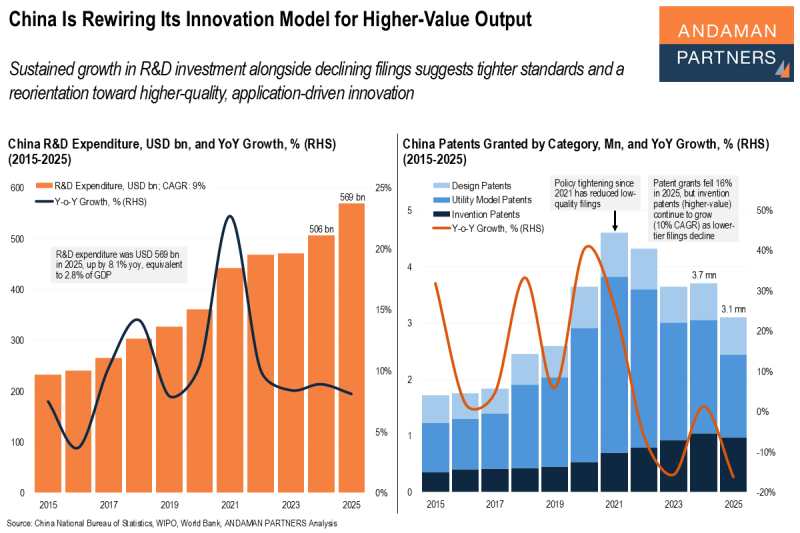
China Is Rewiring Its Innovation Model for Higher-Value Output
Sustained growth in R&D alongside declining filings suggests tighter standards and a reorientation toward higher-quality innovation.